“Beşiktaş have hired such a coach that the whole balance of the league may change.”
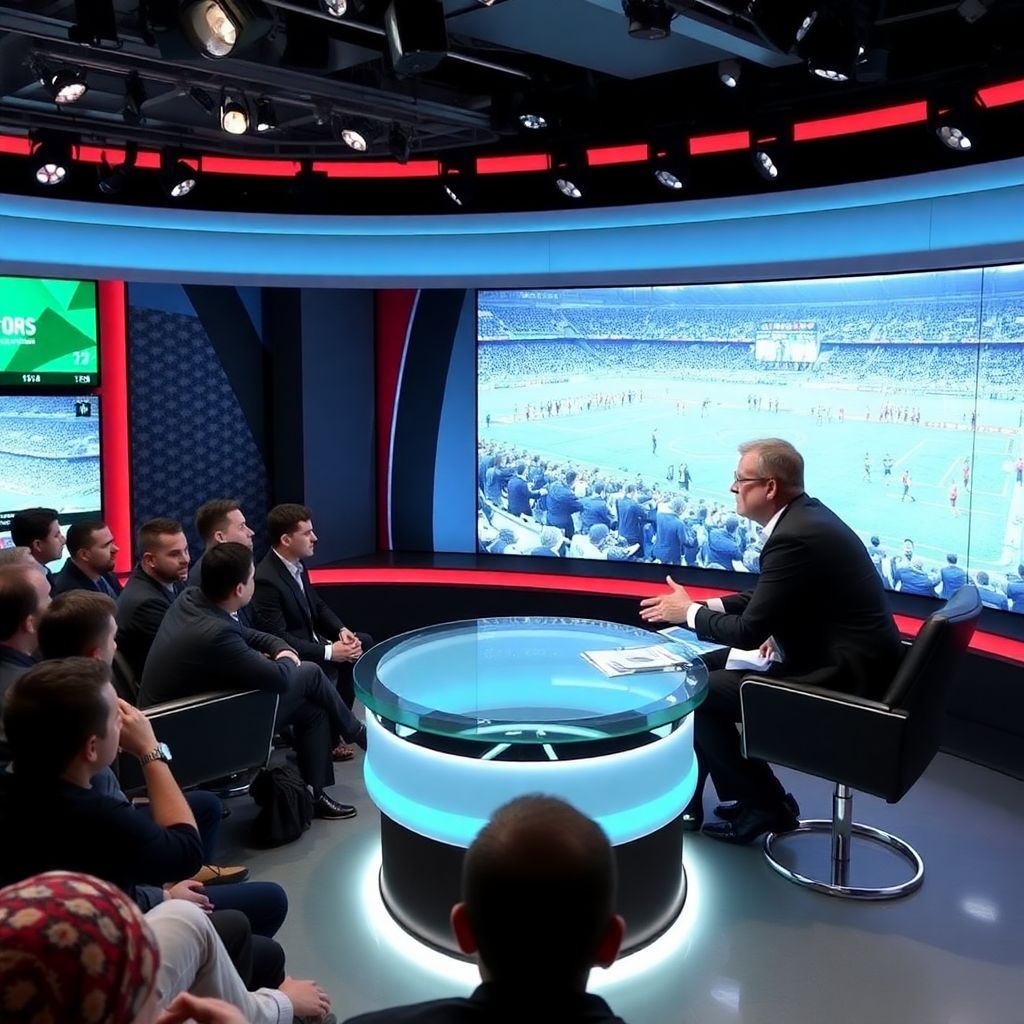
Former footballer and coach Ümit Özat used this striking sentence while evaluating Beşiktaş’s new managerial appointment, emphasizing that the black-and-whites are suddenly becoming one of the most dangerous teams in the league. Speaking on Tandem Sports, Özat underlined that the public eye might still be on Galatasaray and Fenerbahçe, but quietly, Beşiktaş are building something that could radically shake up the title race.
According to Özat, Beşiktaş’s new coach – widely associated with modern, attack-minded football and strong tactical discipline – has the potential to transform the team’s identity. He pointed out that, while the names of Galatasaray and Fenerbahçe dominate daily discussions, the real surprise package of the coming season could be the side from Dolmabahçe.
Özat stated that Beşiktaş are “currently the main candidate to become the most dangerous team in the league,” stressing that this is not just about one big-name appointment, but about a footballing project that has been carefully structured. In his view, this coach is the type who can both impose a clear game model and develop players individually, turning a good squad into a genuinely competitive unit.
He also drew attention to the work done behind the scenes. While many focus only on transfers or star names, Özat highlighted the planning and coordination that have taken place at the managerial and technical levels. He specifically mentioned the successful work of Önder Özen in shaping the football structure and preparations, arguing that this systematic approach is one of the reasons Beşiktaş could surprise everyone.
“Everyone is talking about Galatasaray and Fenerbahçe,” Özat noted, “but Beşiktaş are coming very dangerous this year.” In his analysis, the new coach brings a blend of tactical flexibility, modern training methods, and a mentality that does not accept mediocrity. This, combined with the club’s traditional fighting spirit, can turn an inconsistent side into a relentless one.
Another important point raised in the broader discussion around Beşiktaş is the club’s European ambition. With the arrival of a coach like Italiano, many argue that the black-and-whites must not limit themselves to domestic targets. The message is clear: Beşiktaş, under such a coach, should set their sights on European competitions as a realistic goal, not just a dream. Competing in Europe is seen as both a sporting and a financial necessity to restore the club’s stature on the international stage.
The expectation is that with Italiano’s game model – built on ball circulation, aggressive pressing and positional play – Beşiktaş can become a team that not only wins, but also imposes its style, especially in European matches. This kind of identity, Özat and others believe, will be key in attracting higher-profile players and increasing the value of the current squad.
Within the squad, several players are expected to benefit significantly from this change. Creative midfielders and dynamic full-backs, for example, often flourish in systems that prioritize structured build-up and movement between the lines. The new coach’s philosophy could help unlock the full potential of those who previously looked lost in a more chaotic setup. Young talents coming through the ranks might also find more opportunities, as modern coaches like Italiano tend to value development and rotation, rather than relying on a fixed group of veterans.
The reference to Orkun Kökçü “finishing the job” has fueled speculation about the type of midfield profile Beşiktaş are targeting. Whether or not that specific name materializes, the idea is clear: the club wants technically gifted, tactically intelligent players who can adapt quickly to a demanding system. A midfielder who can dictate tempo, press effectively and contribute to transitions would perfectly complement the coach’s preferred style.
From a tactical standpoint, analysts expect Beşiktaş to move toward a more compact and synchronized structure. This could mean shorter distances between lines, more coordinated pressing triggers and greater emphasis on building from the back. In previous seasons, the team often struggled with defensive organization and consistency over ninety minutes; now, with a coach famed for structure and detail, those weaknesses are expected to be addressed systematically.
The psychological aspect is just as important. Ümit Özat’s comments indirectly underline a shift in mentality. Beşiktaş, in recent years, have had periods in which they appeared resigned when facing adversity or big games. The new technical staff is expected to reintroduce a winning mindset built on accountability, tactical discipline and high internal competition. Training intensity, match preparation and in-game emotional control are all likely to be recalibrated.
While Galatasaray and Fenerbahçe remain strong on paper, investing heavily and maintaining deep squads, Beşiktaş’s advantage could lie in having a clearer football identity and a more coherent project. In modern football, raw quality is not enough; the gap can be closed with the right system, data usage, player development and an aligned technical strategy. This is precisely what observers like Özat see emerging at Beşiktaş.
For supporters, the message is both hopeful and demanding. On one hand, there is a renewed sense of excitement: a coach with a modern vision, a club structure that appears more stable, and a team that could finally play proactive, attractive football. On the other, expectations are rising; merely “competing” will no longer satisfy a fan base accustomed to trophies and European nights. Reaching European competitions, fighting for the league and showing a clear style have now become intertwined goals.
Looking at the broader picture, Beşiktaş’s move may also influence the overall tactical level of the league. When a big club commits to a coach with a strong game philosophy and backs him in the long term, it forces rivals to respond not only with transfers, but also with their own structural improvements. This can raise standards across the board, from youth development to match analysis.
In summary, Ümit Özat’s statement that “Beşiktaş have hired such a coach…” is more than a simple compliment. It reflects the belief that this appointment could mark a turning point: turning Beşiktaş into the league’s most dangerous side, reigniting their European ambitions and compelling domestic rivals to take them very seriously again. If the club continues to support this project decisively – with the right transfers, patience and internal alignment – the coming season may indeed be remembered as the moment Beşiktaş stepped back into the center of Turkish and European football conversation.