“Asıl Tehlike Konferans Ligi”: Why Beşiktaş Cannot Afford to Slip into Europe’s Toughest Trap
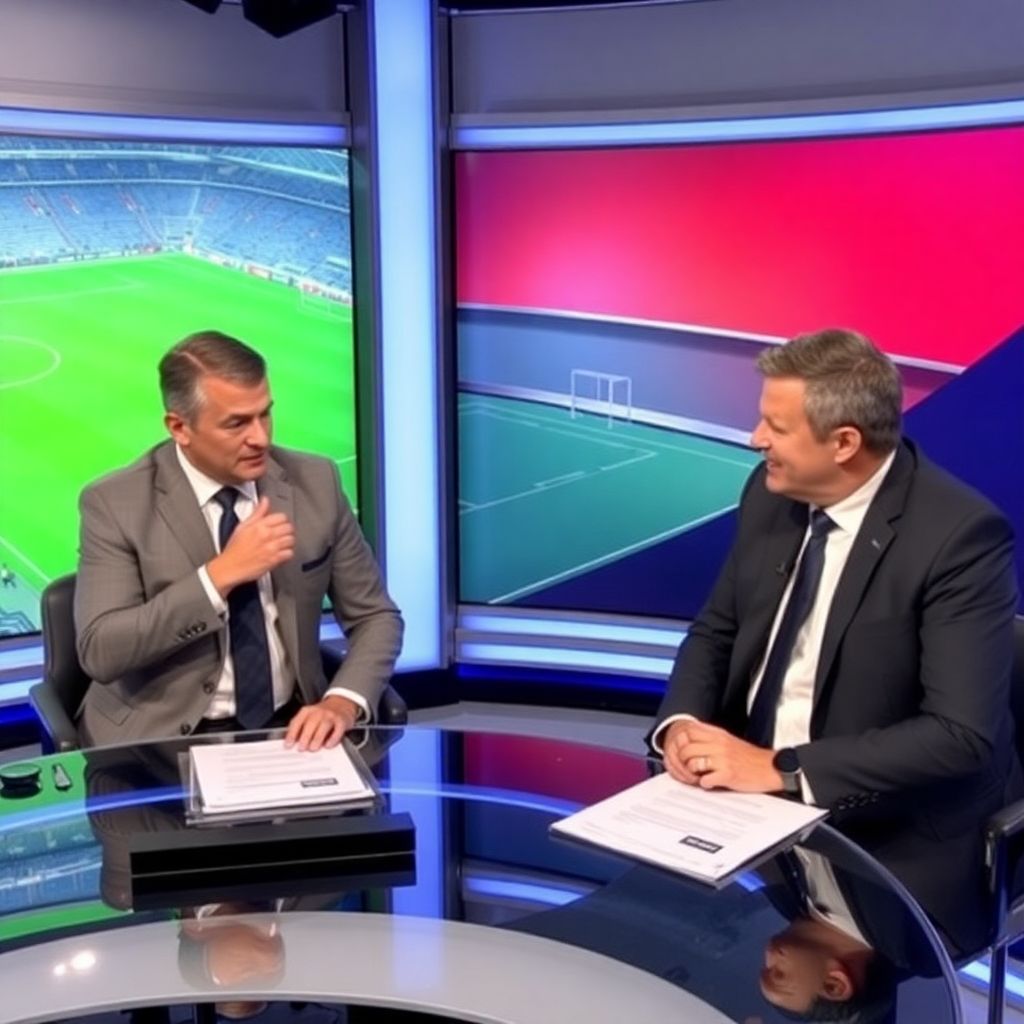
As Beşiktaş prepare for their crucial UEFA Europa League second qualifying round clash with Midtjylland, the debate around the club’s European path has intensified. On a Neospor broadcast, analysts Onur Tuğrul and Berk Göl underlined that getting past the Danish side is not just desirable, but essential for the black-and-whites’ season. According to them, the real danger is not being eliminated from the Europa League itself, but what awaits in the UEFA Conference League if that happens.
“People Don’t Realize Where the Real Danger Is”
Onur Tuğrul drew attention to what he sees as a widespread misconception among fans and observers. There is a belief in some quarters that, should Beşiktaş lose to Midtjylland and drop into the Conference League, they would become instant favourites and could even “bring the trophy home.” Tuğrul strongly disagrees with this narrative.
He stressed that the potential fall into the Conference League should not be romanticized:
According to Tuğrul, the perception that the Conference League is filled with weak opponents and that a club of Beşiktaş’s stature would stroll to the latter stages is dangerously naive. He highlighted that the so-called “third competition” has quickly evolved into a demanding arena, especially in the play-off and knockout rounds, where the quality gap compared to the Europa League is far smaller than many assume.
Conference League: No Longer a “Soft Landing”
Tuğrul’s main point is clear: the comfort zone some imagine in the Conference League does not exist. He emphasized that Beşiktaş, if eliminated by Midtjylland, would not be dropping into an easy tournament but into a competition where both the physical intensity and tactical discipline are extremely high.
He noted that the early rounds may occasionally feature lesser-known clubs, but by the time the play-off and group stages arrive, a cluster of strong, experienced European teams appear. In such an environment, there is no guarantee Beşiktaş would enjoy the status of automatic favourite. Instead, they would face opponents who are technically sharp, well-organized, and highly motivated to make a deep run in Europe.
Berk Göl: “Conference League Play-offs Could Be Harder Than the Europa League”
Berk Göl, also speaking on Neospor, reinforced this line of thought by highlighting the quality of teams likely to land in the Conference League play-offs this season. In his view, the level of competition may even surpass what some clubs encounter in the Europa League’s early stages.
He pointed out that teams such as Atalanta, Braga, Ajax and Monaco could potentially drop into the Conference League play-off round. For Beşiktaş, who would not be seeded there, this creates the possibility of an extremely tough draw. Being unseeded means having no protection from heavyweights; instead, the club could directly face these high-calibre sides in a two-legged tie.
Göl described the situation as a serious structural disadvantage. While fans might emotionally prefer “any European competition over none,” from a sporting and strategic standpoint, being forced to navigate such a hazardous play-off path in the Conference League could derail the entire European campaign before it even starts in earnest.
Why Staying in the Europa League Is the Better Scenario
From Göl’s perspective, Beşiktaş’s priority must be to clear the Midtjylland hurdle and remain on the Europa League route.
Continuing in the Europa League not only offers higher sporting prestige, but also a more predictable competitive environment. Group stage participation brings guaranteed matches, more stable revenue, and a more attractive platform for players and sponsors. Meanwhile, a Conference League play-off tie against a top-level opponent could end in a swift elimination, leaving the club with nothing but financial and psychological damage.
Göl argued that the Europa League path, with its clearer seeding system and more balanced groups, would provide Beşiktaş with a more manageable way to collect coefficient points, showcase their squad and maintain their European presence throughout the autumn. The alternative – falling into a Conference League minefield – may look like a second chance on paper, but in reality could represent a more severe test with less reward.
The Psychological Dimension: Perception vs Reality
One of the key themes emerging from both analysts’ comments is the gap between perception and reality. The term “Conference League” still sounds, to many, like a third-class competition. This label encourages the idea that traditional clubs with a rich European history, like Beşiktaş, would automatically dominate there.
Tuğrul and Göl challenge this illusion. They suggest that underestimating the Conference League could be fatal. Many of the teams that appear there are hungry, ambitious and often more settled tactically than some bigger-name clubs undergoing transitions. The risk for Beşiktaş is entering such a competition mentally unprepared, only to find themselves outworked and outsmarted by opponents who respect the tournament more than they do.
Financial and Sporting Stakes for Beşiktaş
Beyond prestige, the choice between Europa League and Conference League has direct financial and sporting implications. The Europa League still provides higher prize money, stronger broadcast revenues and greater exposure for players. This exposure influences transfer values, sponsorship agreements and the club’s overall brand power.
For a team rebuilding or trying to strengthen its squad, a good Europa League run can be a powerful bargaining chip in negotiations with potential signings. Players are more attracted to a platform where they face strong, well-known opponents. Dropping to the Conference League, especially if it ends in an early exit, reduces that appeal and may limit the club’s leverage in the transfer market.
On the sporting front, consistent participation in the Europa League also helps maintain and improve UEFA country and club coefficients. These points directly affect seeding in future seasons. For Beşiktaş, securing a stable European ranking is crucial to avoiding similarly risky play-off scenarios in the years ahead.
Tactical Demands of a Midtjylland Tie
All of this makes the Midtjylland match more than a simple qualification tie; it is a crossroads that may shape Beşiktaş’s entire season. The Danish side are known for their physical power, set-piece efficiency and data-driven approach. Underestimating them because they do not belong to one of Europe’s “big five” leagues would be a serious mistake.
Beşiktaş must approach the tie with the concentration of a knockout final. A clear game plan, defensive discipline and clinical finishing will be essential. Any complacency, any assumption that there is a “safety net” in the form of the Conference League, could prove costly. The analysts’ warnings make one thing clear: there is no easy way out if this tie goes wrong.
Managing Expectations Among Fans
The discussion around “real danger” also touches on fan expectations. Supporters naturally desire trophies, and the idea of lifting a European cup – even from a lesser competition – is emotionally attractive. However, Tuğrul and Göl implicitly argue that realism must guide these dreams.
For the fans, understanding the true level of the Conference League is important. Instead of treating elimination to that tournament as a shortcut to glory, the collective mindset should focus on doing everything possible to remain in the Europa League. A measured, long-term perspective will help reduce the shock if results do not go as hoped and will stabilize the atmosphere around the team.
Squad Depth and Rotation Challenges
Another factor often overlooked in the “Conference League is easier” narrative is squad depth. Competing on multiple fronts – domestic league, domestic cups and European fixtures – requires a roster capable of handling intense schedules.
In the Conference League scenario described by the analysts, Beşiktaş might immediately face top-level opposition in the play-off. These high-intensity matches would come early in the season, before the team is fully settled. If the club is forced to stretch a thin squad across important domestic fixtures and decisive European games, the risk of injuries and fatigue rises sharply.
Remaining in the Europa League and reaching the group phase offers a more structured calendar and a clearer rotation strategy. Coaches can plan ahead, manage minutes and prepare for specific opponents with more time. A stressful, do-or-die Conference League play-off against a powerful side like Atalanta or Ajax, on the other hand, could compress the schedule and leave little room for tactical adjustments.
Long-Term European Vision for Beşiktaş
Ultimately, the comments from Onur Tuğrul and Berk Göl highlight a broader issue: Beşiktaş must define what kind of European club it wants to be over the next decade. Sporadic participation, early exits and reliance on so-called “easier” tournaments do not align with the club’s history or ambitions.
Building a sustainable European presence means prioritizing competitions that enhance prestige, coefficients and financial stability. From this perspective, the Europa League route is not just this season’s preferable path; it is part of a larger strategy to keep Beşiktaş regularly competing at a high level in Europe.
The Midtjylland tie, then, becomes a symbolic test of that vision. Success keeps the club on track to remain among the continent’s recognized forces. Failure risks pushing Beşiktaş into a Conference League terrain that is far more hostile and complex than many imagine.
Conclusion: The Real Test Starts Before the Final Whistle
The phrase “the real danger is the Conference League” encapsulates the essence of the warnings made by Tuğrul and Göl. For Beşiktaş, the challenge is not simply to survive in Europe by any means necessary, but to choose the path that best serves the club’s status, finances and long-term goals.
Beşiktaş’s task is clear: treat Midtjylland as a decisive gate, not a warm-up. Win this tie, remain in the Europa League, and avoid the illusion that dropping into the Conference League guarantees glory. In the current European landscape, that “third” competition might well be the most unforgiving place to fall.