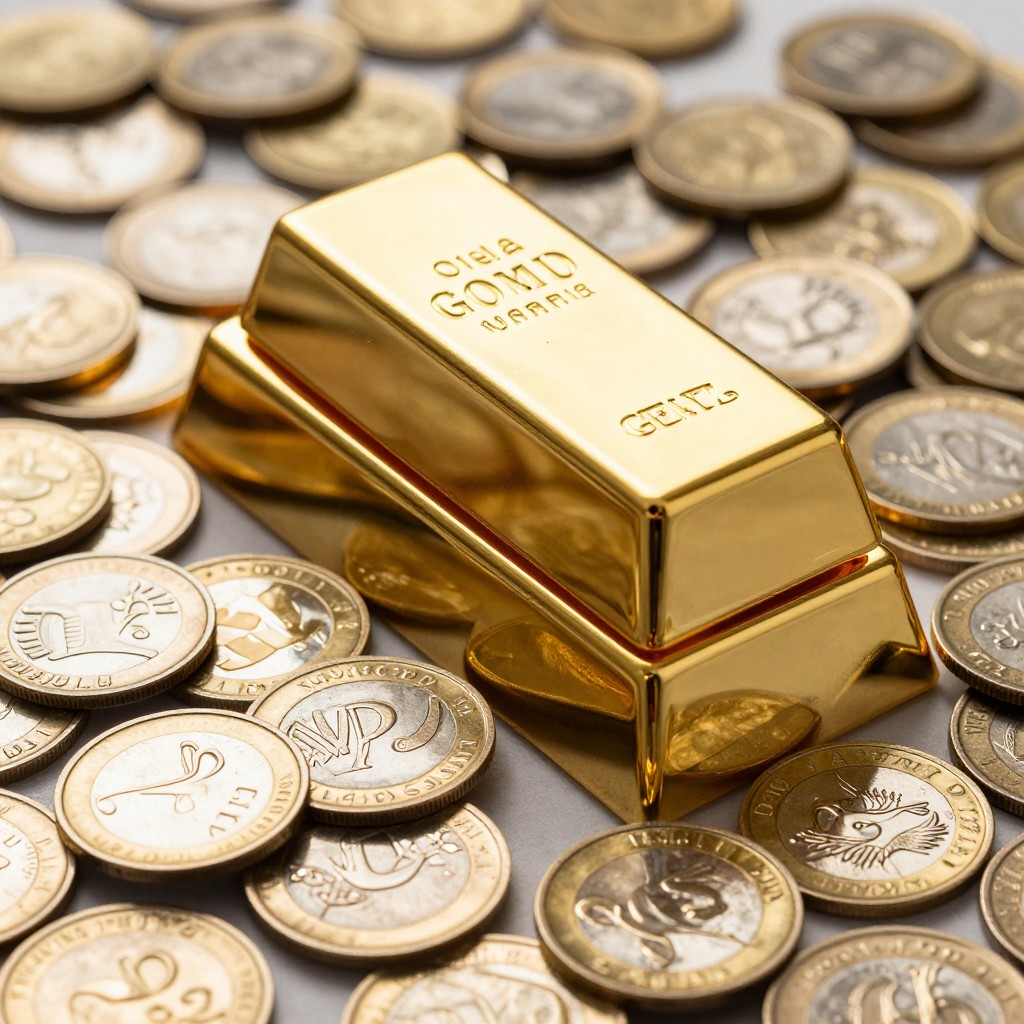
Gold Prices Retreat as Geopolitical Tensions Push Oil Higher
Gold prices opened lower, with gram gold down 0.4% to 6,572 Turkish lira at 9:20 a.m. The decline followed a weaker session on the previous day, when the gram price closed at 6,595 lira, down 0.54% from its earlier closing level.
Other domestic gold prices also came under pressure. A quarter-gold coin was selling for 10,779 lira, while a Republic gold coin was quoted at 42,917 lira. Internationally, spot gold fell 0.5% to $4,121 an ounce.
Markets were reacting to renewed tension between the United States and Iran. Although investors had seen the possibility of an agreement through mediation, reports that the United States had attacked a naval base in Iran raised concerns about a wider confrontation. The escalation also heightened worries that energy supplies could be disrupted.
Analysts said the risk of the conflict spreading further was keeping uncertainty elevated. At the same time, rising oil prices have renewed fears that inflation could accelerate around the world. Higher energy costs can feed through to transport, manufacturing and household bills, complicating the outlook for central banks and investors.
Expectations about Russian oil supplies offered a counterpoint to concerns over the Middle East. After US President Donald Trump announced exemptions from sanctions and tariffs affecting Russia, markets considered the possibility that more Russian oil and fuel could reach buyers. However, attacks on energy infrastructure and rising regional tensions continued to cloud the supply outlook.
Iran-backed Houthi forces in Yemen said they had carried out attacks on six areas in Saudi Arabia over the preceding 48 hours, using ballistic and cruise missiles as well as drones. The claims added to concerns about the security of energy routes and facilities across the region.
Against this backdrop, the price of December Brent crude approached $110 a barrel. The prospect of persistently expensive oil has increased inflation worries, while also making markets more sensitive ahead of earnings reports due from major companies this week.
Gold does not always move in the same direction as geopolitical risk. In periods of uncertainty, some investors turn to the metal as a store of value. But a stronger dollar, changes in interest-rate expectations or investors selling assets to cover losses elsewhere can weigh on gold, even when international tensions are rising.
The decline in gram gold reflects both the movement in the international ounce price and exchange-rate conditions. Since domestic prices are quoted in lira, shifts in the value of the Turkish currency can amplify or soften changes in global gold prices. The figures reported during the morning session are therefore a snapshot, not a guarantee of the price available later in the day.
Investors were also watching a busy schedule of economic releases. In Turkey, attention was on the international investment position. US data included weekly ADP private-sector employment figures and housing starts, while the euro area was due to publish its current-account balance. UK unemployment and Germany’s Producer Price Index were also on the calendar.
These indicators could influence expectations for economic growth, inflation and interest rates, all of which can affect demand for gold. For buyers considering jewellery or coins, short-term price swings may be especially relevant because retail prices can include premiums and other costs beyond the quoted market rate. Comparing prices across dealers and checking the latest figures before a purchase can help clarify the total cost.
The market’s next direction is likely to depend on how the geopolitical situation develops, whether oil prices remain elevated, and what upcoming economic data reveal. For now, gold has edged lower despite heightened uncertainty, as traders weigh demand for perceived safe-haven assets against inflation risks and broader financial-market movements.