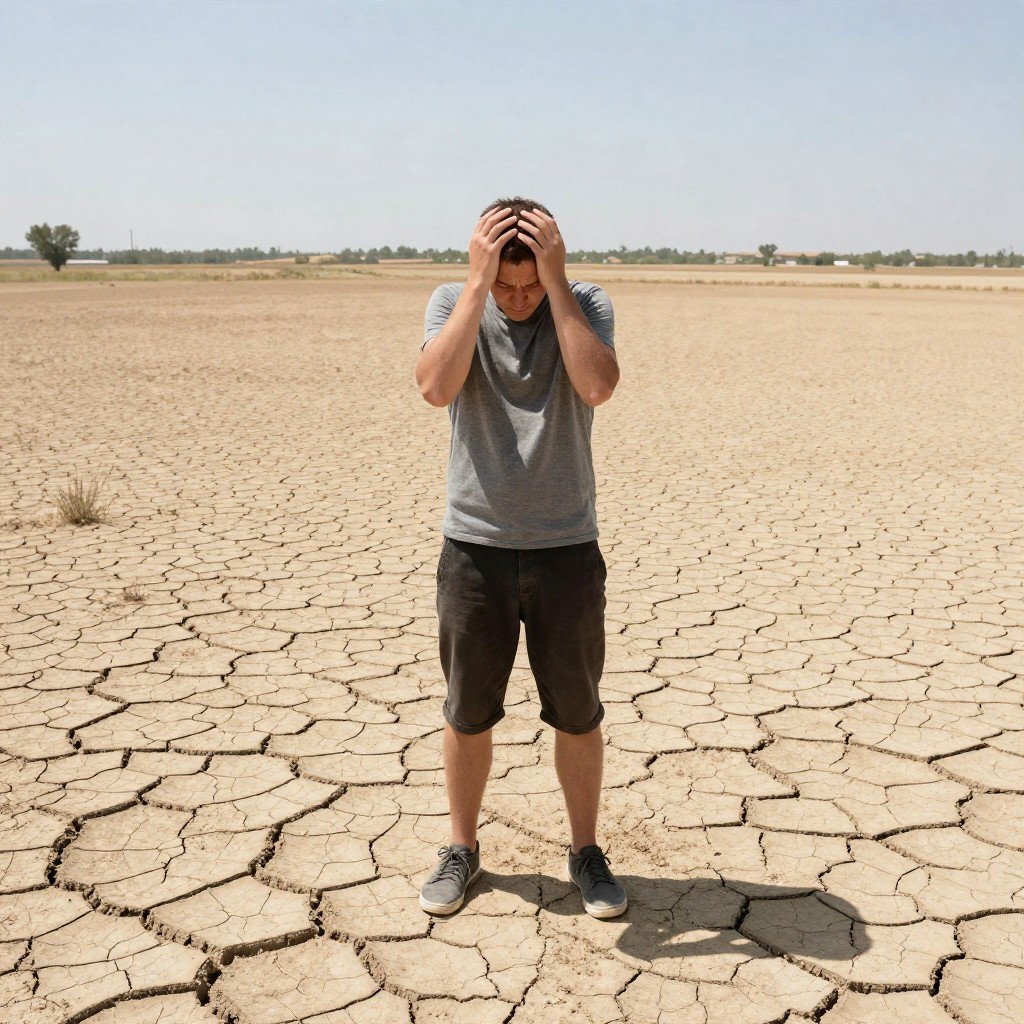
Climate Change Is Taking a Growing Toll on Human Health
A new Lancet Countdown report warns that climate-related threats to health are accelerating. Although investment in clean energy and some climate policies are already bringing health benefits, deaths linked to extreme heat, worsening drought and other climate hazards are rising faster than they did over the previous decade.
Published ahead of COP31, the 2026 report examines 54 indicators tracking the relationship between climate change and human health. It was produced by an international collaboration led by University College London, with contributions from researchers and institutions in more than 30 countries. The World Health Organization is a strategic partner.
The report finds that average annual deaths associated with heat increased by about 36% in the years following the Paris Agreement, compared with the preceding decade. In 2023 alone, extreme heat was linked to a record 710,000 deaths worldwide. More than 70% of that estimated toll was attributed to human-caused climate change.
Heat is only one part of the worsening health burden. The report also points to deteriorating drought conditions, greater exposure to extreme hydrological events and substantial economic losses associated with rising temperatures. Together, these trends can put pressure on people’s health, livelihoods and the systems they rely on.
The risks are not confined to one region or population. As Dr Diarmid Campbell-Lendrum, head of the WHO’s climate change, air quality and health unit, said, climate change is already harming health in every part of the world, and evidence indicates that many of its effects are intensifying.
The report also records progress that could help protect lives. Global investment in clean energy reached a record $2.1 trillion in 2025. Countries that have reduced air pollution from fossil fuels are estimated to prevent thousands of premature deaths each year.
Health systems are beginning to adapt as well. The report notes wider adoption of national health adaptation plans and climate-focused early-warning systems. These measures can help authorities prepare for dangerous conditions and make health services more resilient to climate-related shocks.
The authors argue that climate action should be treated as a public-health intervention. Cleaner energy can reduce harmful air pollution, while effective warnings can give people and emergency services time to prepare for heatwaves and other extreme events. Stronger health systems, in turn, can better protect communities when hazards occur.
That does not mean the existing response is keeping pace with the danger. According to the report, many climate-related harms are growing more quickly than the global response. The authors are calling for climate change to be formally recognised and addressed as a global health emergency, with health considerations incorporated into decisions on emissions reductions, adaptation and climate finance.
They identify several priorities: accelerate cuts in greenhouse-gas emissions, increase support for adaptation and expand investment in resilient health systems. Such steps can help limit future risks while delivering immediate benefits, including cleaner air and better preparation for extreme weather.
For households, the findings underline the value of practical protections during periods of extreme heat: following local warnings, reducing strenuous activity during the hottest hours and checking on people who may be especially vulnerable. These precautions cannot replace broader policy action, but they can reduce exposure to immediate dangers.
Public authorities can also use early-warning systems to communicate clear advice, prepare health facilities and coordinate support before extreme conditions peak. Reliable plans are particularly important where prolonged heat, drought or flooding could disrupt access to care, water, food or electricity.
The 2026 report brings together work by 146 researchers from more than 100 institutions across over 30 countries. Its central conclusion is that the health consequences of climate change are already visible-and, in many cases, worsening. As countries prepare for COP31, the authors say that placing health at the centre of climate policy can protect communities, strengthen resilience and save lives now as well as in the future.