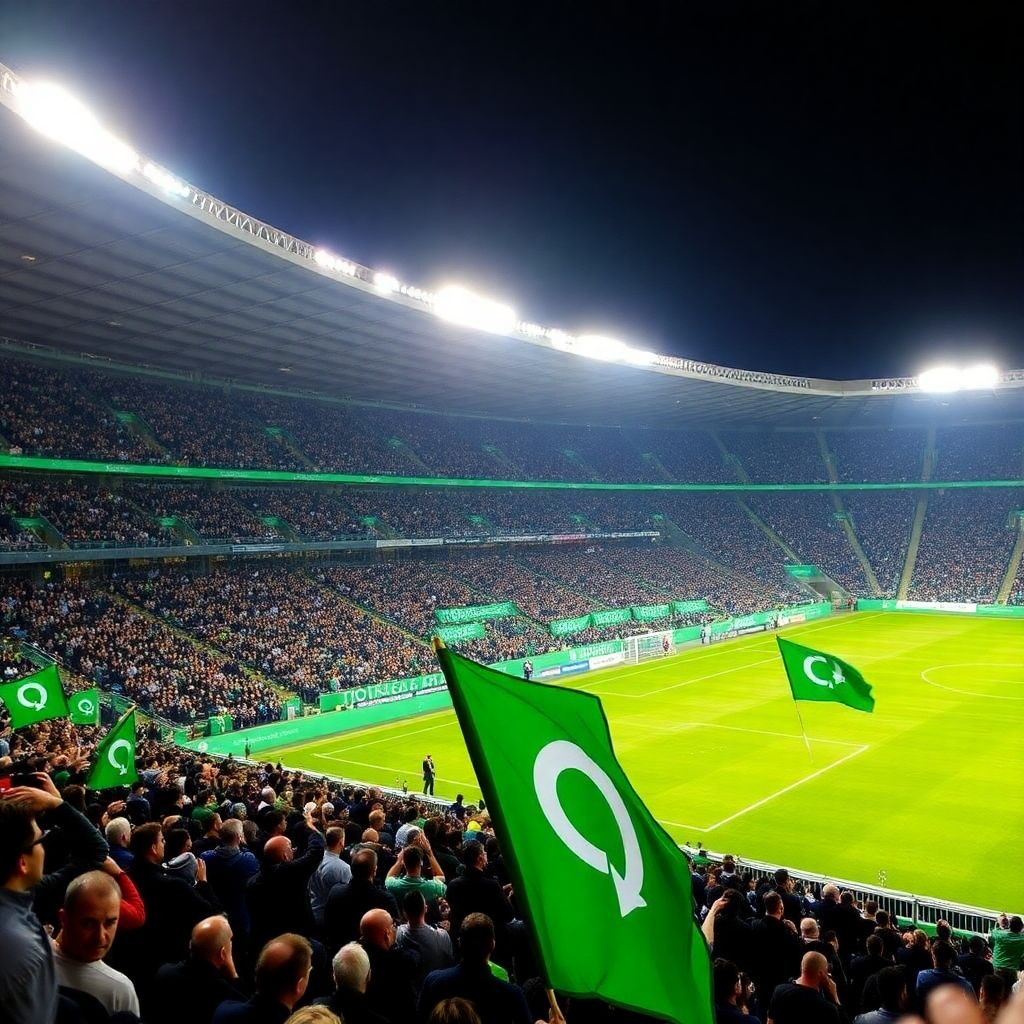
Bursaspor kick off the new season: Trendyol 1. Lig 2026-2027 starts with a bang
The curtain has officially risen on the 2026-2027 Trendyol 1. Lig season, and the opening week did not disappoint. Ten matches, 22 goals and a series of dramatic storylines set the tone for what promises to be a fiercely competitive year in Turkish football’s second tier.
Bursaspor and Bandırmaspor, both widely regarded as promotion contenders thanks to their experienced squads, signalled their intentions right from the start. While some clubs are already grappling with chemistry and adaptation issues, these two wasted no time in putting down early markers in the title race.
Bursaspor and Bandırmaspor start like title favourites
Bursaspor, with a blend of seasoned campaigners and promising youngsters, entered the season under heavy pressure to return to the top flight. Their opening performance matched those expectations: dynamic in attack, organised at the back and visibly more mature than last year. The team’s experienced core allowed them to control the tempo and manage key moments, an essential trait for any side eyeing promotion.
Bandırmaspor, another club tipped for the top, mirrored that strong start. Benefiting from continuity in key positions and a relatively stable squad, they looked tactically settled even in week one. Their veterans dictated play in midfield, while their forwards showcased the kind of clinical edge that separates promotion chasers from mid-table teams.
These early displays won’t decide the rest of the season, but they do send a clear message to the rest of the league: both Bursaspor and Bandırmaspor are fully locked in on the promotion objective.
Early warning signs for teams struggling with cohesion
In contrast, several teams clearly suffered from a lack of cohesion. New signings still finding their rhythm, tactical tweaks yet to be fully absorbed and players not on the same wavelength – all of this surfaced during the first round of fixtures.
For some coaches, the opening week already felt like a stress test rather than a celebration. Defensive errors stemming from miscommunication, disjointed pressing and slow transitions exposed squads that have not yet gelled. While it is far too early to draw definitive conclusions, the first alarm bells have been rung. The clubs that fail to solve these problems quickly may find themselves dragged into a relegation battle sooner than expected.
22 goals in 10 matches: attacking intent on display
The league’s first matchday produced 22 goals over 10 games, an average that underlines the attacking mindset with which many sides approached the new season. Rather than playing cautiously, several coaches chose to press high, commit numbers forward and take risks in possession.
Fans were treated to swinging scorelines, late equalisers and sustained pressure in the final thirds. The most striking aspect was the variety of goals: long-range efforts, well-executed set pieces, quick counter-attacks and intricate combinations around the box. If this trend continues, the 2026-2027 season could be one of the most entertaining in recent years.
Pendikspor vs Batman Petrolspor: four-goal thriller
One of the standout games of the opening week came between Orfa Yapı Pendikspor and Batman Petrolspor, ending in a 2-2 draw. The match encapsulated the chaos and excitement of an early-season contest.
Pendikspor, buoyed by their home crowd, pushed aggressively from the start, but Batman Petrolspor responded with swift counters and showed impressive resilience. Momentum swung back and forth, and both sides alternated between moments of dominance and periods of defensive panic.
The 2-2 scoreline ultimately reflected the balance of play. Both managers will have taken positives from their teams’ attacking performances, but the defensive lapses on display will undoubtedly be a focus in training ahead of the next round.
Big-club shadows: transfer noise around Fenerbahçe, Galatasaray, Beşiktaş and Trabzonspor
While the 1. Lig season got underway, the country’s giants continued to dominate the headlines with transfer stories and internal developments. The top flight’s moves inevitably cast a shadow over the second tier, influencing market dynamics and player availability.
Fenerbahçe remain central to many of these rumours. Reports continue to link them with high-profile forwards such as Endrick, with suggestions that the club is monitoring every detail of his situation. Another name repeatedly mentioned is Rafael Leão, for whom management is said to be ready to “step on the gas” if negotiations open a realistic door. Although these names are at the very top end of the market and any move would be highly complex, simply being associated with such players reflects the club’s ambition.
Romelu Lukaku’s situation has also been a major talking point. His medical reports are now understood to be on the table, allowing technical staff and executives to make a clearer assessment. The question is no longer just about quality – that is taken for granted – but also durability, fitness trajectory and how he would fit into the existing squad structure.
Fenerbahçe’s defensive puzzle and Oosterwolde’s replacement
For Fenerbahçe, it is not only about attacking superstars. Another key storyline is the gap left by Oosterwolde. His importance to the defensive line and build-up play had created a significant void, but the club appears to have moved quickly to address it. A replacement option has emerged and is reported to have effectively “taken his place,” easing fears among supporters that the backline would be weakened for the new campaign.
Despite this, Fenerbahçe have yet to bring all their targets over the line, and there is a sense that the club has not fully “returned” to the transfer market with the impact expected by many. Management faces a delicate balance between making statement signings and maintaining financial and squad stability.
Galatasaray’s tricky relationship with Roma and quiet market stance
At Galatasaray, attention has been fixed on complex dealings with Roma. Negotiations and ongoing contact between the two clubs have become a recurring theme, especially around players who could strengthen the Istanbul side’s squad. Yet, despite all this background activity, Galatasaray’s overall transfer window has been quieter than usual.
Several factors help explain this relative silence:
1. Financial discipline – The club appears determined not to repeat past mistakes that led to heavy debt, choosing more measured spending.
2. Squad stability – With a strong existing core, management may believe only targeted, high-impact additions are needed.
3. Market conditions – Prices for key targets remain high, and Galatasaray are unwilling to overpay.
4. Waiting game – The club could be adopting a strategy of moving late in the window when conditions become more favourable.
5. Internal confidence – There is a belief that the current squad can compete strongly even without major new signings.
At the same time, an eye-catching result in Europe added another layer to the narrative: a 7-1 defeat highlighted defensive fragilities and raised questions about whether the transfer-market restraint has gone too far.
Beşiktaş facing limitations and missed opportunities
Beşiktaş, meanwhile, find themselves in a complicated situation. While other clubs secure reinforcements in key areas, Beşiktaş have seen several targets slip away. One glaring example is a player who reportedly came close to joining but ultimately ended up agreeing terms with Konyaspor instead. For supporters, it was difficult to accept that a rival, not traditionally viewed as a bigger draw, could win that particular race.
Furthermore, details of an offer revealed by the agent Babaev shed light on the club’s negotiating stance. The financial package on the table was not strong enough to close the deal, feeding a perception that Beşiktaş are struggling to compete aggressively in the market. In another case, questions were raised over a proposed 15 million euro commission allegedly requested by the father of the striker Vlahović, an amount that would have blown past any sensible budget parameters. These episodes illustrate the fine line between ambition and financial realism in the current era.
Trabzonspor: between record sales and heavy debt
Amid the transfer turmoil, Trabzonspor have also been in the spotlight. The club recently broke its own sales records with a major outgoing transfer, bringing in a considerable fee and demonstrating their ability to develop and export talent at a top level.
However, the story does not end with a successful sale. Updated figures on the club’s debt show that, despite this income, Trabzonspor still face a sizeable financial burden. The new revenue provides breathing room, but does not erase long-standing obligations. The challenge now is to use the funds wisely-strengthening the squad, paying down debt and building a sustainable model.
On the pitch, many observers insist that, in the current landscape, the real challenger to the dominant forces is neither Fenerbahçe nor Beşiktaş, but Trabzonspor. The club’s mix of passionate support, strong home advantage and a coherent sporting project makes them a serious contender in both domestic competitions and the transfer market.
Salah as a financial phenomenon
Another striking narrative involves Mohamed Salah. Beyond his contribution on the pitch, Salah has become a financial engine. The transfer fee and salary that once seemed huge are now increasingly perceived as sound business decisions, thanks to his commercial impact and consistent performance.
The income generated through sponsorships, shirt sales and brand exposure has not only covered his cost but has started to produce profit. In some circles, there is talk that “Salah will make everyone rich” – a shorthand way of describing how a single world-class star can transform a club’s financial outlook. His case is now frequently cited in debates about whether marquee signings can justify their enormous price tags.
Power games and negotiations at board level
The off-pitch drama is not limited to players. In the boardrooms, negotiations and power struggles continue. A direct phone call from Galatasaray president Dursun Özbek to his Fenerbahçe counterpart, reportedly suggesting that the transfer window be extended by one more week, has added a fresh twist to the inter-club dynamics. The idea behind such a proposal would be to gain additional time to finalise key deals, though it inevitably raises questions about who stands to benefit most.
On the other side, episodes that “drove Aziz Yıldırım mad” have become part of the ongoing narrative around Fenerbahçe’s internal debates and rivalries. Disagreements over strategic direction, transfer policy and public statements all feed into an atmosphere where every decision is heavily scrutinised.
What it all means for the new season
Taken together, the explosive start to the Trendyol 1. Lig season and the turbulent transfer movements in the top flight paint a picture of a Turkish football landscape in flux.
– In the 1. Lig, Bursaspor and Bandırmaspor have announced themselves as early favourites, while clubs with adaptation issues are already under pressure.
– The 22 goals in the opening round hint at an offensive, high-tempo season to come.
– In the Süper Lig and on the broader market, heavyweight clubs juggle financial constraints with fans’ demands for big names.
– Fenerbahçe, Galatasaray, Beşiktaş and Trabzonspor all face different, but equally complex, challenges as they try to build squads capable of meeting their ambitions.
For supporters, this combination of on-pitch excitement and off-pitch drama is exactly what makes the new season so compelling. As the weeks unfold, early impressions will be tested, transfer bets will either pay off or backfire, and the balance of power in Turkish football may shift once again.