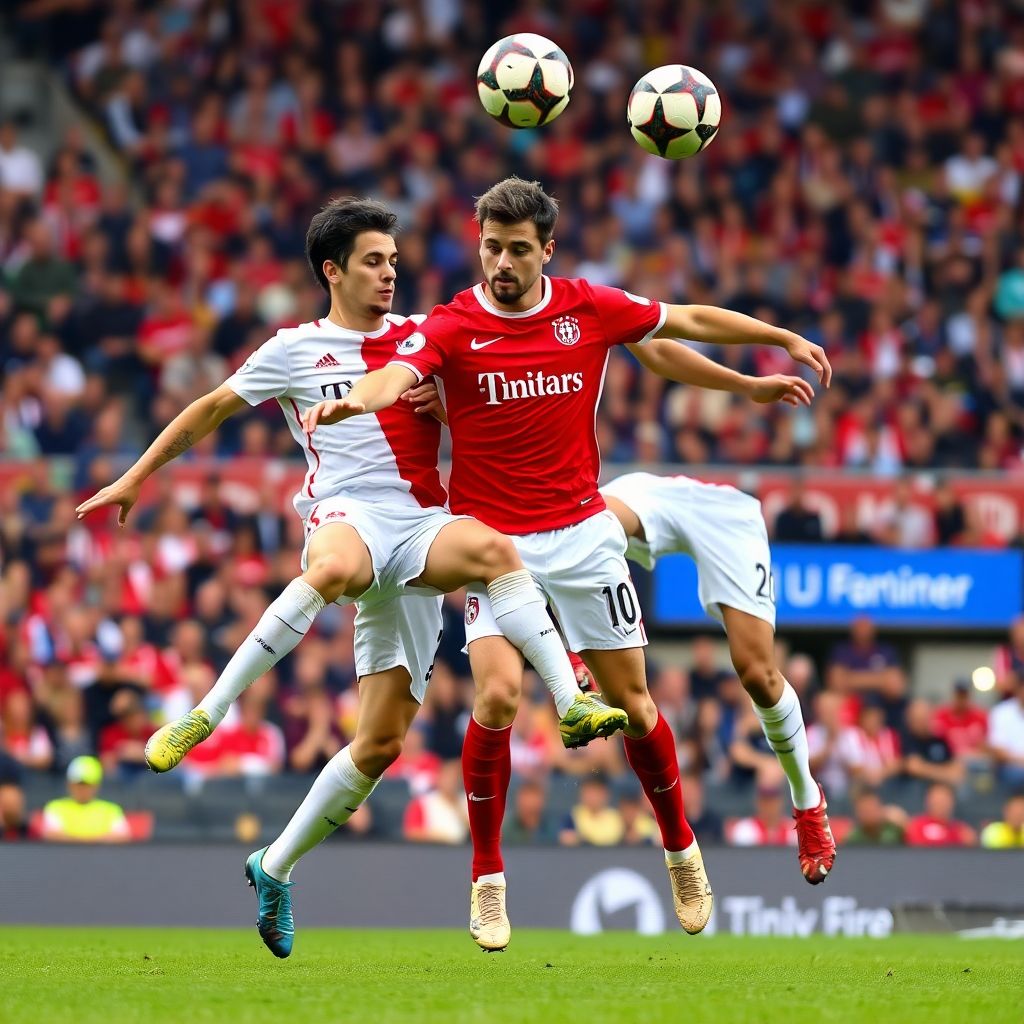
Orkun Kökçü’s former midfield partner has emerged as a serious target for Beşiktaş as the club accelerates its efforts to reinforce the center of the pitch with a high-profile signing. The black-and-whites are now strongly considering a move for Dutch midfielder Quinten Timber, who currently plays for Marseille and previously formed a highly effective partnership with Kökçü at Feyenoord.
The key connection between Timber and Beşiktaş captain Orkun Kökçü goes back to their time together in Rotterdam. Under coach Arne Slot in the 2022-2023 season, Feyenoord stormed to the Eredivisie title, and the duo were at the heart of that success. Kökçü acted as the creative leader and orchestrator in midfield, while Timber complemented him with his physicality, pressing intensity, and box-to-box energy. Their blend of qualities turned Feyenoord’s midfield into one of the most dominant units in the Dutch league that year.
At Beşiktaş, the board is now pushing the limits to reunite this partnership. Since Kökçü took on the captain’s armband and the role of primary playmaker, the club has been searching for a midfielder who can both protect him and amplify his strengths. Timber fits this profile almost perfectly: strong in duels, mobile over large distances, and tactically disciplined enough to cover for an advanced No. 8 or No. 10. It is precisely this profile that has led Beşiktaş management to “stretch the conditions” in order to bring him to Istanbul.
After Kökçü left Feyenoord for Benfica, Timber was handed the captaincy in Rotterdam, a sign of how highly he was regarded within the squad and by the technical staff. At only 25 years old, he had already shown leadership qualities, resilience, and maturity. This experience as a captain is another factor attracting Beşiktaş: the club is looking not only for talent but also for characters who can handle pressure, lead in the dressing room, and carry responsibility in high-stakes games.
Timber made the move to Marseille in the 2026 winter transfer window. Since joining the French side, he has featured in 16 official matches across all competitions, starting 15 of them. Despite earning the trust of the coaching staff in terms of playing time and starting XI status, his statistical output has yet to explode: he finished that spell without a goal or an assist. The player, however, has been clear about his intention to turn things around and be more decisive in the final third during the upcoming season.
Speaking about his time in France and his future, Timber underlined that he felt appreciated when he first arrived at Marseille. He emphasized that coach Bruno Genesio has given the players a clear tactical framework but also the freedom to express themselves within it. Timber openly stated that he aims to increase his goal and assist numbers, recognizing that modern midfielders are often judged by their direct contributions to the scoreboard.
In the same interview, he mentioned Ethan Nwaneri, who joined Marseille with him and is now on Galatasaray’s radar, as well as Mason Greenwood, who is currently at Fenerbahçe and recently scored a spectacular goal. Timber noted that he had good relationships with both players and that he follows the careers of his former teammates, just as he did when he was at Feyenoord. At the same time, his comments about constant squad changes and being used to seeing teammates leave have been interpreted as subtle signals that he himself might be open to a new chapter.
Although Timber is under contract with Marseille until 2030, the possibility of an exit is very real. The French club is believed to be willing to listen to “attractive” offers for the Dutch midfielder. Alongside Beşiktaş, Portuguese giants Porto are also watching the situation closely and have been linked with a potential move. For Beşiktaş, this means competition not only on the sporting front but also financially, as Porto traditionally offers a strong pathway for players aiming at Europe’s top five leagues.
Within Beşiktaş, preparations for this transfer are said to be intense. The club is ready to deploy every possible financial and sporting argument: the chance to be a key starter, the opportunity to compete for the league title and European football, and, crucially, the prospect of reuniting with Orkun Kökçü in a system where their chemistry has already been proven. For a player in his mid-twenties seeking both stability and a central role, this package could be highly appealing.
From a tactical standpoint, Quinten Timber’s arrival would significantly alter the dynamics of Beşiktaş’s midfield. He can operate as a box-to-box No. 8, a deeper-lying midfielder responsible for breaking up play, or even as a hybrid between a holding and attacking midfielder. His presence would allow Kökçü to move into more advanced zones without constantly worrying about defensive cover. Beşiktaş could then line up in a 4-3-3 with Timber as the engine, Kökçü as the creative hub, and a more defensive-minded No. 6 screening the back line, or in a 4-2-3-1 where Timber and Kökçü form a double pivot with complementary roles.
The Turkish league’s physical nature and high tempo might actually suit Timber’s strengths better than Ligue 1, where Marseille often demands more controlled possession and measured buildup. In the Süper Lig, his ability to win duels, transition quickly from defense to attack, and cover large areas of the pitch could make him one of the standout midfielders in the competition. Moreover, his previous success in a high-intensity pressing system at Feyenoord matches the direction many top clubs are taking with their tactical setups.
The psychological aspect of a potential move should not be underestimated either. Returning to play alongside a familiar partner like Kökçü might help Timber recover his confidence after a statistically modest start in France. Players often highlight how existing on-field relationships make adaptation smoother in a new country and new league. Beşiktaş could benefit from this by immediately fielding a duo that already understands each other’s movements, preferences, and timing.
Financially, a deal of this magnitude would likely require Beşiktaş to make a substantial investment, possibly involving structured payments or performance-related bonuses. However, the club’s leadership appears prepared to “go all in” within their limits, viewing Timber as a medium-term project rather than a short-term fix. At 25, he still has resale value, and a successful spell in Istanbul could open doors for a future transfer at a profit, which is increasingly important in modern football’s economic realities.
Competition from Porto could drive up both the transfer fee and the player’s wage demands, so Beşiktaş may lean heavily on the sporting project and personal factors. The presence of Kökçü as captain, the prospect of being a centerpiece rather than a rotation player, and the visibility of playing for one of Turkey’s biggest clubs in front of a passionate fan base are among the main selling points. The club is expected to present Timber with a clear role and long-term vision, something he has publicly said he values.
If Beşiktaş manage to secure his signature, it would send a strong message about their ambitions for the coming seasons. Pairing Kökçü with his old partner from Feyenoord would not just be a nostalgic move; it would be a deliberate attempt to rebuild a midfield axis that already has a proven track record of delivering trophies. For a team aiming to return to the top of the Süper Lig and make an impact in Europe, adding a player of Timber’s profile and experience could be a decisive step.
For now, Timber remains under contract with Marseille until 2030, but all indications suggest that his future is far from settled. With Porto and Beşiktaş both working behind the scenes and Marseille seemingly open to negotiating for the right price, the coming weeks could be crucial. Should Beşiktaş succeed, the club would not only sign a powerful and versatile midfielder, but also reunite a partnership that once dominated the Dutch league-and hopes to do the same in Turkey.