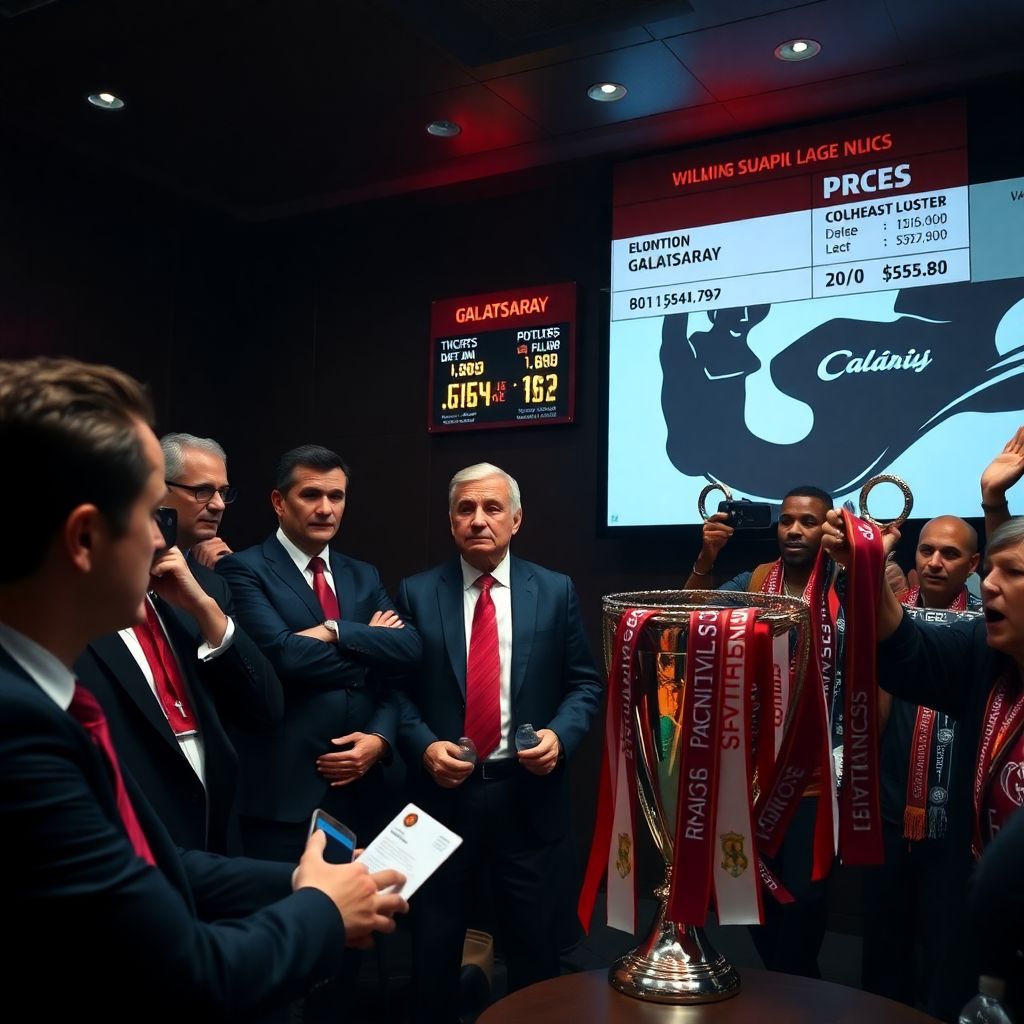
“Did we win the title or something? What are these ticket prices supposed to be?”
Mr. President, members of the board,
Whether you want to admit it or not, for four consecutive seasons we have been reduced to watching Galatasaray lift the league trophy. Sometimes with obvious outside support, sometimes with their own momentum, but always from a distance. On top of that, we have failed to finish in the top three for the last two years. Even in the Turkish Cup, where both Fenerbahçe and Galatasaray were eliminated early, we still managed to crash out at home to weaker opponents.
In Europe, the situation has been even more embarrassing: we have struggled against modest, small-town teams, failing to build any serious presence or reputation on the continental stage. This is the sporting reality.
So with this background of underachievement, with pre-season camp about to start and not even a single transfer finalized, how can anyone justify these season ticket prices? These numbers demand a serious reconsideration. They are out of step with both our results and the economic reality our supporters live in.
You seem unaware that over time the crowd inside our stadium has been transformed. Real supporters are gradually being replaced by “customers,” and the arena itself is turning into nothing more than a weekend entertainment spot. The club identity, the sense of belonging, the football culture that once made this stadium a fortress are being eroded in favor of a more sterile, corporate atmosphere.
At the very least, the lower section of the main stand should be priced within reach of the most passionate supporter groups. It is not easy to create intense pressure from the upper tier. In fact, the upper tier offers a better viewing experience and easier access in and out of the stadium. If anything, that area can be positioned as a more premium zone, while the lower tier – which is harder to access and physically closer to the pitch – must be made affordable for the core fan base.
If you do that, opponents will once again feel the full weight of a roaring Beşiktaş crowd. The kind of noise and pressure that shakes legs, disrupts concentration and turns a regular league match into a nightmare visit. Home advantage is not about LED boards and luxury boxes; it is about the people in the stands and how close, loud and relentless they are.
For the last two years, the difference between the Serdal Adalı we see and the Serdal Adalı we expected has been enormous. In the past, with the financial backing he received from Yıldırım Demirören, there were bold, effective transfers that genuinely improved the squad. Now, supporters are expecting that same level of determination and ambition in the transfer market, not vague promises and last-minute patchwork deals.
One fundamental truth must be understood: the true owner of Beşiktaş is not the president, nor the board, nor any individual benefactor. The real owner is the Beşiktaş supporter. The biggest lesson the president should have taken from the “Resign” chants raining down from the stands is precisely this. When the terraces speak, they are voicing the will of the club’s true shareholders.
This fan base is capable of chanting “Resign” when they see incompetence and failure, but the very same supporters will also give unconditional support, admiration and love when they see star signings and a squad built to fight for the title. However, they have a very low tolerance for repeated failure. Beşiktaş supporters do not show up just for a show; they come for success in football. Their loyalty is not to individuals, but to the shirt and the crest. In Beşiktaş culture, names come and go; the club stands above everyone.
In that sense, appointing Önder Özen was one of the rare correct decisions made recently by the president. His work ethic and his genuine passion for football are, at least for this season, one of the few reasons to feel a cautious optimism. He understands the game, he follows modern trends, and he lives the sport day and night. That is a valuable asset in a club whose sporting decisions have too often been improvised.
The second positive step was the choice of head coach. A coach who values pressing high, who wants the team to defend and attack in the opponent’s half, who aims to play entertaining, proactive football – that is the type of profile that can both result in points and bring supporters back emotionally. A coach who is not afraid of risk, who wants to dominate rather than react, fits the identity this club should have.
Our new manager is known for using all his substitution rights in almost every match. He is proactive, constantly trying to influence the game from the touchline, and not someone who passively accepts whatever happens on the pitch. But even the best tactician cannot perform miracles with a squad that is incomplete and unbalanced. With the current group, his job is close to impossible. The areas needing reinforcement are obvious, and the players signed in those spots must be of genuine star quality, not just “could be useful” filler.
We now have to put serious effort into offloading those who were signed merely because “they might be useful” and have ultimately contributed little or nothing. Only by freeing up salary space and squad spots can we bring in players who truly raise the team’s level. This requires courage, clear planning and the willingness to admit past mistakes.
The president must look carefully at the errors made in recent squad planning and learn from them. From now on, proper squad engineering is not a luxury; it is a necessity. Each transfer window must be approached with a long-term vision, not panic signings based on the mood of the day or the recommendations of agents who see the club as an easy target.
Ask any casual football follower on the street and they will tell you the same basic truth: “You need a reliable scorer up front and a reliable keeper at the back.” Galatasaray built their squad around this reality and, with some extra help along the way, managed to secure the title four seasons in a row. They did not leave the most decisive positions to chance.
We need two proven centre-forwards. Not experiments, not “maybe he’ll develop,” but forwards who have already shown they can deliver goals at a high level. We also need a top-level goalkeeper. The league is a long marathon, full of injuries, suspensions and dips in form. In every position, we need quality alternatives who are close to first-eleven level, capable of stepping in without a noticeable drop in performance. Depth wins titles as much as stars do.
Since Quaresma left, we have never truly replaced him with a winger of comparable quality. We still have not managed to bring in a player who can break games open from the flank, beat his man one-on-one, and change the rhythm. We urgently need high-calibre players on both the right and left wing. Modern football demands fast, creative wide men who can both score and assist; without them, our attack becomes predictable and easy to defend.
The goal must be to build a squad that finally breaks the cycle we have been stuck in for years. We cannot afford to watch the same movie again and again: Galatasaray taking the title, filling their stadium and driving up their attendance figures, while we remain a club that complains, justifies and points fingers at others. The narrative must be rewritten on the pitch, not in press conferences.
At this point, ticket pricing becomes more than just a financial decision; it is a strategic choice about what kind of club we want to be. Do we want a stadium full of passive spectators who treat the match like going to a shopping mall, or do we want a living, breathing football temple where the crowd directly affects the game? High prices may increase short-term revenue, but they risk hollowing out the very identity that makes Beşiktaş unique.
A healthy model finds balance: certain sections can be priced more aggressively for corporate guests and higher-income fans, while key areas – behind the goals and the lower main stand – should be the stronghold of the traditional supporter base. This mixed structure keeps both the atmosphere and the finances alive. Losing either one is a dangerous gamble.
It is also vital to recognize the psychological contract between club and supporters. Fans accept paying for tickets, jerseys and subscriptions when they feel the club is matching their passion with ambition on the field. When they see investments in quality players, a clear sporting project and genuine hunger for trophies, they are more tolerant of economic sacrifices. What they reject is being asked to pay elite prices for mediocre performances and directionless planning.
Another crucial point: time is running out in terms of brand positioning. While rivals accumulate titles, European presence and star names, they are not just increasing their fan base; they are capturing the next generation. Children choose their club based on heroes and success. If Beşiktaş continues to offer mainly frustration and nostalgia, it risks being perceived as a “historic” club rather than a dominant, current force.
The board must understand that sporting success and supporter satisfaction are not opposing goals. With the right choices, they feed each other. A competitive team fills the stadium, and a full, fiery stadium pushes the team to win. That virtuous cycle is what has been broken in recent years. Instead, we are trapped in a vicious cycle where poor planning leads to poor results, which are then “compensated” by squeezing more money out of the most loyal fans.
Finally, a word on criticism. Some will say, “The club needs money, why are you bothered by higher ticket prices?” But this view ignores context. Revenue is essential, yes, but income policies must be aligned with sporting reality and social responsibility. When the economy is strained and the team is underperforming, pushing prices to the limit feels less like a financial plan and more like punishing the very people who never abandoned the club.
Beşiktaş’s only true ally, in good days and bad, is its supporter. Presidents change, directors come and go, players wear the shirt for a few seasons and move on. The one constant is the crowd in black and white. Their voice should not be silenced by financial barriers. On the contrary, they should be brought closer to the pitch, where their passion can once again become the decisive factor it used to be.
If the board truly wants to open a new chapter, it must start by sending a clear message: we respect our supporters, we hear their concerns, and we are ready to build both a competitive squad and a fair, inclusive ticketing policy. Only then will the question in the stands shift from “Did we win the title or something? What are these prices?” to something far more hopeful: “When do we lift the trophy again?”