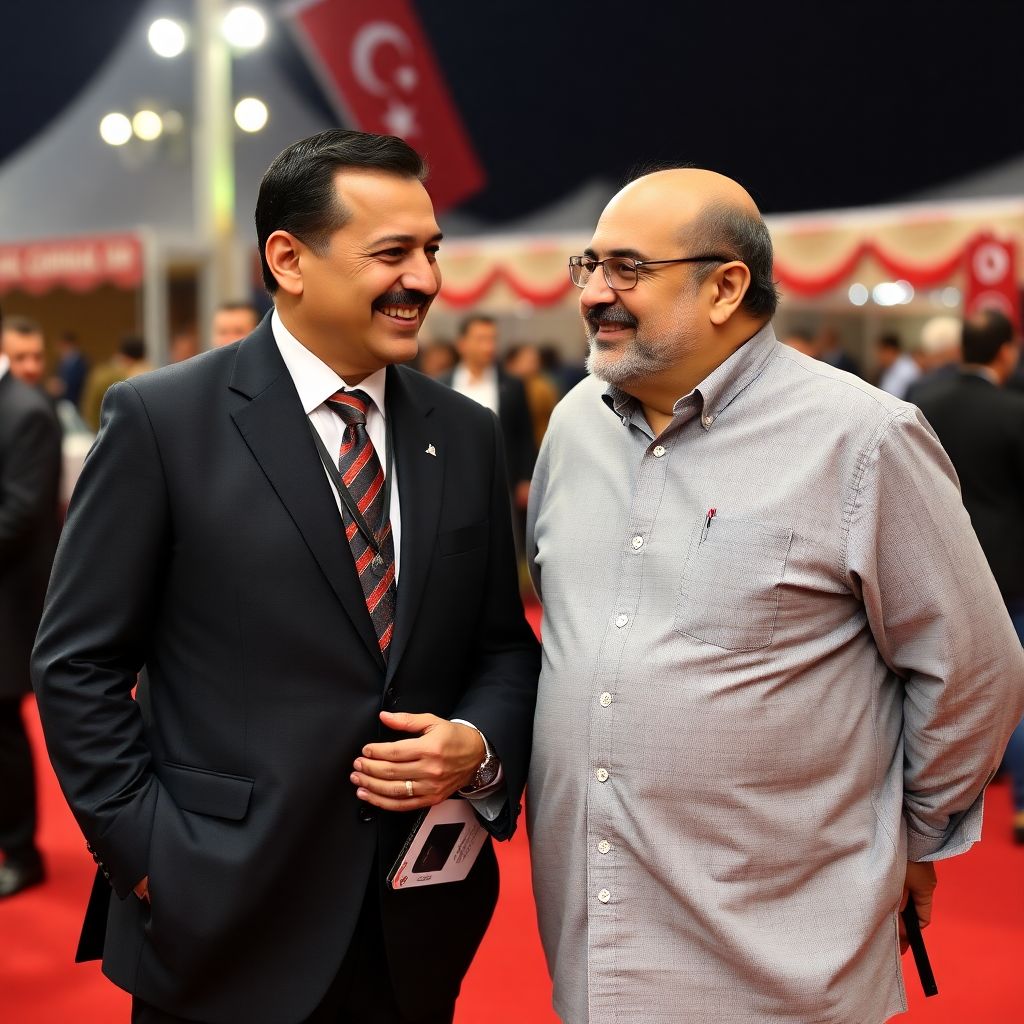
Ice has finally melted at Galatasaray. Club president Dursun Özbek and board member Abdullah Kavukçu, who was rumored to be sidelined during the upcoming transfer window, appeared side by side at the Galatasaray High School Culture and Arts Festival, effectively ending weeks of speculation about an internal rift.
For days, rumors circulated that Kavukçu – one of the influential figures behind recent transfer operations and commercial projects – would be pushed into the background, allegedly due to disagreements over strategy and spending. The joint appearance of Özbek and Kavukçu, calmly following the event together and engaging in warm conversation, sent a clear message: the board is united, and the supposed “cracks” within Galatasaray have been exaggerated.
Observers noted that the duo’s body language was deliberately reassuring. There were no signs of tension, distant attitudes or separate seating arrangements that might fuel gossip. On the contrary, Özbek and Kavukçu watched performances together, exchanged views and interacted with alumni and students as a team. Within the club, this was interpreted as a conscious show of unity ahead of a summer that will be decisive both financially and on the pitch.
The timing of this image of harmony is crucial. Galatasaray is entering a period in which transfer decisions, sponsorship talks and long‑term sporting planning will shape the next several seasons. Any perception of conflict in the boardroom could have weakened the club’s hand in negotiations with players, agents and sponsors. By publicly aligning themselves, Özbek and Kavukçu have not only calmed the fan base but also signaled to the football market that Galatasaray’s decision‑making structure remains strong and coherent.
Behind the scenes, it is said that differing views had emerged regarding the scale of investment in new signings and the balance between sporting ambition and financial sustainability. Such debates are normal in any major club, but once they leak into the media, they can easily be framed as personal feuds. Insiders insist that, rather than a power struggle, what took place was a tough but necessary discussion on how to keep Galatasaray competitive in Europe while respecting budgetary constraints. The latest pictures of Özbek and Kavukçu together suggest that this debate has now been channeled into a shared roadmap.
For Galatasaray supporters, who had begun to fear an internal crisis at the very moment when their biggest rivals are also reshaping their squads, the signal is encouraging. In recent seasons, the title race has often been decided not only by the quality of the starting XI but also by the stability of executive leadership. Clubs that fall into boardroom chaos usually see the consequences directly on the pitch: delayed transfers, panicked decisions and an atmosphere of uncertainty around the coach and players. Galatasaray’s leadership appears determined not to repeat such mistakes.
Another important aspect of this reconciliation is its impact on the transfer committee. Abdullah Kavukçu has been closely associated with several key deals and commercial initiatives in recent years. Rumors that he would be “neutralized” during the coming window raised questions about continuity: who would lead negotiations, what would happen to ongoing talks, and whether certain targets might slip away. With those claims now effectively dismissed, the internal structure for handling transfers looks more stable, and external parties know whom they are dealing with.
This atmosphere of unity also strengthens the position of the technical staff. Coaches and players inevitably follow boardroom stories; uncertainty at the top often leads to hesitation in the dressing room. When the leadership presents a united front, it becomes easier for the head coach to demand reinforcements in specific positions, to participate in long‑term squad planning and to convince current players to stay. A clearly aligned board can provide quick, consistent decisions instead of endless internal negotiations that slow everything down.
From a broader perspective, the image of reconciliation carries psychological weight in the rivalry with Fenerbahçe and Beşiktaş. While the competitive environment in Turkish football remains fierce and emotionally charged, the clubs that manage to isolate sporting decisions from political fights tend to gain an advantage. At a time when their main rivals are dealing with their own debates about coaches, presidential elections and financial strategy, Galatasaray showing calm leadership offers a subtle but important edge.
The Galatasaray High School Culture and Arts Festival turned out to be more than just a social occasion; it became a stage on which the club’s top figures could project their vision. By appearing there together, Özbek and Kavukçu also reminded supporters of the historical bond between the school and the club. That tradition is often invoked during periods of tension, serving as a reminder that Galatasaray’s identity is built on continuity, education and a shared culture, not on fleeting personal disputes.
Looking ahead, the real test of this renewed harmony will come in the form of concrete decisions. Supporters will judge the board not only by images of unity but by the effectiveness of the transfer window: which positions are reinforced, how wisely the budget is spent, and whether the squad emerges stronger and more balanced. However, it is undeniable that a clear, united leadership is the first prerequisite for any successful strategy. Without it, even the best scouting and the biggest budgets rarely deliver consistent results.
In that sense, the “thaw” at Galatasaray is more than a symbolic easing of tensions; it lays the foundation for the next phase of the club’s sporting project. If Dursun Özbek and Abdullah Kavukçu continue to act in concert – combining financial prudence with competitive ambition – Galatasaray will enter the new season not only with a stronger squad but with the kind of institutional stability that often proves decisive in the title race.
For now, one thing is clear: the whispers about fractures at the top of the club have been replaced by a message of cohesion. The ice has melted, the boardroom door appears firmly closed to internal drama, and Galatasaray is turning its focus back to where the fans want it most – building a team capable of dominating both domestically and on the European stage.