Nightlife trouble for Osimhen: star striker faces heavy backlash after national team snub
Galatasaray’s prolific Nigerian striker Victor Osimhen has found himself at the center of a storm after being dropped from his country’s squad for upcoming friendlies against Poland and Portugal – and then being filmed partying in a Lagos nightclub. The footage, which quickly spread across social media, has triggered fierce criticism from both Nigerian supporters and Galatasaray fans, who question the player’s professionalism and commitment.
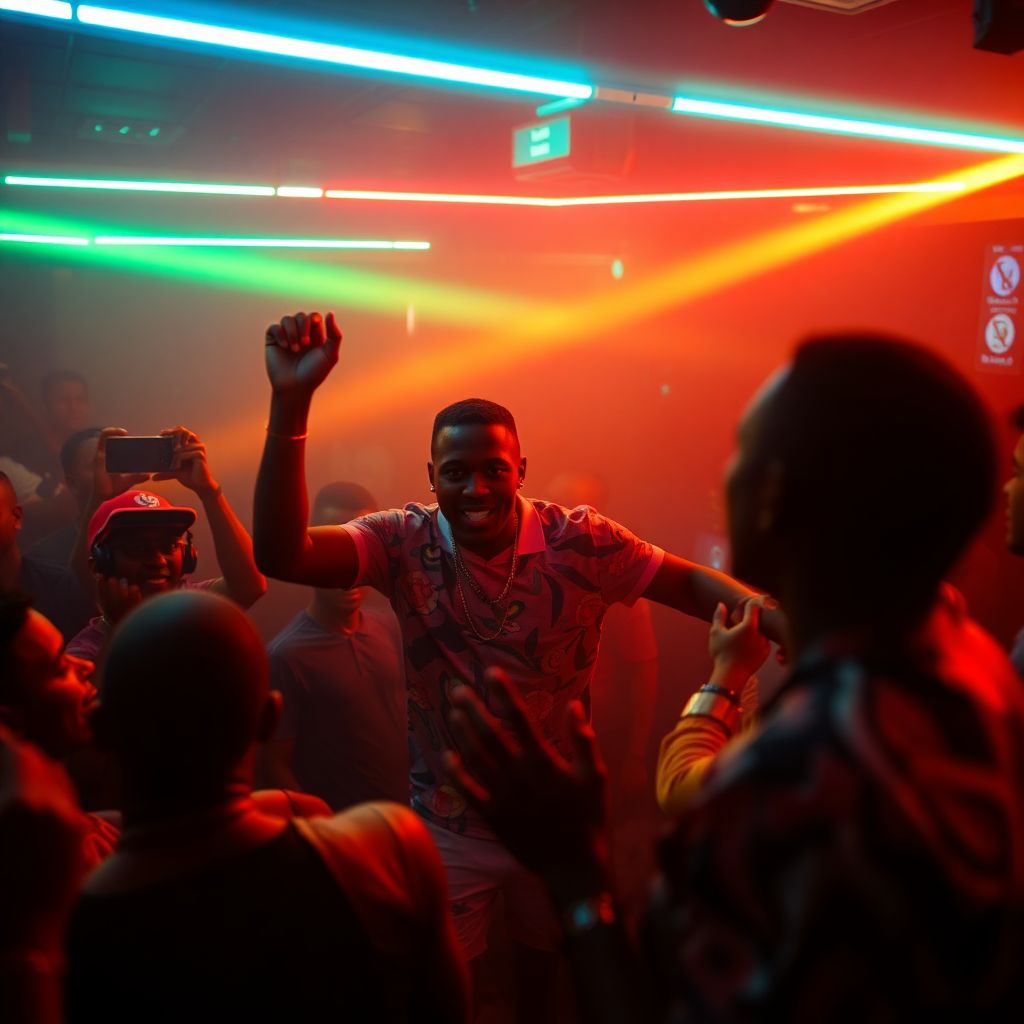
Initially, the decision to exclude Osimhen from Nigeria’s preparation matches was presented as a technical and planning choice. However, the emergence of the nightclub videos completely changed the narrative. In the clips, the forward appears relaxed and carefree, dancing and enjoying himself late into the night, at a time when many expected him to be focused on fitness, form, and his role for the national team.
For a player who has built a reputation as a relentless, hard‑working forward, these images came as a shock. Critics argue that while every athlete is entitled to private time, the timing and public visibility of Osimhen’s outing were deeply unfortunate. Being left out of a national team squad is often seen as a moment to respond with extra discipline and effort; instead, the public saw a striker seemingly unworried by the situation.
The reaction in Nigeria has been particularly harsh. Supporters point out that the national team is in a crucial period of rebuilding and experimenting ahead of major tournaments. They believe senior players, especially those who feature regularly at top European clubs, must set an example for younger teammates. Seeing one of the country’s most high‑profile stars at a nightclub instead of in camp or working individually on his game has been interpreted as a sign of disrespect toward the shirt.
Galatasaray fans, meanwhile, view the episode through a different but related lens. The club has invested heavily in Osimhen, both financially and in terms of sporting ambition. With domestic and European goals on the line, they expect their leading striker to manage his image and physical condition with extreme care. The fear is that lifestyle distractions could soon affect performances on the pitch, or at the very least damage the club’s carefully cultivated image.
Former players and pundits have also weighed in, underlining the delicate balance between personal freedom and professional responsibility. Many emphasize that modern footballers live under constant scrutiny: a few seconds of video from a private evening can overshadow months of effort and success. The consensus among many experts is that Osimhen has misjudged the situation, not necessarily by going out, but by failing to understand how his actions would be perceived in the broader context of his national team omission.
Another element fueling the backlash is the symbolic value of the Nigeria shirt. For fans, representing the national team is not just another match but the pinnacle of a career. When a top striker is dropped and almost immediately appears celebrating in a club, it clashes with that emotional expectation. Even if there were legitimate sporting or medical reasons for his exclusion, the public optics make it easy for critics to question his passion and dedication.
Inside Galatasaray, the incident also creates a complex management challenge. The coaching staff and club hierarchy must protect their asset while also reinforcing internal discipline. Any public punishment risks destabilizing the dressing room and hurting on‑field results; ignoring the matter, on the other hand, could send the message that star players are above the rules. How the club communicates with Osimhen behind closed doors, and whether any internal guidelines are tightened, could shape the relationship for the rest of the season.
The Nigerian national team setup is likely to draw its own conclusions. Even if the coach insists that sporting criteria alone dictated the squad list, external pressure may force a more direct conversation with the player about behavior, perception, and leadership. For a country aiming to compete seriously on the international stage, aligning expectations with its most prominent talents is crucial. The staff will want to ensure that Osimhen, when recalled, returns not only sharper on the pitch but more aware of the responsibilities that come with his status.
At the heart of this controversy lies the broader issue of how high‑profile footballers handle fame in the digital age. A decade ago, a night out might have passed unnoticed. Today, a single phone camera can ignite a national debate within hours. Players like Osimhen operate in an environment where every step is monitored, dissected, and turned into content. That new reality demands a level of media literacy and self‑control that not every athlete masters immediately.
There is also a sporting dimension that should not be overlooked. Periods away from the national team can be used constructively: focusing on rest, targeted training, or rehabilitation. When instead they are associated with nightlife and off‑field distractions, the narrative is flipped. Coaches and selectors may start to wonder whether a player fully grasps what is required at the highest level, especially if competing forwards are pushing hard for their chance.
For Osimhen personally, this episode may become a defining test of character. Many top players have faced similar storms over off‑field behavior, only to rebuild their image through consistent performances, humility, and renewed professionalism. How he responds in the coming weeks – with his work ethic at club training, his physical condition, and his body language on the pitch – will either calm the waters or deepen the doubts around him.
From a psychological standpoint, the incident highlights the pressure star strikers live under. Constant expectations for goals, trophies, and leadership can drive some athletes to seek escape in nightlife and social scenes. Clubs and national teams increasingly recognize the need for mental‑health support and structured off‑field routines. Guided, healthy ways of unwinding can prevent situations where a few hours of entertainment snowball into a reputational crisis.
The reaction among supporters also exposes a double standard often present in elite sport. Fans demand that players show human emotion and personality, yet they are quick to condemn any misstep that clashes with their ideal of total dedication. The debate around Osimhen raises a difficult question: where is the acceptable line between living a normal life and betraying professional values? The answer may vary from culture to culture and from club to club, but elite players must navigate that line with extreme caution.
Going forward, both Galatasaray and Nigeria will expect clear signals from Osimhen that he has taken the criticism on board. That does not necessarily require public apologies or dramatic statements, but it does mean a renewed focus on being in top shape, avoiding unnecessary controversies, and understanding that every public appearance can be interpreted as a message about priorities. A run of decisive goals and disciplined behavior would do more than any words to shift the story back toward football.
Ultimately, this controversy underlines a timeless truth: talent alone is not enough to stay at the pinnacle of the game. Discipline, image management, and respect for the badge – whether club or country – are now as important as finishing ability in the box. If Osimhen draws the right lessons from this turbulent period, he can still turn it into a stepping stone rather than a stain on his career. If not, nights out like the one in Lagos risk becoming a recurring headline instead of a one‑off error in judgment.