Suspect in 2013 Reyhanlı Bombings Arrested in Hatay
Bülent Dükancı, a 59-year-old man suspected of involvement in the May 2013 bomb attacks in Reyhanlı, has been detained in an operation in Hatay province, Turkish authorities said.
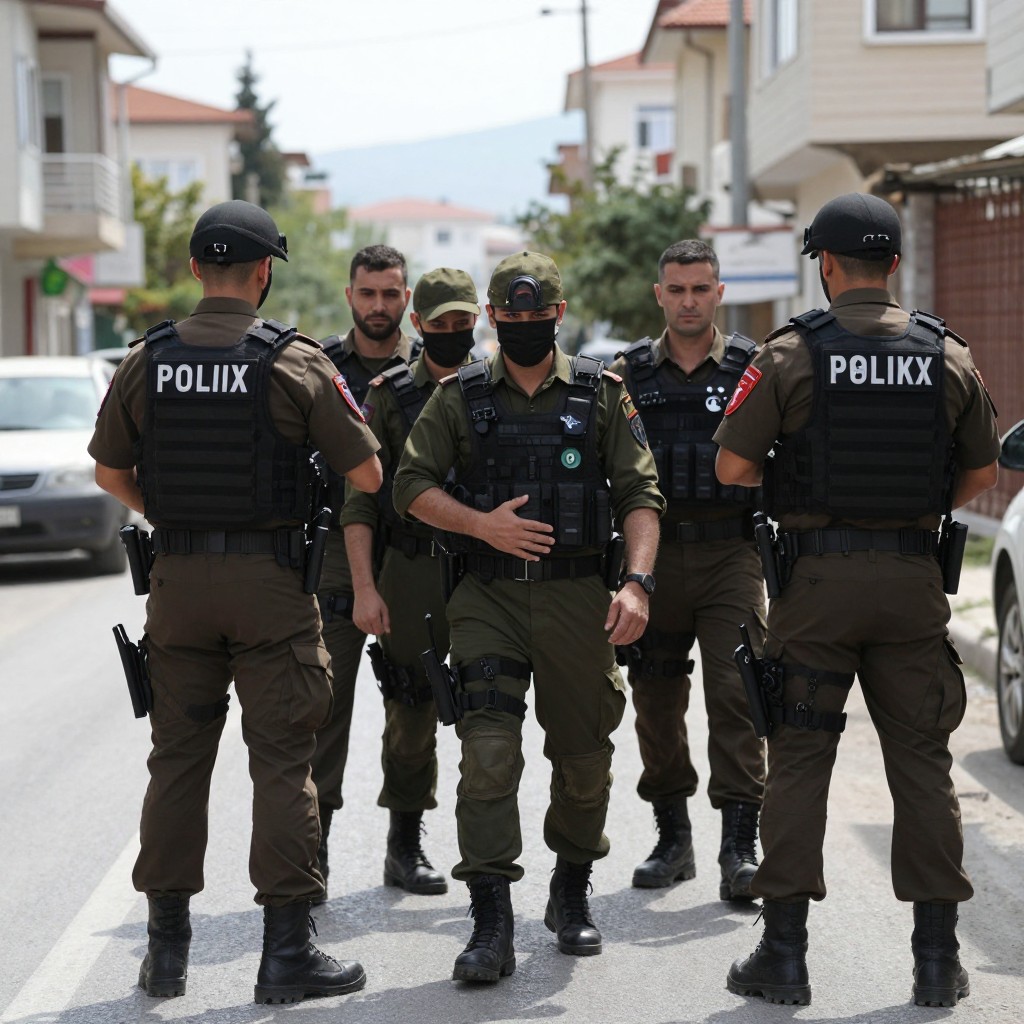
Gendarmerie teams arrested Dükancı at an address in Gülderen neighbourhood, in the Antakya district. The operation was carried out as part of ongoing security work into the attacks, which were carried out using two bomb-laden vehicles.
The Reyhanlı bombings killed 53 people. Dükancı is described as a member of the armed group THKP-C and as one of the alleged perpetrators connected to the attack. His detention marks a further development in efforts to identify and apprehend people suspected of involvement in the case.
The operation was coordinated by the Hatay Provincial Gendarmerie Command, with support from the Hatay Provincial Police Department and Turkey’s National Intelligence Organization. During a search of the residence, officers seized two mobile phones, an unlicensed handgun, one magazine and seven rounds of ammunition.
Authorities have not provided further details about the circumstances of the arrest or the next steps in the investigation. The seizure of the weapon and ammunition was reported as part of the search, but no additional information has been released about how those items may relate to the 2013 attacks.
What is known about the Reyhanlı attack
The bombings took place in Reyhanlı, a district in Hatay, in May 2013. Two vehicles carrying explosives were used in the attack, which caused heavy loss of life. The incident remains one of the deadliest attacks in the area’s recent history.
The arrest took place in Antakya, elsewhere in Hatay province. Gülderen neighbourhood was identified as the location of the address targeted by security teams. Officials have not said how long Dükancı had been at the residence or whether other people were present during the operation.
The case involves a long-running investigation into those suspected of planning or carrying out the bombings. Such investigations can include reviewing previous evidence, tracking leads and coordinating information among law-enforcement and intelligence agencies. The authorities have not outlined which specific investigative step led them to Dükancı.
The items found during the search may be examined as part of the inquiry. Mobile phones, for example, can be subject to forensic analysis where legally authorised, while a firearm and ammunition may be assessed separately. No conclusions about the seized objects’ relevance should be drawn until investigators or prosecutors provide further information.
Dükancı’s detention does not, by itself, establish guilt. The allegations against him will need to be assessed through the relevant legal process, and further information about any formal charges or court proceedings has not been made public in the account of the operation.
The arrest also underlines the continuing work of security agencies on cases involving attacks that caused significant civilian casualties. Authorities have not announced whether the operation is expected to lead to further arrests or whether the investigation has reached a new stage.
For now, the confirmed details are limited: the 59-year-old suspect was detained at a residence in Gülderen, the operation involved gendarmerie, police and intelligence support, and officers reported finding two phones, an unlicensed handgun, a magazine and seven rounds of ammunition. The Reyhanlı attack itself involved two bomb-laden vehicles and killed 53 people.