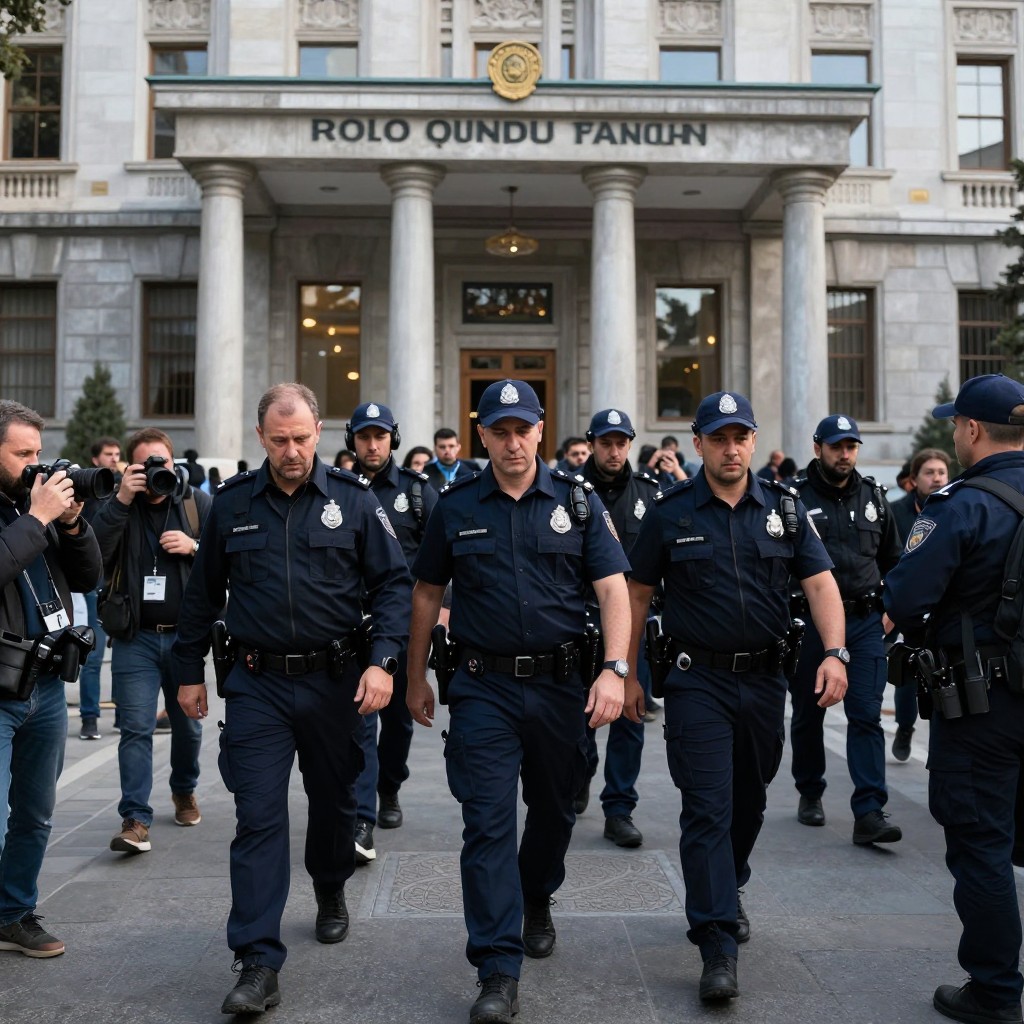
New Development in MHK Investigation: Seven Suspects Referred to Court
Seven people, including Turkish Central Referee Board (MHK) President Ferhat Gündoğdu, have been referred to the courthouse as part of an ongoing investigation that has drawn significant attention across Turkish football.
The suspects were taken into custody during an operation conducted last Tuesday. Following the completion of police procedures, Gündoğdu and six others were transferred to the courthouse for further judicial processing.
The operation was coordinated by the Istanbul Chief Public Prosecutor’s Office and carried out by the Istanbul Police Department’s Financial Crimes Unit. Authorities had issued detention orders for all seven individuals, and each was taken into custody during the operation.
The referral marks a new stage in the case, but it does not by itself establish that any of the suspects committed an offence. The judicial process will determine what steps follow, including whether the individuals are released, placed under judicial supervision or held in custody. No final conclusions about responsibility can be drawn until the investigation and any subsequent court proceedings are completed.
The case has attracted attention because of the MHK’s central role in Turkish football. The board is responsible for matters relating to referees, including appointments and the administration of officiating. Any allegations involving its leadership therefore raise questions about the independence, transparency and oversight of decisions that affect competitions.
Referee appointments and match administration are especially sensitive issues in professional football. Clubs, players and supporters expect those decisions to be made according to established rules and without favouritism. For that reason, a transparent investigation may be important not only to establish whether any wrongdoing occurred, but also to maintain confidence in the institutions responsible for the game.
At this point, the publicly reported information is limited to the detention of the seven suspects and their transfer to the courthouse. Details of the specific allegations, the evidence being examined and the suspects’ accounts have not been provided in the available report. Any claims about particular matches, appointments or individuals beyond those named should therefore be treated with caution unless confirmed through the judicial process.
The next phase will depend on decisions by prosecutors and the court. Authorities may continue gathering evidence, question the suspects further or take other procedural measures. The case could also prompt scrutiny of the rules and internal controls governing referee appointments, depending on what investigators establish.
For football authorities, the investigation presents a broader challenge: protecting the credibility of refereeing while ensuring that any response is based on verified facts rather than speculation. Clear communication about the process, within the limits of the law, can help prevent rumours from overtaking the evidence.
The referral of Gündoğdu and six other suspects to the courthouse is therefore a significant procedural development, not a verdict. The outcome will depend on the evidence reviewed by the judicial authorities and the findings reached as the case progresses.