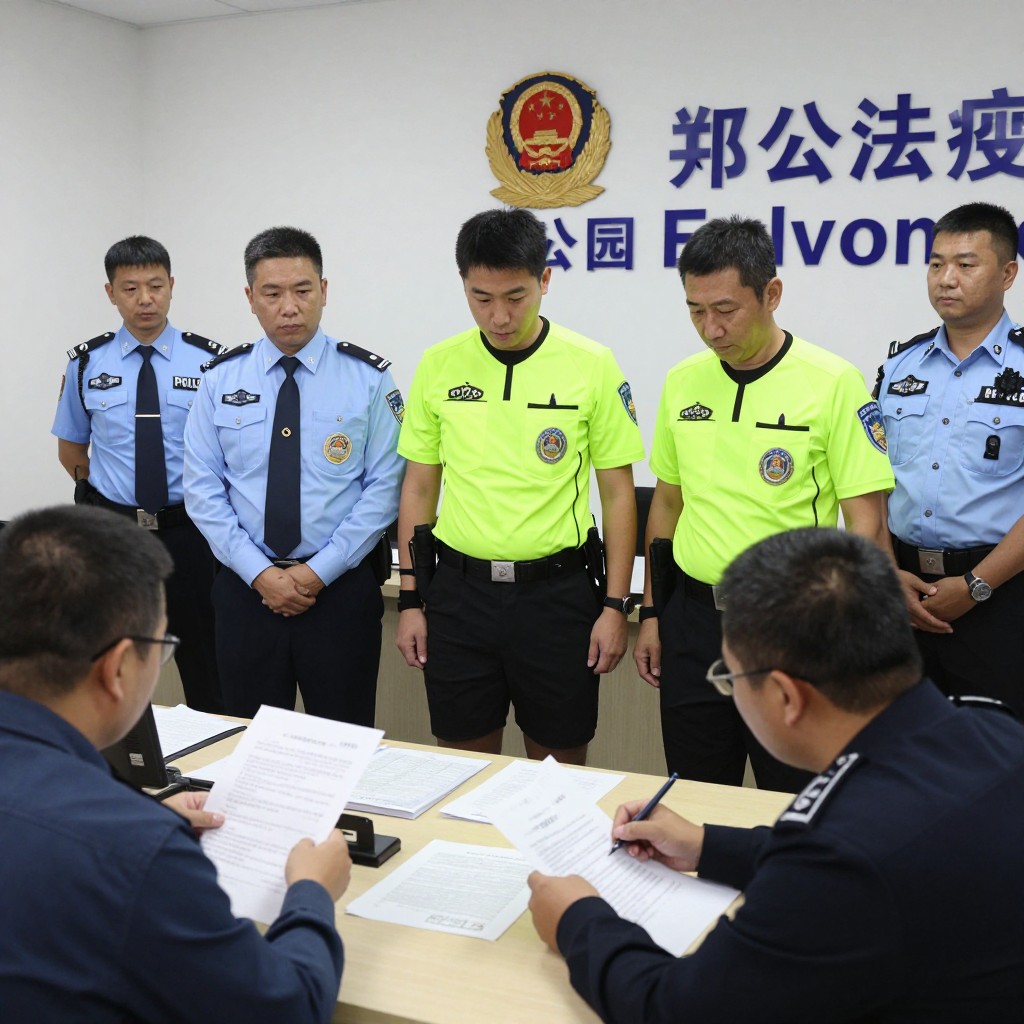
Detention Orders Reported in Investigation Involving MHK Chairman Ferhat Gündoğdu
Authorities have reportedly carried out coordinated operations in four provinces as part of an investigation referred to as the “Referees File.” Seven people, including Turkish Football Federation Central Refereeing Board (MHK) Chairman Ferhat Gündoğdu, are reported to have been detained. The allegations under investigation include workplace mobbing directed at referees and observers, as well as the alleged falsification of official documents.
The case began after a complainant filed an application on 15 September 2025. Investigators are examining claims that certain officials used pressure or other improper methods against match officials. According to reports, the inquiry has drawn on financial analysis by MASAK, telephone-traffic records, witness statements and expert assessments.
Those reported to have been detained are Ferhat Gündoğdu; Ferdi Karadoruk, head of the TFF Active Referees Association; Ahmet Şahin, a former deputy chairman of the MHK; Yunus Yıldırım, a former MHK member; Sebahattin Şahin, an MHK member and TFF education and regional official; Alican Sağlar, an Istanbul branch organisational officer of the TFF Referees and Observers Association; and Emre Kosif, head of the association’s Istanbul Provincial Refereeing Board.
The reported operation has also brought renewed attention to the oversight of referee appointments and performance assessments. The allegations, if substantiated, could raise questions not only about individual conduct but also about how decisions within refereeing bodies are documented, reviewed and challenged.
At this stage, the accusations remain allegations. A detention does not establish guilt, and the investigation’s findings will need to be assessed through the legal process. The individuals named are entitled to the presumption of innocence unless a court reaches a final judgment.
What the investigation may examine
The reported focus on mobbing suggests that investigators may seek to establish whether referees or observers faced systematic pressure, rather than isolated disagreements over appointments or evaluations. Relevant evidence could include communications, written decisions, assignment records and testimony from people familiar with the procedures.
The allegation of falsifying official documents is a separate issue. Investigators would need to determine whether records were altered or created improperly, who was responsible, and whether any changes were intended to influence appointments, assessments or other official decisions. Expert analysis may help establish how and when documents were produced or modified.
Financial records and phone data can provide context, but neither automatically proves wrongdoing. Such material generally has to be considered alongside other evidence, including witness accounts and the documents at the centre of the inquiry. The significance of each item will depend on its reliability and how it relates to the alleged conduct.
Possible implications for Turkish football
The case could prompt wider scrutiny of the systems used to appoint referees, assess their performances and handle complaints. Clear written criteria, consistent record-keeping and independent review can help reduce the risk of arbitrary decisions and make it easier to identify mistakes or misconduct.
The investigation may also test how effectively football institutions respond when concerns are raised. If formal complaints are made, transparent procedures for receiving and assessing them can help protect both match officials and the integrity of the organisations responsible for overseeing them.
Any conclusions about wider institutional responsibility, however, will depend on evidence. The reported arrests do not by themselves establish that other officials or organisations were involved, nor do they determine whether any specific match was affected. Those questions can only be answered as the investigation proceeds and the relevant evidence is examined.
Further updates are expected as investigators clarify the alleged roles of the seven people and decide what legal steps, if any, should follow. Until then, the central issues remain the claims of pressure against refereeing personnel and possible irregularities in official records.