They Put the Noose Around Our Necks in Only the Second Week
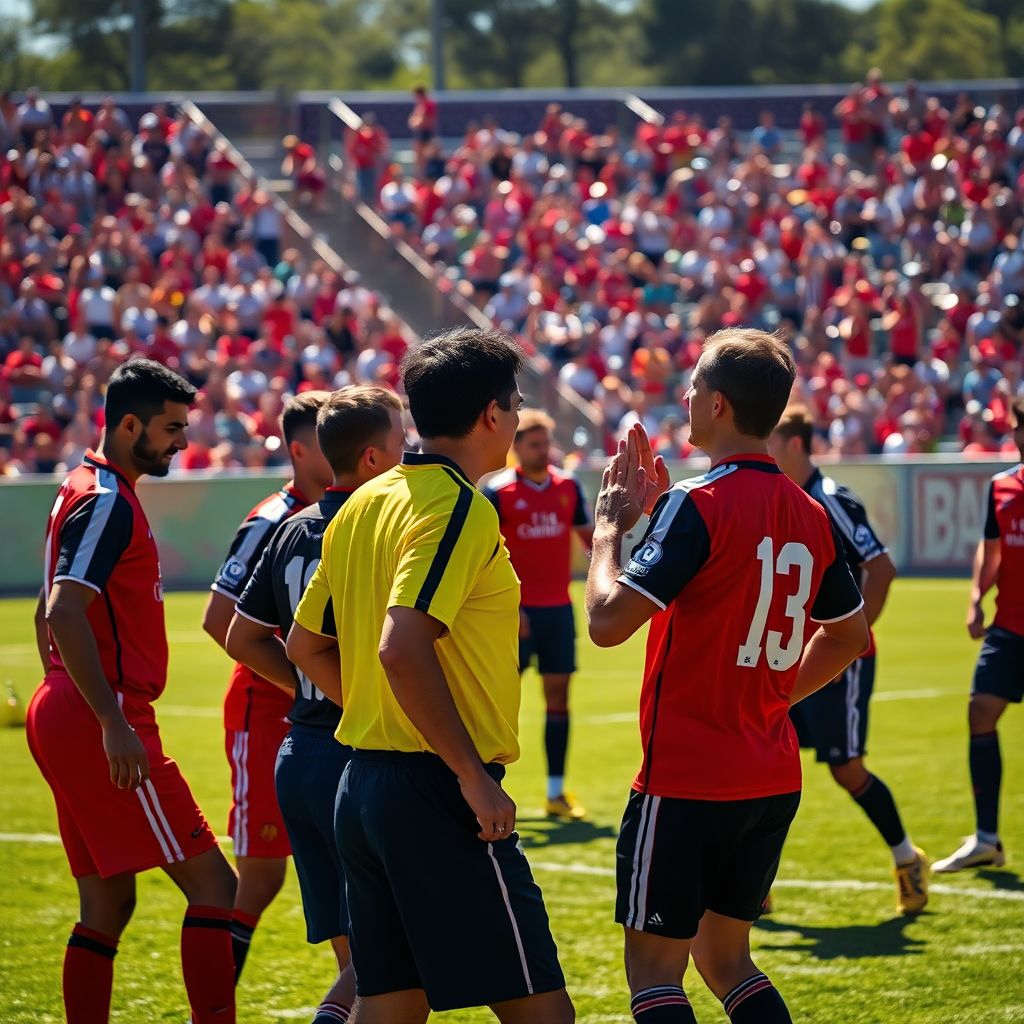
The Alanyaspor-Beşiktaş match left behind far more than a difficult scoreline. It exposed a series of decisions and incidents that made the game increasingly controversial and raised serious questions about the standard of refereeing in Turkish football.
Scheduling a match in Alanya during the hottest part of August was already questionable. The appointment of a referee associated with the infamous “almost offside” phrase used in a previous Galatasaray match added to the unease. The selection of Kayatepe, remembered for his role in the Konyaspor cup match, for another Beşiktaş fixture further intensified concerns among supporters.
The match itself only deepened those doubts. Beşiktaş players were subjected to challenges that appeared to go beyond the limits of normal physical play. Trossard was repeatedly hit with kicks and punches, while Salih suffered forceful tackles involving both the foot and the knee. Yet the disciplinary response remained insufficient, leaving the impression that the rules were being applied selectively.
Beşiktaş also saw a goal ruled out after what appeared to be a minor pull. Later, in a comparable situation, the team was denied a penalty. The inconsistency was difficult to explain: similar incidents seemed to produce completely different outcomes depending on which side benefited.
There were further moments that frustrated the players. An Alanyaspor attacker appeared to be several metres offside, but the assistant referee did not immediately raise the flag, allowing the action to continue and valuable time to pass. In another incident, the ball went out off an Alanyaspor player, yet possession was awarded back to the same team despite the assistant referee being in an ideal position to see what happened. Such decisions pushed the players’ patience to the limit.
This is no longer an issue that can be addressed with a routine statement. The Beşiktaş administration must act quickly and collectively. The first step should be to convene the Union of Clubs and place the problem at the centre of the agenda. The message must be clear: injustice against one club can eventually affect every club.
Beşiktaş should then make a direct approach to the Turkish Football Federation with concrete examples rather than emotional complaints. If necessary, the entire board should insist on extended meetings until practical measures are agreed. Referees who repeatedly manage matches incorrectly must face meaningful consequences. Accountability cannot exist only in speeches; it must be reflected in appointments, evaluations and disciplinary procedures.
The integrity of Turkish football depends on consistency. Clubs cannot be expected to invest heavily in players, coaches and infrastructure while match officials operate without transparent standards. A mistake may occur in football, but repeated errors, contradictory decisions and unexplained VAR interventions create a different problem altogether.
VAR was introduced to reduce serious mistakes, not to make decisions even more confusing. When a referee is invited to review one position but another, equally important incident is ignored, confidence in the system naturally declines. The federation must explain how VAR protocols are applied and whether officials are evaluated according to consistent criteria.
Beşiktaş’s response should also remain disciplined. Strong leadership does not mean losing control; it means protecting the team through organised, evidence-based action. Every disputed decision should be documented, reviewed and presented formally. The club must ensure that its voice is heard without allowing the debate to be reduced to empty accusations.
The danger was visible from the opening week of the season. After only two rounds, Beşiktaş already appears to be facing a hostile environment in which every point may be contested. That is why the administration must take a position immediately. Waiting until the problems grow larger would be a serious mistake.
There is another issue that deserves attention: the rumours surrounding Orkun. Claims about tension inside the squad, his allegedly isolated behaviour during meals, teammates supposedly ignoring him after goals, a lack of tempo and disagreements with the coach have been circulating. However, none of these claims appears convincing based on what has been seen on the pitch.
A player may occasionally look tired, withdrawn or emotionally affected. That alone does not prove that a team is experiencing a crisis. Football squads are living environments, and relationships cannot be judged from a single image or a brief moment captured by cameras.
Orkun remains an important part of a team that has generally functioned well so far. Nübel made a poor pass and Orkun immediately responded with applause and encouragement. When Trossard was injured, he was among the first players to approach him. He has also confronted opponents who repeatedly challenged Olaitan, Salih and Rıdvan with excessive force.
These actions reveal a player who is not detached from the group, but actively involved in protecting his teammates. Leadership is not limited to wearing an armband or giving interviews. It can also be seen in the moments when a player stands up for others, supports a teammate after a mistake and refuses to accept intimidation.
The public should therefore be cautious about narratives built on speculation. A player’s aura may seem subdued, or his morale may not be perfect, but that does not make him a problem inside the dressing room. What matters is his contribution, his behaviour toward teammates and his role in the team’s overall balance.
Beşiktaş must not allow external pressure to damage a squad that is still developing. The club needs stability, unity and clear communication. Management should defend the team against unfair treatment while also protecting players from unnecessary media noise.
The message is simple: Beşiktaş will not remain silent while questionable decisions shape its season. Nor should every ordinary team dynamic be presented as evidence of a crisis. The administration must deal with the refereeing issue firmly, while the football department continues to focus on performance.
Turkish football needs transparent officiating, consistent VAR standards and an effective disciplinary system. Beşiktaş should be at the forefront of that demand-not only for itself, but for every club that may face the same treatment in the future.