Nihat Kahveci: “I’m drained and exhausted”
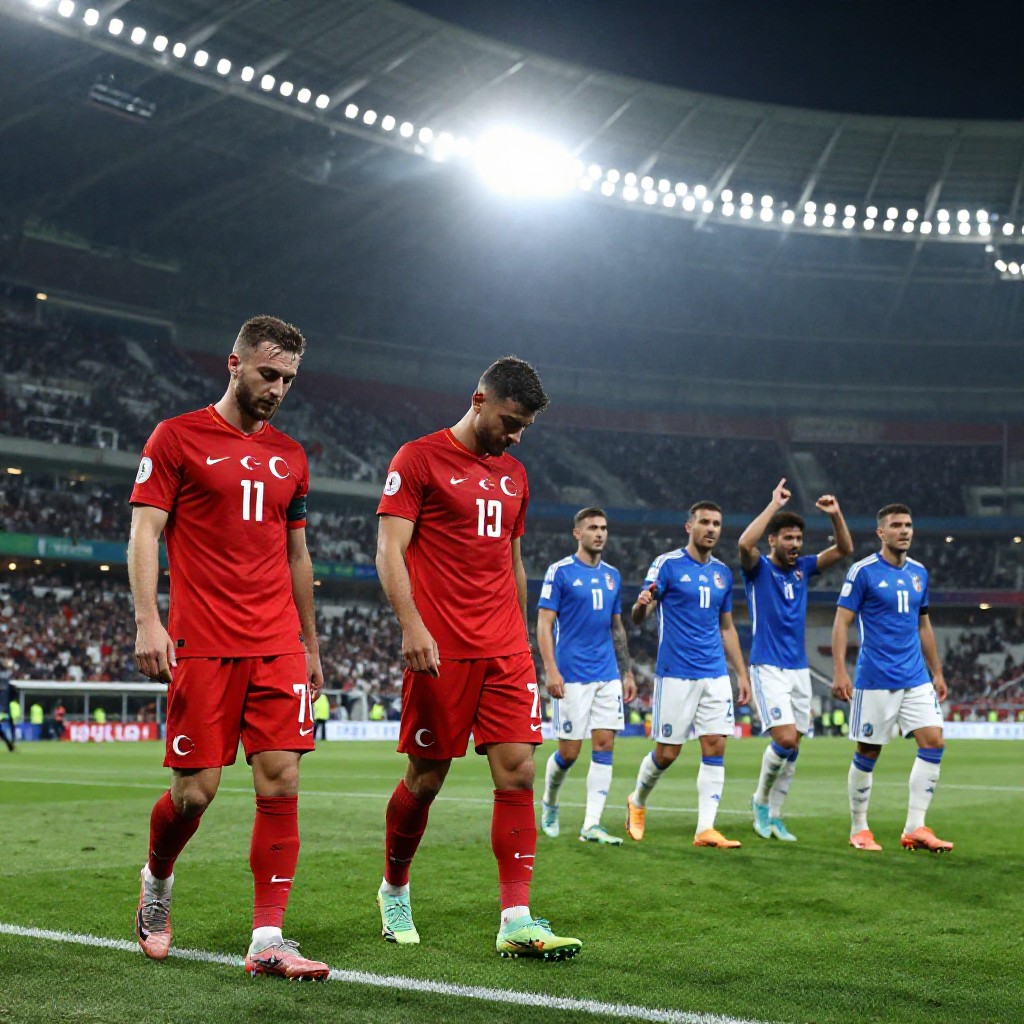
Former Turkey international Nihat Kahveci delivered a blunt assessment of the national team after its 3-1 defeat away to Italy in the UEFA Nations League. The result left Turkey without a point after four matches in Group A1, while Kahveci said the team’s performances had left him increasingly frustrated.
“Who are we going to beat?”
Kahveci was particularly critical of the way Turkey conceded in the first half. He argued that Italy had created little before taking the lead, yet the visitors failed to make the most of a relatively quiet spell from their opponents.
“The goal we conceded in the first half was almost a joke,” he said. “We weren’t giving them chances. They put in a cross, Scamacca got his shot away, it hit Ozan, struck the post and went in. That was about it in the first half.”
He then questioned Turkey’s inability to produce a convincing performance against either strong or struggling opposition. “When the opponent is good, we lose. When they’re poor, we still lose. So who are we going to beat? That makes it seven matches with six defeats. Honestly, I’m drained.”
Kahveci also recalled the anxiety that had surrounded the team before the match, saying expectations were already low. But after watching Italy, he felt the hosts had offered little to suggest they were at their best.
“I watched Italy and they weren’t doing much. They couldn’t put three passes together. But what did we do? Our corners were poor, our shots were poor. We were praising Yunus just for making a good run,” he said.
A brief lead did not last
Turkey’s goal gave the team a moment of hope, but that spell was short-lived. Italy restored its advantage from a free kick only three minutes later, a sequence Kahveci described as especially difficult to accept.
“We scored, and for a moment I thought it might be our best attack of the match. Then, three minutes later, we concede from a free kick. Couldn’t we enjoy being level for ten minutes? Three minutes-that’s all,” he said.
Kahveci was also unimpressed by the quality of this Italian side, describing it as the weakest generation of Italy players he could remember watching. In his view, that made Turkey’s defeat even more disappointing.
“We’ve watched Italy throughout our lives. This is the worst Italian generation I’ve seen. And we still conceded three goals. We couldn’t do anything against even this Italy. I’m telling you, I’m exhausted.”
What Turkey must address
The defeat raises questions not only about the final score, but about how Turkey responds when a match begins to turn against it. Conceding soon after scoring meant the team had little time to settle, regain its shape or build confidence from the equaliser.
Set pieces will also demand attention. Kahveci’s criticism focused on the free-kick goal and the danger of allowing a promising moment to disappear so quickly. Improving defensive organisation in these situations could help Turkey avoid turning brief lapses into decisive setbacks.
At the other end of the pitch, the team needs to create more than isolated runs or occasional shots. Good movement can open space, but it has to be supported by accurate passing, better delivery from corners and a clearer route toward goal. Without that, even a determined performance may produce few meaningful chances.
The comments also point to a broader issue of confidence. When results keep going against a team, players can become hesitant: attacks lose fluency, routine decisions grow harder and conceding once can quickly lead to another setback. Rebuilding belief may therefore be as important as making tactical adjustments.
For Turkey, the next step is to turn criticism into practical improvement. The group-stage results have left little room for complacency, and the players will need to show greater concentration, sharper execution and more resilience when momentum shifts. Kahveci’s frustration reflects the disappointment of a team that, in his view, is not yet showing enough to compete consistently-even when its opponent appears vulnerable.