Kategori: E-Spor
-
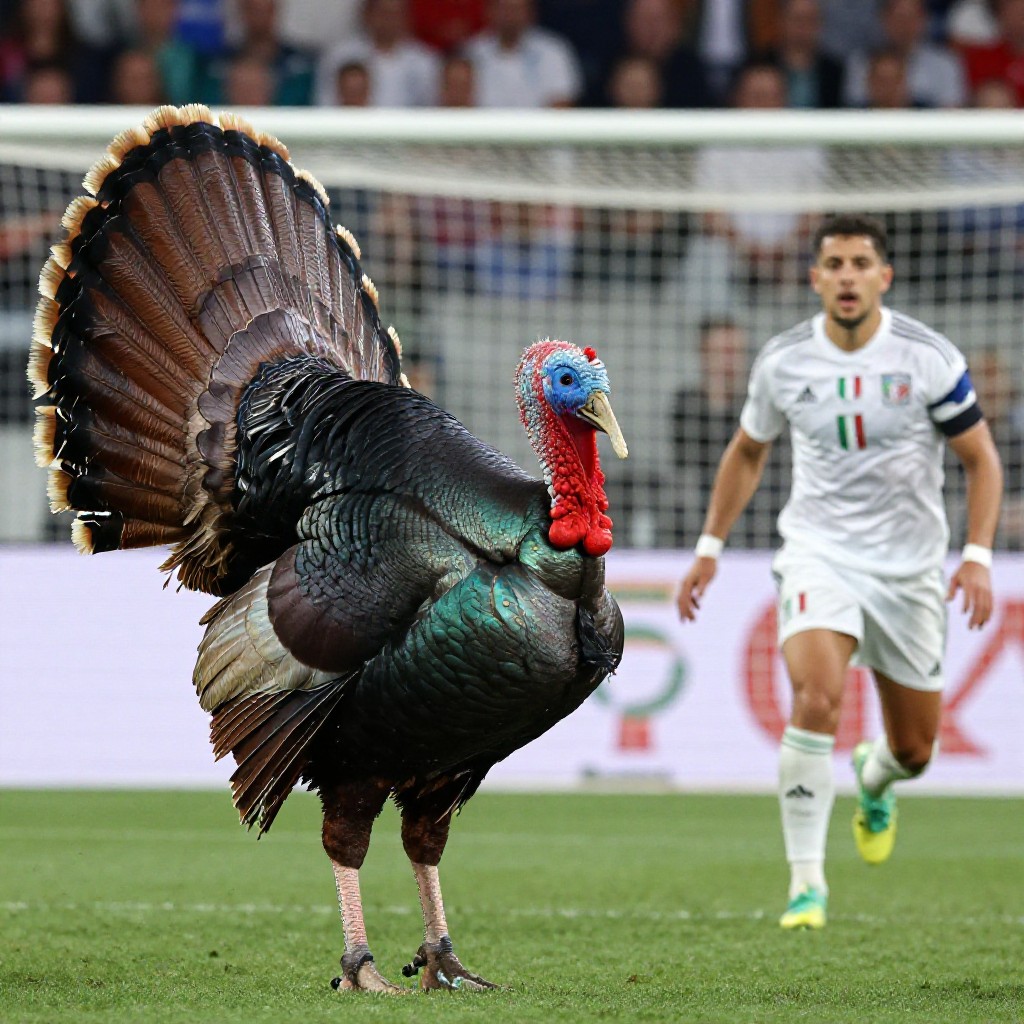
Turkey vs italy: the a league and a demanding schedule proved too much for turkey
The A League and the schedule proved too much for us! Turkey’s national team looked noticeably different in Bologna from the side that had appeared in Bursa a week earlier. Injuries and suspensions forced changes, but they also created openings for players who might otherwise have had to wait for their chance. Ozan Kabak started…
-

Merve Özbey updates fans after foot injury in concert staircase fall
Singer Merve Özbey Updates Fans After Falling on Concert-Staircase Turkish singer Merve Özbey has spoken about her condition after falling down a staircase during a concert in Afyonkarahisar. The accident happened during a break in her performance, as she was leaving the stage. She received initial medical attention in Afyonkarahisar before returning to Istanbul, where…
-

Scientists study lake van microbialites for clues to mars
Scientists Search for Clues to Mars in the Depths of Lake Van An international research team is investigating how tiny carbonate spheres form within microbial structures in Lake Van, eastern Türkiye. By studying these formations, researchers hope to better understand geological processes that may also have occurred on Mars. Samples collected from the lake will…
-
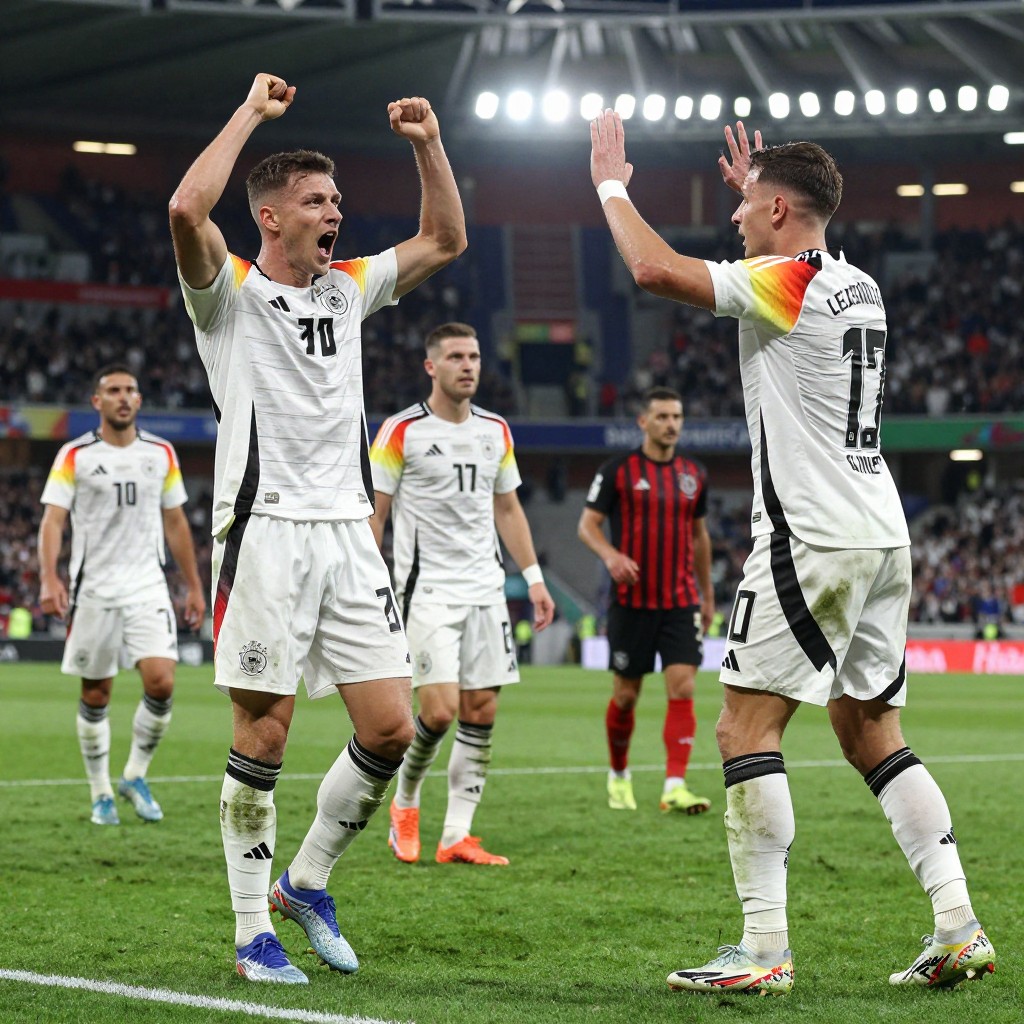
Germany beat serbia 2-0 at home in Uefa nations league third round
Germany Beat Serbia 2-0 at Home in the UEFA Nations League Germany recorded a 2-0 victory over Serbia in the third round of the UEFA Nations League, claiming all three points on home soil. The result gave the German side a convincing win and left Serbia without a goal in the match. The final score…
-

Ai film the sleeping woman set to spark debate on cinema’s future and jobs
“The Sleeping Woman” Is Set to Spark a New Debate Cinema has repeatedly reinvented itself as technology has changed the way films are made and watched. Now, artificial intelligence is pushing the industry toward another turning point. The Turkish production *The Sleeping Woman* has been selected for the main competition of Germany’s Cottbus Film Festival,…
-
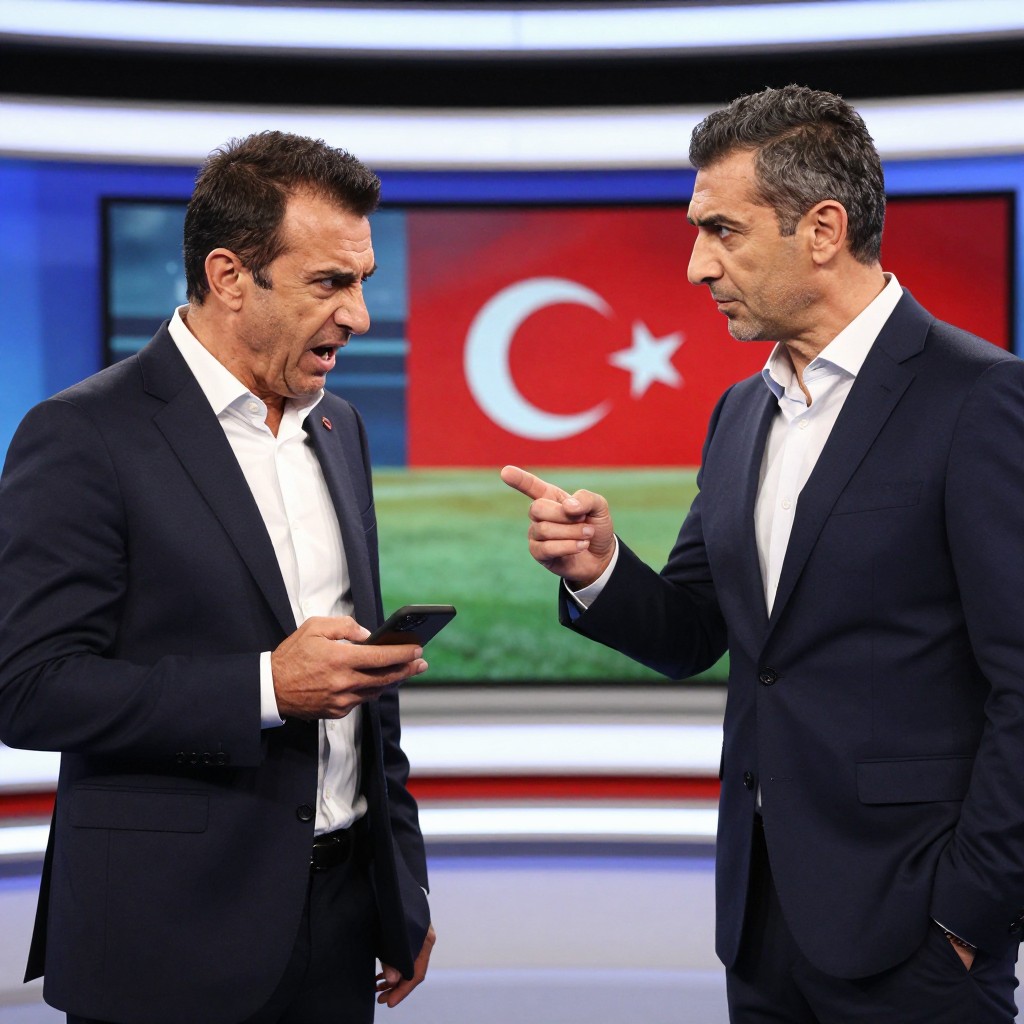
Nihat kahveci takes a sharp swipe at sergen yalçın over his return to commentary
Nihat Kahveci Takes a Sharp Swipe at Sergen Yalçın Nihat Kahveci has launched a pointed personal attack on Sergen Yalçın after the former Beşiktaş manager returned to football commentary. Kahveci’s late-night post quickly drew attention online, reigniting debate about the two men and their relationship with the club. Yalçın, who most recently coached Beşiktaş, has…
-
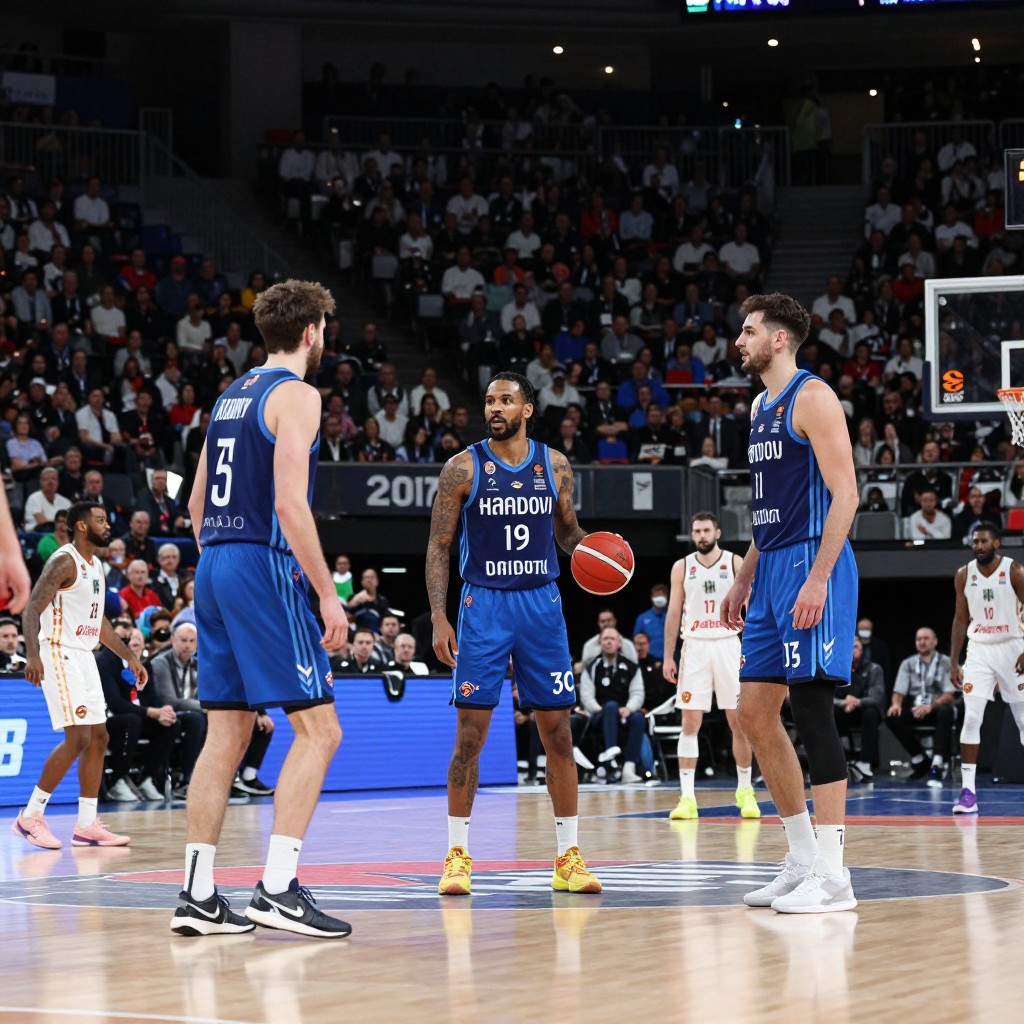
Anadolu efes vs red star: euroleague road test in belgrade
Anadolu Efes’ Next Target: A EuroLeague Test Against Red Star Anadolu Efes will travel to face Red Star Belgrade in the third round of the EuroLeague, with the Turkish side aiming to make its mark on the road. The fixture offers Efes an early opportunity to build momentum in the competition and measure itself against…
-
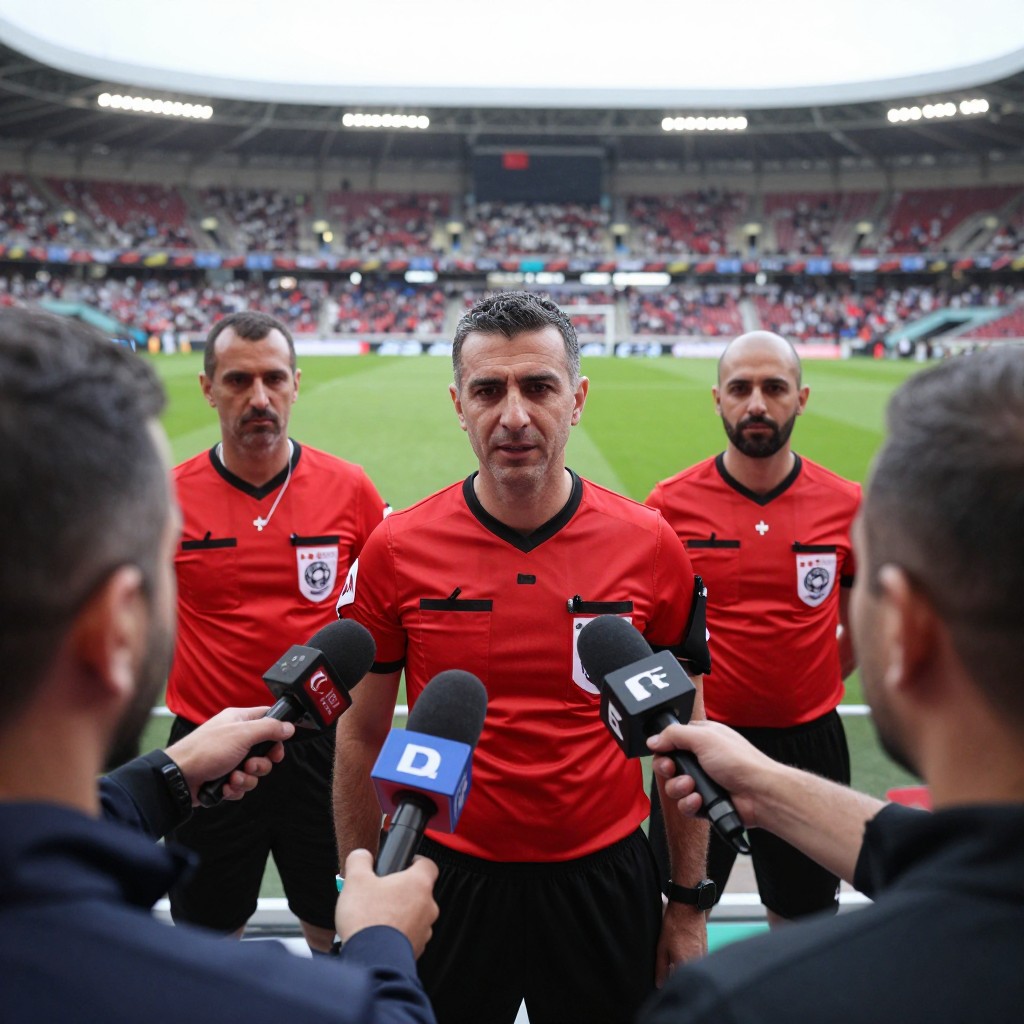
Serdal adalıs past criticism of ferhat gündoğdu resurfaces after detention
Serdal Adalı’s Past Remarks on Ferhat Gündoğdu Return to the Spotlight Earlier criticism from Beşiktaş president Serdal Adalı has resurfaced after Ferhat Gündoğdu, head of the Turkish Football Federation’s Central Refereeing Committee (MHK), was detained as part of the “Referees File” investigation. The development has brought renewed attention to Adalı’s previous comments about the refereeing…
-
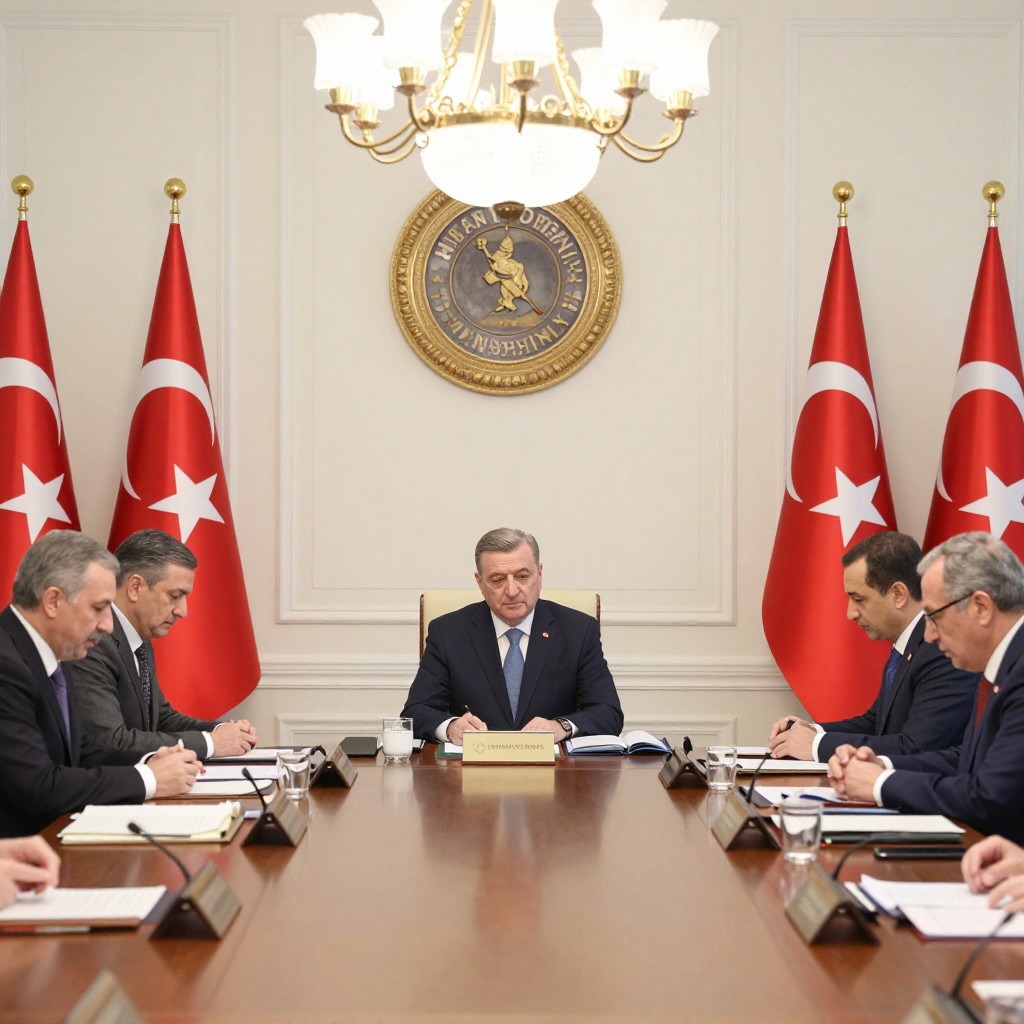
Türkiyes national solidarity and integration coordination board meets at presidential complex
Türkiye’s National Solidarity and Integration Coordination Board Meets Türkiye’s National Solidarity and Integration Coordination Board convened at the Presidential Complex, with Vice President Cevdet Yılmaz chairing the meeting. An official written statement was expected to be issued after the session. The meeting brought together the board under Yılmaz’s leadership, though no further details about its…
-
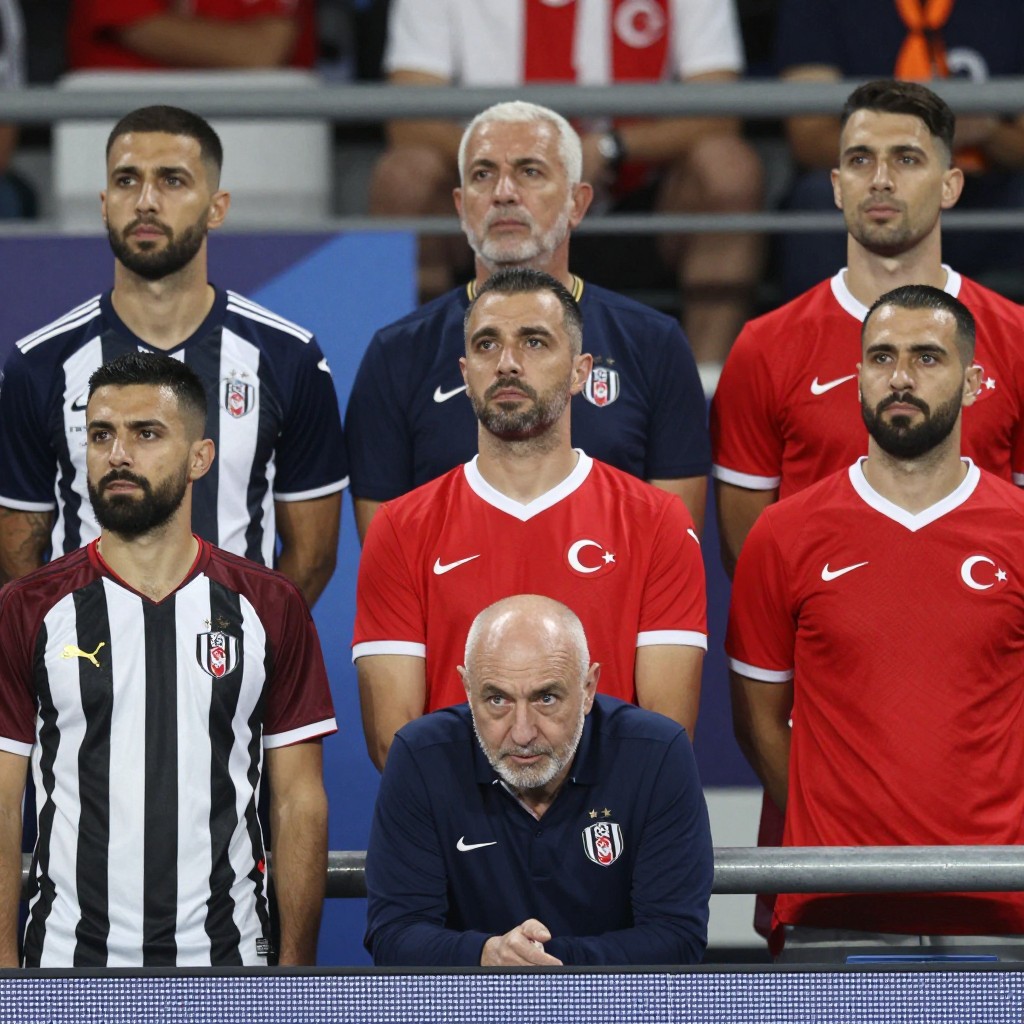
Beşiktaş players face prejudice in türkiye national team selection, poll finds
88% of Respondents Say Beşiktaş Players Face Prejudice in National Team Selection A poll on whether Beşiktaş footballers receive the recognition they deserve with Türkiye’s national team produced a clear result: most participants believe the club’s players are treated unfairly. The survey received 4,368 votes. Of those, 3,842 respondents – 87.96% – selected the option…