Kategori: Basketbol
-
Beşiktaş, fenerbahçe and trabzonspor seek Tff league postponement amid european push
Beşiktaş, Fenerbahçe and Trabzonspor request league postponement from TFF Three of Turkey’s leading clubs – Beşiktaş, Fenerbahçe and Trabzonspor – are preparing an official request to the Turkish Football Federation (TFF) to postpone their upcoming weekend fixtures. The clubs point to their demanding European schedule and argue that a brief adjustment to the domestic calendar…
-
Ricardo pepi to galatasaray transfer rumours dismissed by Psv insider
Pepi-Galatasaray transfer talk dismissed by PSV insider The speculation linking United States striker Ricardo Pepi with a move to Galatasaray has been firmly shot down from the Netherlands. While the American forward’s name briefly surfaced on the Turkish champions’ transfer radar, the Dutch side’s camp has made it clear that there is no substance behind…
-
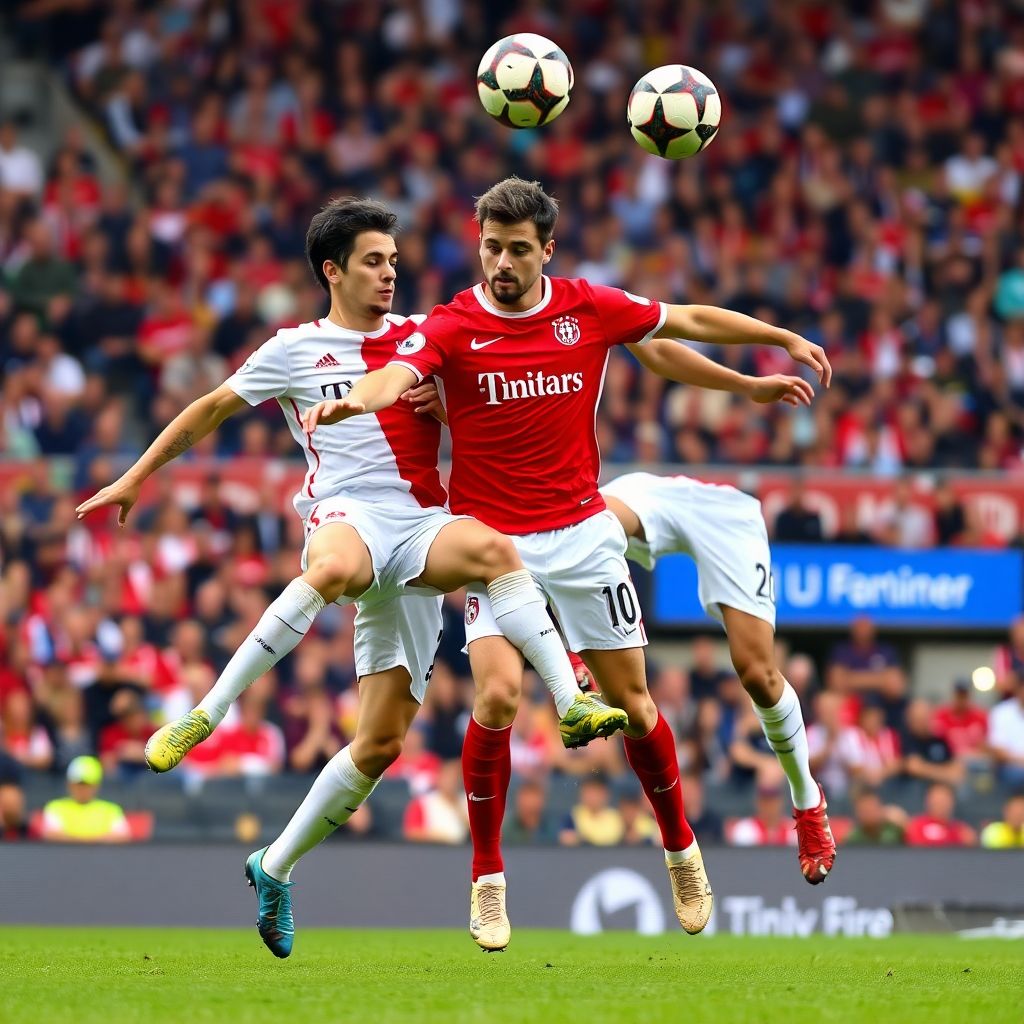
Quinten timber to beşiktaş?. Reunion with orkun kökçü to rebuild midfield
Orkun Kökçü’s former midfield partner has emerged as a serious target for Beşiktaş as the club accelerates its efforts to reinforce the center of the pitch with a high-profile signing. The black-and-whites are now strongly considering a move for Dutch midfielder Quinten Timber, who currently plays for Marseille and previously formed a highly effective partnership…
-
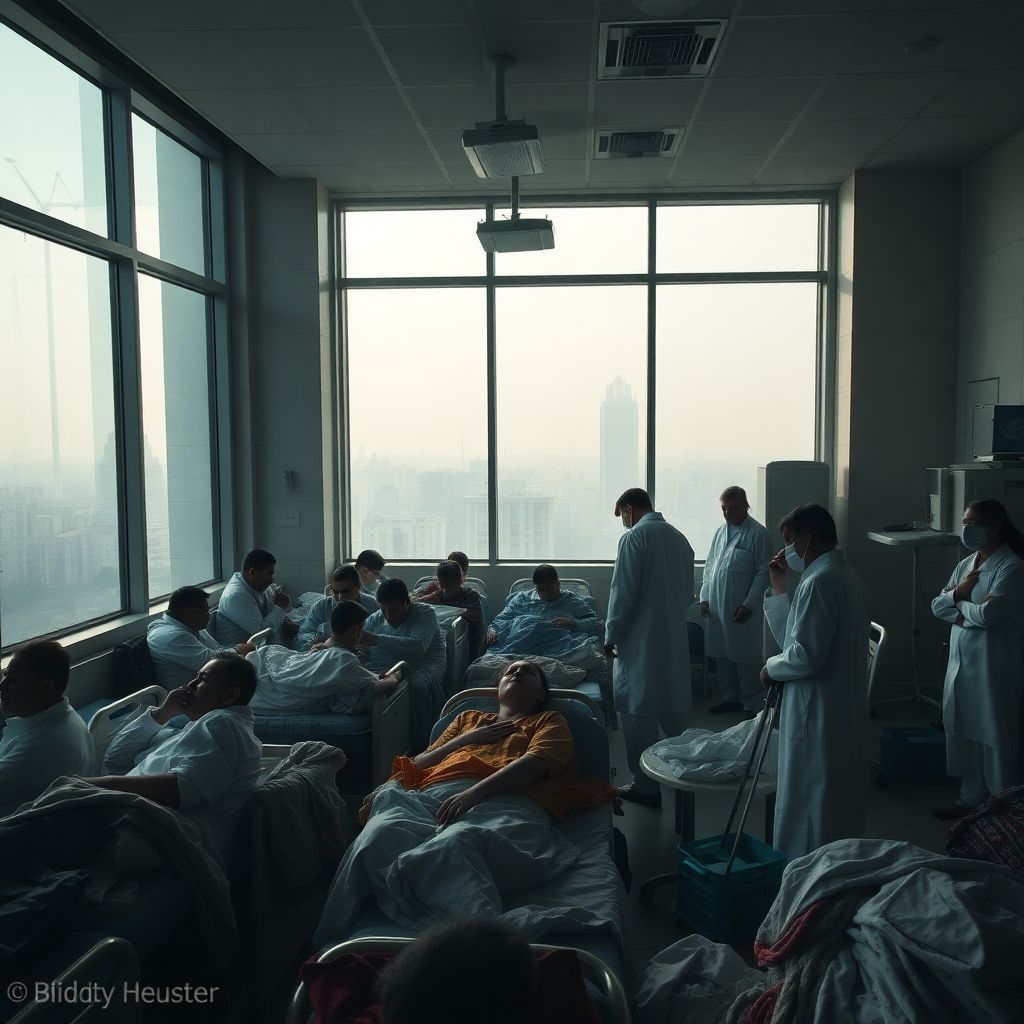
Climate crisis driving surge in respiratory illnesses and 20% rise in hospital visits
Climate crisis fuels surge in respiratory illnesses: hospital visits up 20 percent in two years Rising temperatures driven by the climate crisis are increasingly damaging lung health and pushing more people into hospitals. Associate Professor Dr. Yasemin Saygıdeğer from Çukurova University Faculty of Medicine, Balcalı Hospital, Department of Pulmonology, reports that outpatient and emergency admissions…
-
Kademeli emeklilik 2026: will phased early retirement law pass parliament?
Kademeli emeklilik ne zaman çıkacak, 2026’da yürürlüğe girer mi, Meclis’e geldi mi ve erken emeklilik şartları neler? Milyonlarca çalışan, özellikle de EYT kapsamı dışında kalan sigortalılar, bu soruların net cevabını merak ediyor. Aşağıda 2026 için kademeli emeklilik ve erken emeklilikle ilgili güncel tabloyu, beklentileri ve mevcut hakları ayrıntılı biçimde bulabilirsiniz. — Will phased retirement (kademeli…
-
Pavlidis on fire: benficas new goal machine and the turkish clubs left behind
Pavlidis on fire: Benfica’s new goal machine keeps delivering Vangelis Pavlidis has hit the ground running at Benfica and shows no sign of slowing down. The Greek striker, who already attracted serious attention during the summer transfer window, has become one of the Portuguese giant’s most in-form and decisive players at the start of the…
-

Tick-borne Cchf kills 35-year-old woman in Ünye, raising health alarm
Tick claim another life: 35-year-old woman dies after CCHF infection A 35-year-old woman from the Ünye district of Ordu has died after being infected with the Crimean-Congo Hemorrhagic Fever (CCHF) virus transmitted by a tick, once again drawing attention to the growing danger of tick-borne diseases in the region. According to information obtained, C.D., who…
-
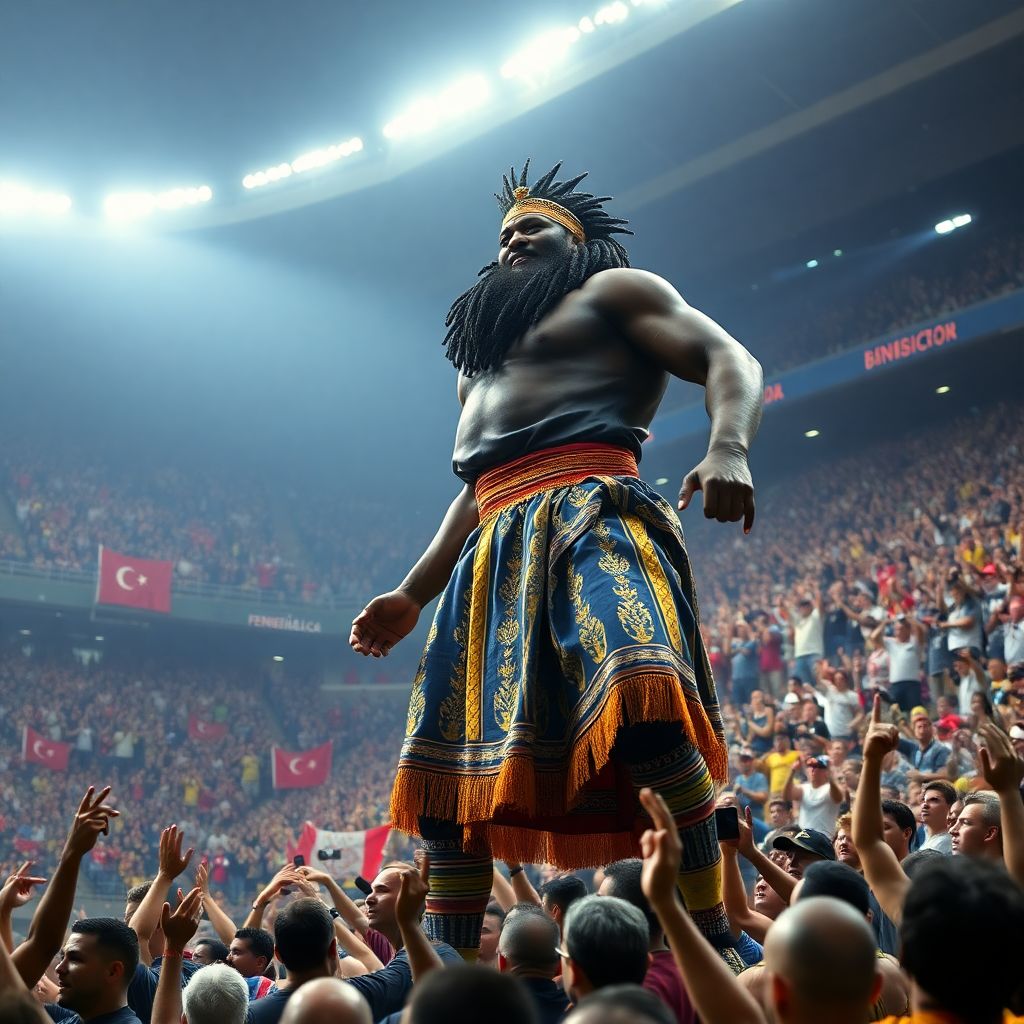
Fenerbahçe and lukaku: the pehlivan dream reshaping transfer strategy
Fenerbahçe stuck with the “Pehlivan” dream: Lukaku chase reshapes transfer strategy Fenerbahçe’s hunt for a world-class centre-forward has taken yet another dramatic turn. After weeks of talks with several high-profile strikers across Europe, the club has now firmly redirected its focus toward Italy. At the center of this renewed pursuit stands Romelu Lukaku – the…
-
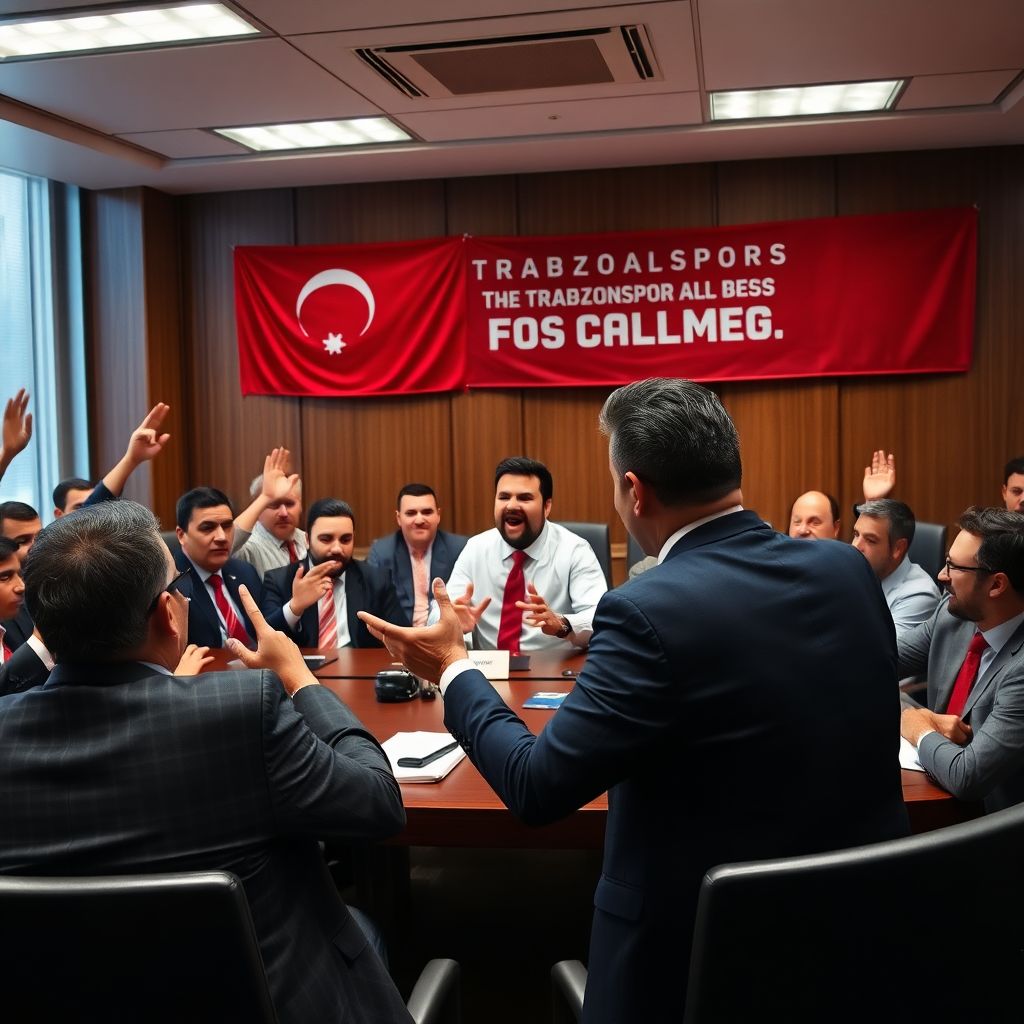
Everyone mobilized for trabzonspor as mohamed salah transfer operation intensifies
Everyone mobilized for Trabzonspor: the Salah operation grows Trabzonspor have launched one of the most ambitious transfer moves in their history, centering on Egyptian superstar Mohamed Salah. The Black Sea club are treating the pursuit of the Liverpool and Egypt icon as a full-scale operation, mobilizing every possible contact and argument to turn a dream…
-

Beşiktaş vs hradec králové in Uefa europa league as crucial qualifying tie begins
A decisive night in the UEFA Europa League awaits Beşiktaş as the black-and-whites open their 3rd qualifying round campaign away to Czech side Hradec Králové. The Istanbul giants step onto the European stage looking to lay the groundwork for a deep run, but also to calm growing concerns around squad depth and transfer activity ahead…