Italian Media Turn Their Attention to Montella After Turkey’s 3-1 Defeat
Italy’s 3-1 victory over Türkiye in the Nations League made headlines in the Italian press, but the coverage was not limited to the goals. Several newspapers and sports outlets also focused on Türkiye coach Vincenzo Montella, suggesting that the result had increased scrutiny of his position.
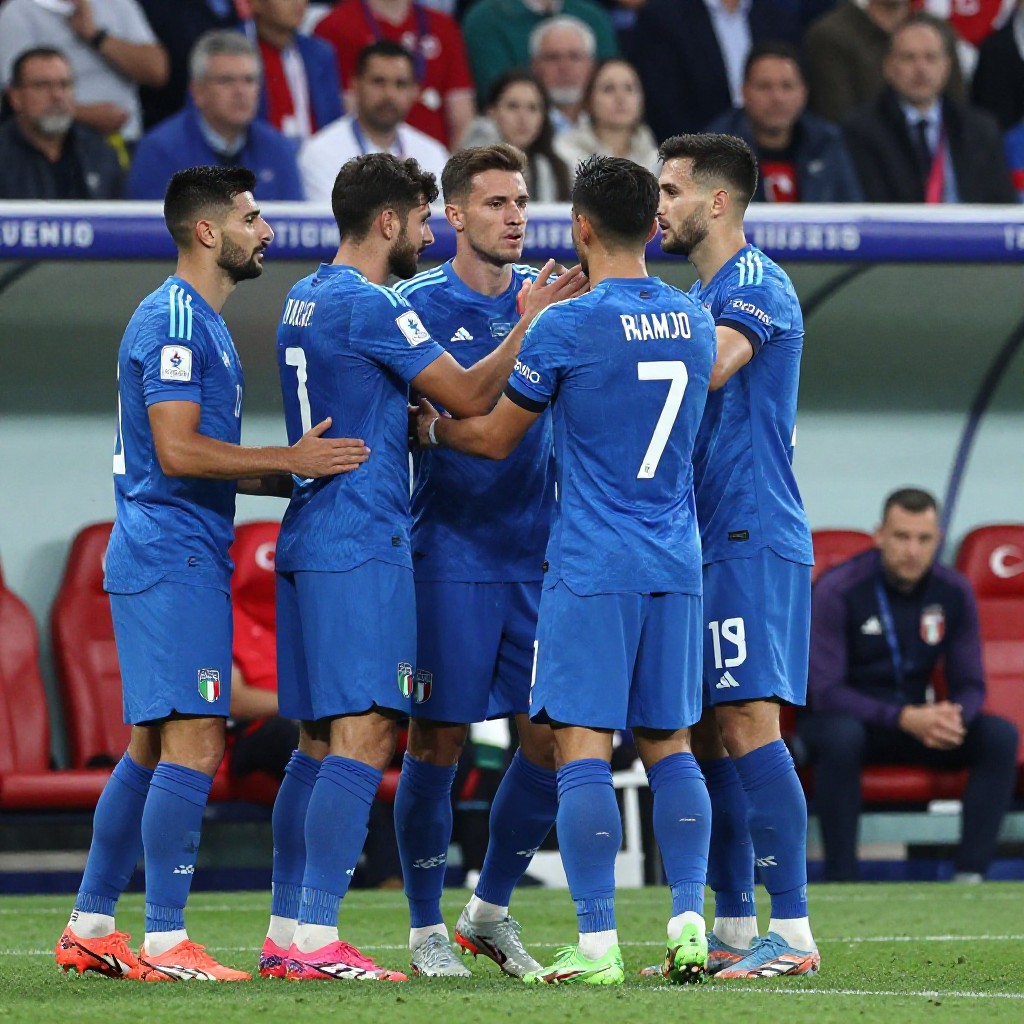
The match began with Gianluca Scamacca putting Italy ahead with a powerful first-half volley. Türkiye drew level after the break through Aral Şimşir, but Italy regained the lead when Riccardo Calafiori scored with a header. Pio Esposito added a third goal late in the game to secure the win.
La Gazzetta dello Sport presented the result as evidence of a more convincing Italy, highlighting the team’s three goals and its progress towards second place in the group. Its report described Scamacca’s opener as a forceful finish and noted that Türkiye briefly brought the score level through Şimşir before Calafiori and Esposito settled the contest.
Tuttosport also centred its coverage on the three scorers. The newspaper portrayed the victory as a strong response from Italy, while framing the result as a serious setback for Montella’s side.
Corriere dello Sport stressed that Italy’s performance was effective, even if it did not match the standard of the team’s previous display in Bursa. The report followed the sequence of goals: Scamacca opened the scoring, Şimşir equalised, and Calafiori restored Italy’s advantage soon afterwards. Esposito’s late strike then completed the win.
Sportsmediaset described the result as another success for Italy against Türkiye. It pointed to the wider group standings, noting that Belgium’s 4-1 defeat to France helped Italy move into second place in League A, Group 1. The outlet also drew attention to the pressure now facing Montella after his team finished the match without points.
Tuttomercato took a similar line, presenting Italy’s victory as a positive end to the international period. Its report highlighted Italy’s overall run of results and contrasted it with Türkiye’s difficulties, describing the national team as being in a crisis and raising questions about Montella’s role.
The outlet also noted that Türkiye arrived without several key players: Arda Güler, Hakan Çalhanoğlu and Yılmaz were unavailable. Despite those absences, the team managed to respond after conceding first and briefly levelled the score. However, Italy’s second goal changed the momentum, and Esposito’s late finish confirmed the defeat.
Italian news agency ANSA focused on the significance of the result for the home side. It reported that Italy finished its international fixtures on a high note and moved into second place in the group. The match was also presented as part of a broader effort to rebuild the squad, give younger players opportunities and widen the range of options available to the team.
Across the reports, the recurring theme was the contrast between Italy’s attacking efficiency and Türkiye’s inability to hold on after equalising. The three Italian goals came from different players and at important moments, allowing the hosts to recover control after Şimşir’s strike.
For Montella, the defeat was especially challenging because the team had shown it could respond, but could not maintain that balance for the remainder of the game. The equaliser offered Türkiye a route back into the contest; Calafiori’s goal, scored soon after, quickly narrowed that opening.
The Italian coverage also connected the result to the pressure surrounding the Türkiye coach. Some outlets used language suggesting that his position was under threat, while others focused more broadly on the team’s run of poor results. These assessments reflect the tone of the reports rather than an official announcement about Montella’s future.
The absences of Güler, Çalhanoğlu and Yılmaz were another important part of the post-match discussion. Their unavailability limited Montella’s choices, but the Italian press still emphasised the team’s defensive and tactical problems after the score became level.
Italy’s win therefore carried significance beyond the final score. It improved the team’s standing in the group and gave the Italian press an opportunity to praise the side’s finish to the international break. For Türkiye, the 3-1 loss renewed debate about results, squad depth and the pressure on the coaching staff.
The match’s defining sequence was straightforward: Italy took the lead, Türkiye fought back, and Italy answered with two more goals. That pattern shaped the reports in Italian newspapers and sports media, where the scorers, the group table and Montella’s position emerged as the main talking points.