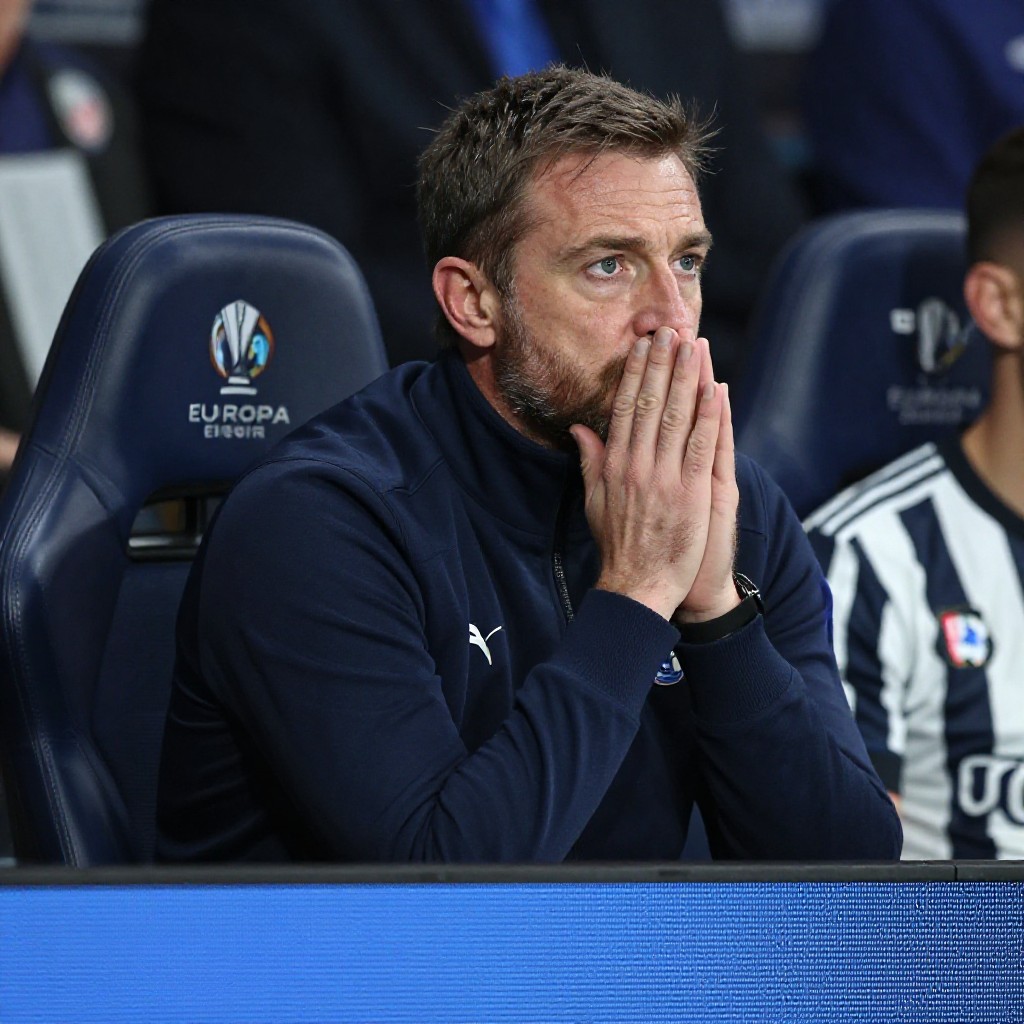
“Can You Really Say Beşiktaş Are Unbeatable?”
Ahead of Beşiktaş’s Europa League meeting with Hoffenheim, football commentator Serdar Ali Çelikler questioned both the standard of Turkish football and the confidence surrounding the Istanbul club. His central challenge was blunt: could anyone genuinely describe Beşiktaş as unbeatable against the German side?
Çelikler questions the level of Turkish football
Çelikler argued that Turkish teams and coaches remain below the tactical standard required to compete consistently at a higher level. In his view, expectations should be realistic: many players and managers in the country are operating closer to the standard associated with the Conference League than with Europe’s leading competitions.
His remarks went beyond one club or one fixture. Çelikler presented Beşiktaş’s upcoming match as an opportunity to examine how Turkish football measures up when faced with opposition from a major European league. The point, he suggested, was not simply whether Beşiktaş could win, but whether the team had shown enough to be considered a reliable favourite.
Hoffenheim’s form does not settle the question
Çelikler noted that Hoffenheim had been going through a poor spell in the German league. Even so, he questioned whether that alone should make Beşiktaş confident of avoiding defeat. A struggling opponent, he implied, does not automatically become an easy one, particularly when a Turkish side has yet to demonstrate consistent tactical control.
That distinction matters in European football. A team’s domestic difficulties can create an opening, but the result still depends on how effectively its opponent takes advantage. Beşiktaş would need to turn any uncertainty in Hoffenheim’s form into pressure on the pitch, rather than assume that the German club’s recent problems would decide the contest in advance.
Beşiktaş’s narrow league win and refereeing criticism
The commentator also referred to Beşiktaş’s 2-1 victory over Kocaelispor. He criticised the officiating, claiming that a penalty and a red card should have been awarded but were not. His comments linked the domestic match to the European test ahead, asking what Beşiktaş would produce against Hoffenheim after winning by a single goal.
Çelikler additionally mentioned the absence of Vlahovic, though the remarks did not explain how that absence might affect the match. The broader issue in his assessment was whether Beşiktaş could perform convincingly when the outcome depended on its own football, rather than on controversial decisions or an opponent’s poor form.
What Beşiktaş need to show
For Beşiktaş, the fixture offers a chance to answer the criticism through performance. A strong result would require more than attacking ambition: the team would need to defend with discipline, avoid costly errors and make its possession count. Against a side from Germany’s top division, lapses in concentration can quickly turn into dangerous chances.
Defensive stability is likely to be especially important. A team that commits players forward must also protect the space left behind, track runners and maintain clear communication between the back line and goalkeeper. If those details are neglected, even a Hoffenheim side struggling domestically may find ways to threaten.
Beşiktaş will also need to manage the match intelligently. Pressing relentlessly can unsettle an opponent, but it can leave gaps if the pressure is poorly coordinated. Choosing when to press, when to hold shape and how quickly to move the ball forward could determine whether the Turkish side controls the tempo or spends long periods reacting.
A test of confidence and consistency
Çelikler’s question about whether Beşiktaş are “unbeatable” highlights the difference between belief and evidence. Supporters may expect their team to compete strongly, while analysts may point to tactical limitations or inconsistent results. Neither position decides the match; the players’ execution does.
The Hoffenheim game therefore carries significance beyond the final score. It can offer an indication of how well Beşiktaş’s approach translates to European competition and whether the team can sustain its level against an opponent with a different footballing background. A win would strengthen confidence, while a defeat would intensify scrutiny of the squad and coaching staff.
Still, one match cannot provide a complete verdict on Turkish football. It can, however, reveal whether Beşiktaş are prepared to meet a European challenge with structure, resilience and a clear plan. That is the standard behind Çelikler’s criticism-and the question the team will have to answer on the pitch.