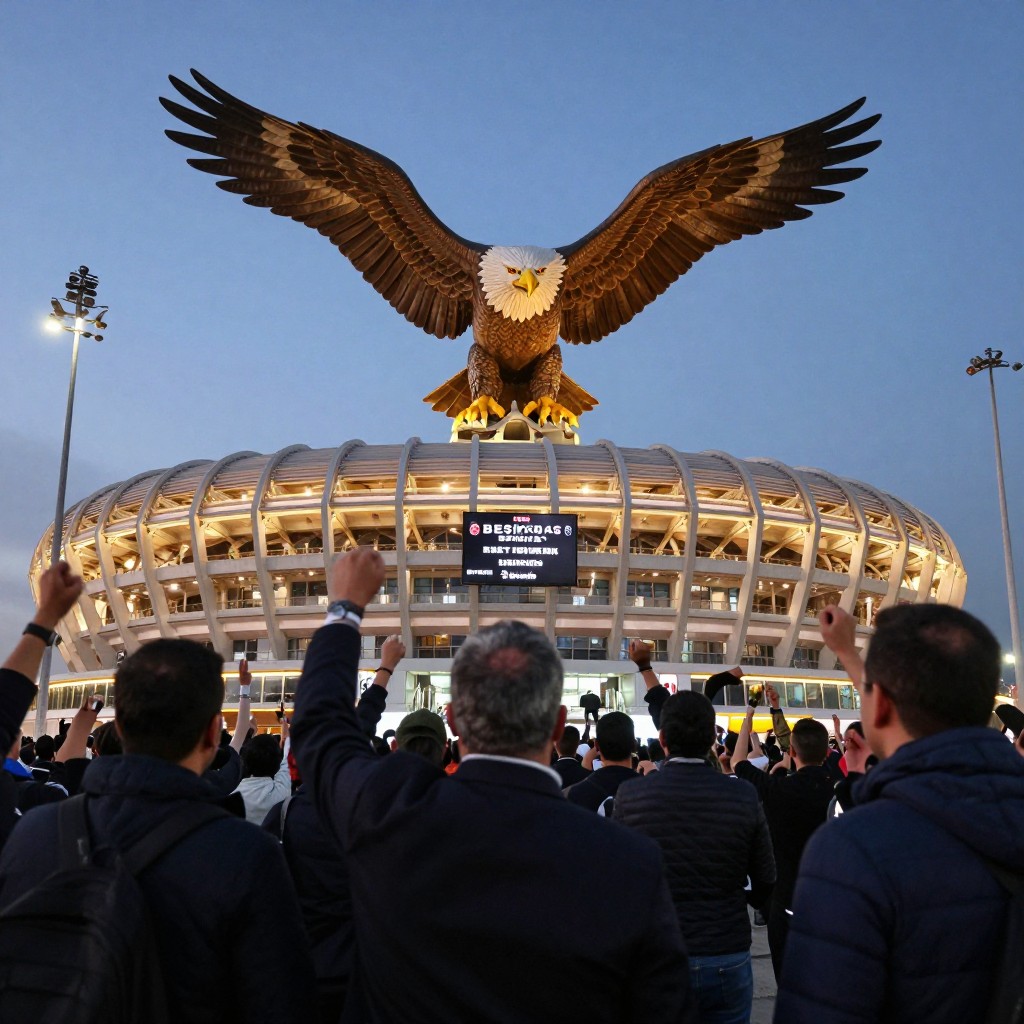
Beşiktaş Sets Its Sights on a Financial Turnaround
Beşiktaş has reported a major shift in its financial position, with new revenue initiatives and the proposed Dikilitaş project helping the club move beyond a period marked by heavy debt and pressure from exchange-rate fluctuations.
According to figures presented at the General Assembly, the club’s budget plan for the 1 June 2025-31 May 2026 financial year exceeded its target by 4.3 billion Turkish lira. Beşiktaş’s total assets were reported at 28.4 billion lira, a development that the club’s leadership sees as a way to ease financial constraints and create greater stability for the future.
The improvement has been linked to several sources of income, including ticket sales, sponsorship agreements and the Dikilitaş project. Together, these measures have given the club more room to manage its obligations and plan ahead, although the reported figures alone do not show how quickly Beşiktaş can reduce its debt or build lasting financial resilience.
Club president Serdal Adalı has refreshed the board as Beşiktaş prepares for its next phase. At the General Assembly, General Secretary Uğur Fora presented the financial data for the year ending 31 May 2026, offering members a clearer picture of the club’s finances and the changes underway.
The scale of the reported increase is significant for a club that has faced both a substantial debt burden and the impact of currency movements. When obligations are denominated in foreign currencies, exchange-rate shifts can raise costs and make long-term budgeting more difficult. A stronger income base can help reduce that pressure, provided the club maintains control over spending.
Ticket revenue remains closely tied to sporting performance, attendance and pricing decisions. Sponsorship income, meanwhile, can offer a more predictable source of funding, especially when agreements are structured over several seasons. For Beşiktaş, expanding these commercial revenues could help lessen dependence on player sales or short-term borrowing.
The Dikilitaş initiative is another important element of the club’s financial plans. Projects of this kind can generate substantial income, but their value depends on implementation, timing and the terms under which revenue is secured. The project’s contribution should therefore be assessed alongside its costs and the club’s wider financial commitments.
Beşiktaş’s reported asset total also needs to be considered in context. Assets indicate the scale of the club’s holdings, but they are not the same as available cash. A club can own valuable property or other assets and still face difficulties meeting near-term payments, making cash flow and debt management essential measures of financial health.
The next test will be turning the current improvement into a sustainable model. Clear reporting, realistic budgets and careful monitoring of operating costs can help ensure that additional income strengthens the club rather than simply covering new expenses. Consistency will matter as much as the headline figures.
Financial stability could also support Beşiktaş’s ambitions on the pitch. A more predictable budget may help the club plan recruitment, invest in its sporting structure and avoid decisions driven by immediate financial pressure. However, success will depend on balancing competitiveness with responsible spending.
For supporters, the figures offer grounds for cautious optimism: the club says it has improved its financial position and expanded its asset base. Whether this becomes a lasting turnaround will depend on the delivery of planned projects, continued revenue growth and disciplined management of debt in the years ahead.