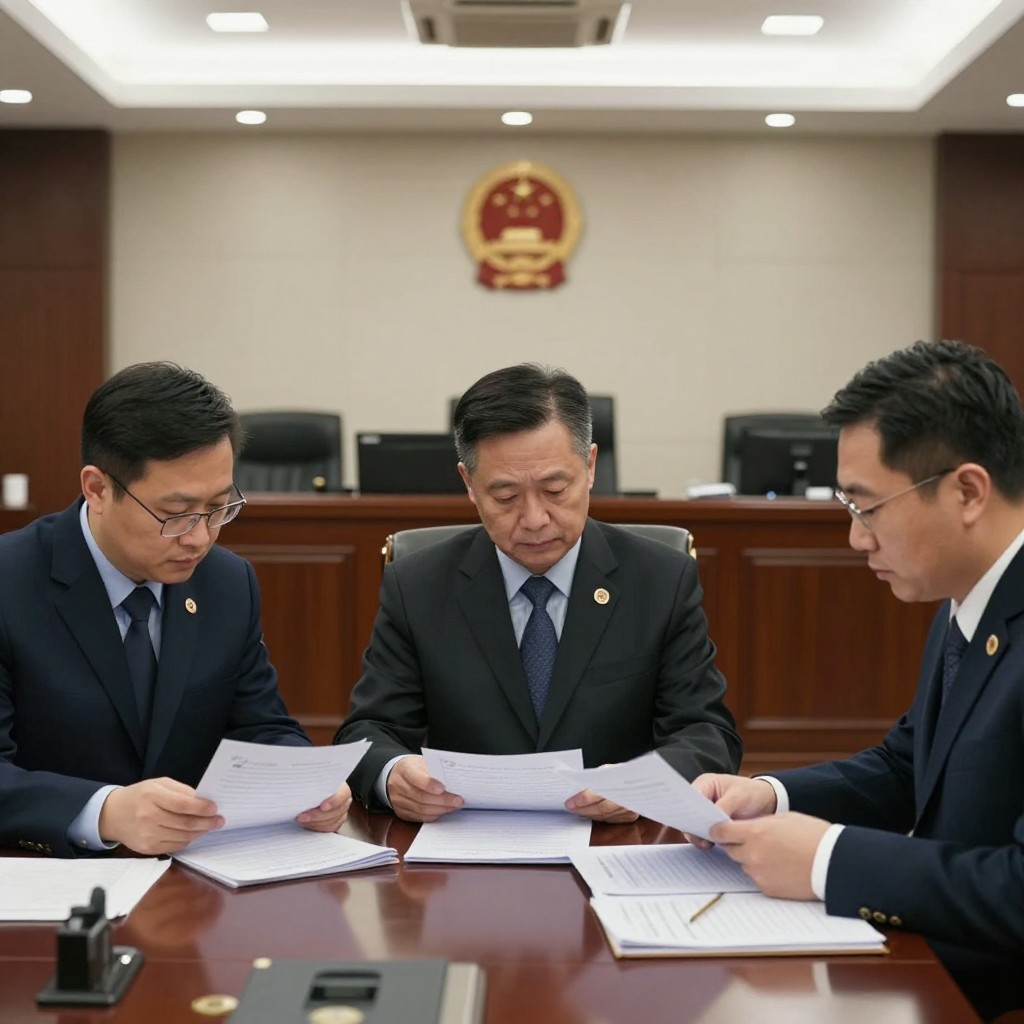
Minister Gürlek Says Three More Unsolved Criminal Cases Have Been Clarified
Justice Minister Akın Gürlek has announced progress in three criminal investigations that had remained unresolved for 11, 15 and 19 years. He said the cases were brought forward through coordinated work led by the Ministry of Justice’s Department for the Investigation of Unsolved Crimes, together with public prosecutors, the police and the gendarmerie.
In his statement, Gürlek credited the outcome to the careful efforts of the teams involved. The announcement did not identify the cases or provide details about the victims, locations, suspects or evidence. It also did not specify what “clarified” means in each investigation or whether prosecutions or arrests have followed.
The cases had been awaiting resolution for more than a decade. Their different timelines-11, 15 and 19 years-illustrate how investigations can remain open long after the original crime, while new coordination or a renewed examination of evidence may help move them forward.
The department named by the minister is responsible for coordinating efforts to review unsolved crimes. Such work can involve prosecutors and law-enforcement agencies comparing information gathered at different stages, assessing existing evidence and identifying investigative steps that may not have been available earlier. However, no specific methods or breakthroughs were described in this announcement.
Revisiting an old case does not necessarily mean that investigators have discovered entirely new evidence. A fresh assessment may also help connect records, clarify earlier findings or determine which leads require further examination. The minister’s statement did not explain which, if any, of these developments contributed to the three cases being clarified.
The involvement of both the police and the gendarmerie reflects the role of multiple institutions in criminal investigations. Their responsibilities can vary according to the circumstances of a case, while public prosecutors direct investigations within their jurisdiction. The ministry’s department, as described by Gürlek, coordinates the broader effort to address unresolved files.
The announcement is significant for the families affected by long-running cases, for whom the lack of answers can persist for years. Still, without further information, it is not possible to assess the outcome in each file or determine whether all questions surrounding the crimes have been settled. A case being described as clarified should not, on its own, be taken as confirmation of a final court ruling.
Further updates could establish what evidence led investigators to make progress, whether suspects have been identified and what legal steps may follow. Until such details are released, the information available is limited to the minister’s statement: three previously unresolved criminal files, outstanding for 11, 15 and 19 years, have been clarified through coordinated work by the justice system and law-enforcement agencies.
Gürlek’s announcement adds three cases to the ministry’s reported efforts to address unsolved crimes. It does not provide a broader total, a timetable for future reviews or details of other files currently under examination. For now, the central point is the reported resolution of three investigations that had remained open for many years.