Turkish Authorities Arrest U.S. Crypto Fraud Suspect Wanted by Interpol
Turkish Justice Minister Akın Gürlek has announced the arrest in Istanbul of U.S. citizen Richard James Schueler, who is suspected of involvement in alleged cryptocurrency fraud in the United States and Finland valued at approximately $1 billion. According to the minister, an Interpol red notice had been issued for Schueler in connection with the case.
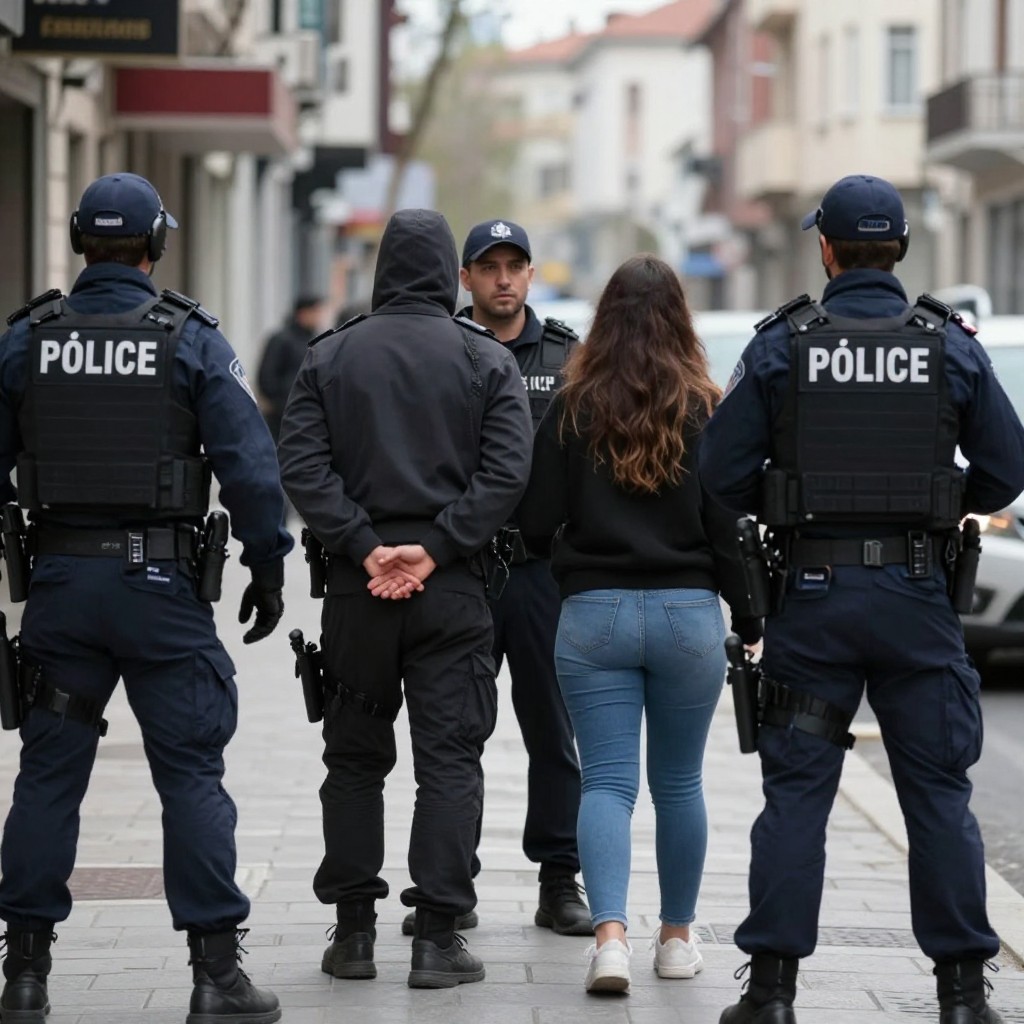
Schueler and his wife were detained during an operation in Istanbul’s Beşiktaş district on October 14, 2026. Three additional people, identified by investigators as members of Schueler’s security detail, were also taken into custody as the inquiry continued.
The operation was coordinated by the Istanbul Chief Public Prosecutor’s Office. Istanbul police units responsible for intelligence and financial crimes carried out the work with support from Türkiye’s National Intelligence Organization, Gürlek said. Investigators had established that Schueler was in Istanbul before moving to detain him.
Searches were conducted at 15 addresses across Beşiktaş, Üsküdar and Sarıyer. Officials reported seizing $7.15 million in cash, 160,000 Turkish lira and six cold-storage cryptocurrency wallets. The searches also uncovered a large collection of personal and electronic property, including 300 bags, 100 pairs of shoes, 136 pairs of glasses, 28 wristwatches and 97 pieces of jewelry, along with other valuables.
Investigators also took 29 mobile phones, 12 laptops, 11 computer towers, 19 solid-state drives or external storage devices, 46 USB drives and 19 graphics cards. Authorities said the searches additionally yielded four long-barrelled rifles, three unlicensed handguns and 1,400 rounds of ammunition.
The seized items are now subject to examination, while legal proceedings involving the detained individuals remain underway. Gürlek thanked the prosecutor’s office, the police teams, the National Intelligence Organization and other public officials involved in the operation. He said Türkiye would not allow the country to become a safe haven for people seeking to evade justice and would continue strengthening international cooperation against cross-border crime.
What the arrest means-and what it does not
An arrest based on an international notice is a significant step in a cross-border investigation, but it is not proof of guilt. The allegations against Schueler have not been established in court, and the outcome will depend on the evidence and the legal process. The reported value of the suspected fraud is likewise an allegation connected to the case, rather than a finding of criminal liability.
The next stages may involve formal judicial review and decisions about the requests made by the authorities seeking Schueler. The announcement does not specify whether an extradition application has been submitted, what charges have been filed in each country, or when any transfer might take place. Such matters are handled through legal and diplomatic procedures, and their timing can vary.
The devices and storage media seized during the searches could be important to the investigation. Digital records may help investigators trace communications, transactions and links between accounts, but their contents must be examined and assessed in accordance with applicable legal procedures. The discovery of cryptocurrency wallets does not, by itself, establish who controlled them or whether they contain assets connected to the alleged offences.
The reported cash, valuables and weapons may also form part of the authorities’ inquiry. Investigators typically need to establish the ownership, source and relevance of property before drawing conclusions about its connection to a suspected crime. Seizure during a search should therefore be distinguished from a final decision to confiscate assets.
Cryptocurrency cases can span several countries because digital transactions may move across platforms, services and jurisdictions. Cooperation between law-enforcement agencies can help preserve records and identify the movement of funds, while financial-crime specialists examine whether specific transactions are linked to suspected fraud. The exact methods used in this investigation have not been made public.
For now, Turkish authorities say that both the legal proceedings and the analysis of seized materials are continuing. Further conclusions about the alleged scheme, the role of each detained person and the fate of any assets will depend on the evidence gathered and decisions made by the relevant courts.