Without the Cold, There Is No Norwegian Football
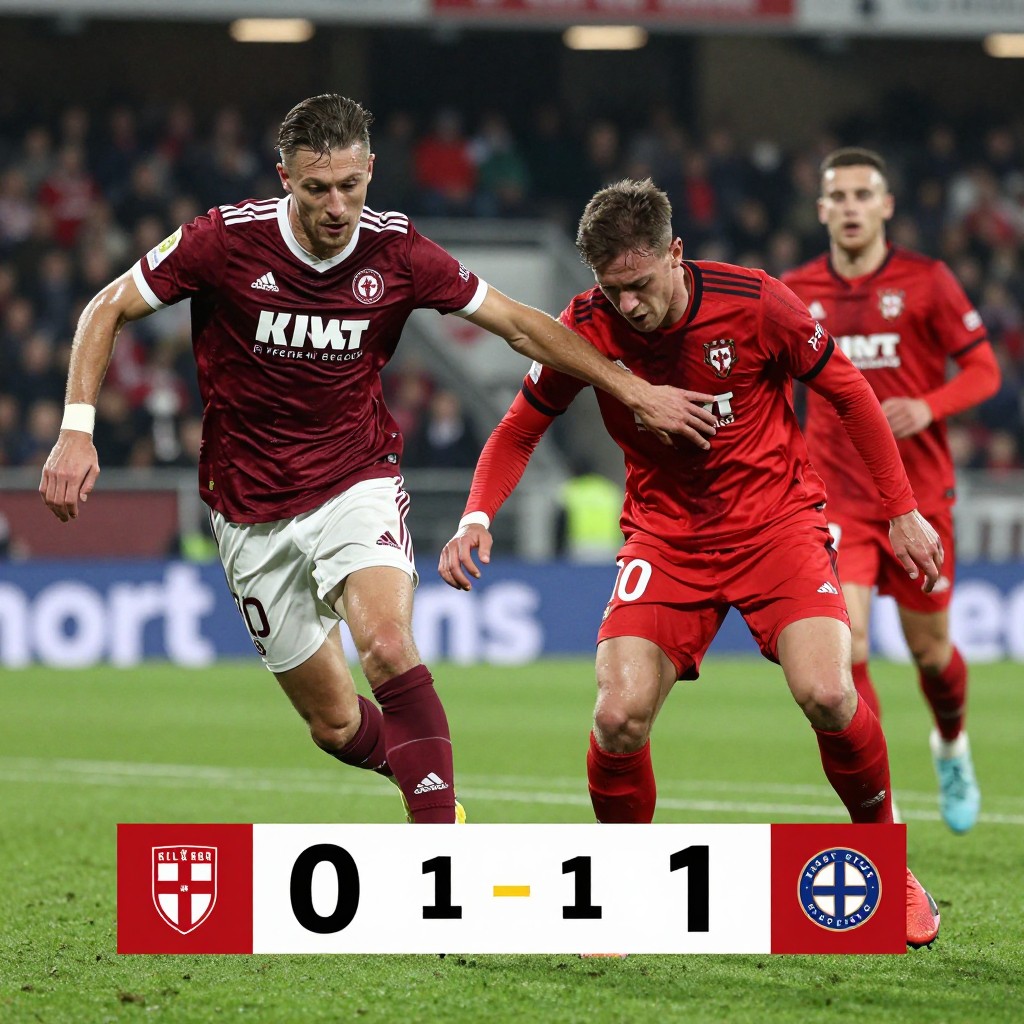
Norwegian football once again offered a match defined by intensity, physical strength and a relentless tempo. Lillestrøm hosted Portugal’s Torreense in a tightly contested encounter, but the home side could not turn its effort into a positive result. After 90 demanding minutes, Torreense secured a 2-1 victory and left Norway with all three points.
The game remained balanced for long periods. Lillestrøm attempted to use home advantage and put pressure on the Portuguese defense, while Torreense looked dangerous whenever it found space behind the Norwegian back line. The visitors were more efficient in the decisive moments, and that difference ultimately determined the outcome.
Although Lillestrøm suffered defeat, the match reflected several familiar features of Norwegian football: high physical intensity, direct attacks and a willingness to compete until the final whistle. The cold conditions were not merely a backdrop; they added another layer of difficulty to a game in which both teams had to cope with demanding weather and a rapidly changing rhythm.
Torreense’s success was built on discipline. The Portuguese team avoided unnecessary risks, defended compactly and waited for opportunities to exploit gaps. Lillestrøm, meanwhile, created enough pressure to remain in the contest but struggled to maintain the same level of concentration throughout the entire match.
The 2-1 scoreline also showed how narrow the margin can be in European football. A missed chance, a defensive mistake or a moment of hesitation can completely change the direction of a match. Torreense capitalized on those moments more effectively than its opponent.
For Lillestrøm, the result is a reminder that domestic experience alone is not enough on the international stage. Norwegian clubs must adapt to different tactical approaches, sharper transitions and opponents who are often more patient when building attacks. The ability to control the game under pressure will be crucial in future fixtures.
Torreense, on the other hand, can take confidence from an away win achieved in difficult circumstances. The Portuguese side demonstrated composure, resilience and attacking efficiency. Winning in Norway is rarely straightforward, especially when the weather affects the pace and physical demands of the game.
The match also highlighted the importance of squad depth. In cold conditions, players are required to cover more ground, challenge aggressively and remain focused despite fatigue. Coaches must therefore manage substitutions carefully, because the final stages of a match can be decisive.
For Norwegian football, such encounters remain valuable even when the result is disappointing. Games against foreign opponents reveal weaknesses that may be hidden in domestic competition. They also provide young players with experience against unfamiliar styles and greater tactical pressure.
Lillestrøm will need to improve its finishing and defensive coordination if it wants to avoid similar setbacks. Creating chances is not enough; those opportunities must be converted, while defensive lines need to remain organized during transitions.
Ultimately, the 2-1 defeat was not simply a story about the weather or the final score. It was a contest between two different football cultures, and Torreense managed to impose its strengths at the most important moments. In Norway, the cold may test every player, but concentration, tactical discipline and efficiency decide who celebrates at the end.