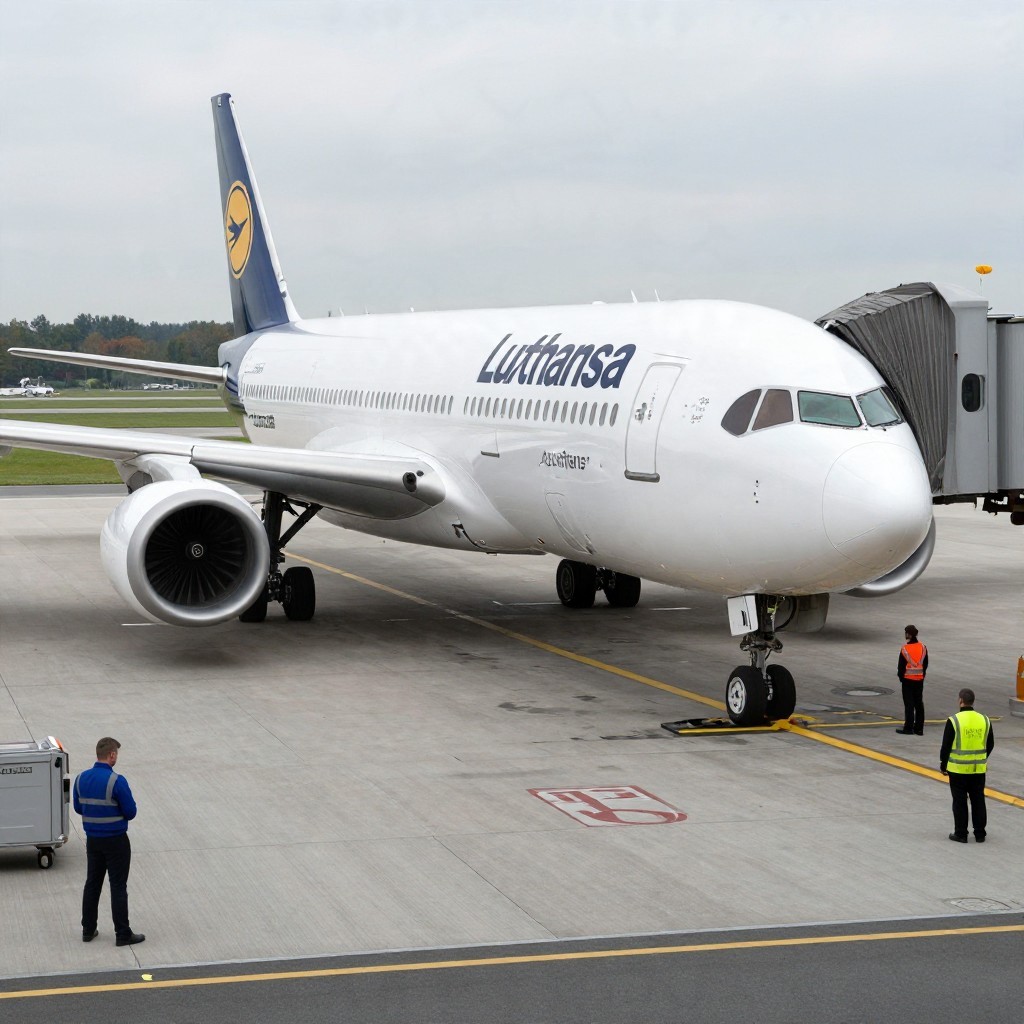
Lufthansa Plans Capacity Cuts and 1,000 Job Losses as Losses Mount
Lufthansa is preparing further cost-cutting measures after reporting an operating loss of €180 million-about $197.5 million-for the first nine months of 2026. The German airline says it intends to reduce capacity on short- and medium-haul routes and is considering eliminating 1,000 full-time positions at its Frankfurt and Munich hubs.
The proposed job cuts were outlined in a letter to employees from chief executive Jens Ritter and four other senior managers, according to the report. The company has not yet specified when the redundancies would take place or which roles and departments could be affected. It is also unclear whether the planned reductions are part of an earlier restructuring programme or an additional measure.
Management has warned that steps taken over the past two years have not been enough to restore the airline’s financial performance. Lufthansa’s leadership points to several pressures: conflict in the Middle East, persistently expensive jet fuel, nine days of strikes this year and the company’s already high operating costs.
The reported loss amounts to an average of roughly €20 million per month over the nine-month period. That figure helps explain why management is looking beyond existing savings efforts and considering changes to both its network and workforce. However, the announcement does not yet provide a detailed schedule for implementing the plans.
The capacity reductions are expected to focus on short- and medium-distance services. Lufthansa is also reviewing the size and composition of its aircraft fleet, including plans to reduce the number of Airbus A320-family jets. Some aircraft could be replaced by smaller Airbus A220s, which may allow the airline to match capacity more closely to demand on selected routes.
A change in aircraft type does not automatically mean that every affected route will be cancelled. Airlines can use smaller planes to maintain service while offering fewer seats per flight, or adjust the number of departures. Lufthansa has not disclosed which destinations, frequencies or timetables could be affected, so the scale of any changes for passengers remains uncertain.
The company’s hubs in Frankfurt and Munich are central to the proposal because they support a large share of its operations. Yet the available information does not identify which types of jobs might be cut. The final impact could depend on how the airline reshapes its schedule, fleet and internal operations.
For employees, the lack of detail means that the immediate consequences are difficult to assess. The number announced is a planned reduction in full-time positions, not a published list of individuals or job categories. Further information from the company would be needed to clarify the process, timing and possible support for affected staff.
For travellers, the main issue to watch is whether fewer flights or smaller aircraft lead to changes in departure options. Passengers with upcoming bookings should rely on the latest information in their reservation and check for updates from the airline, particularly if their journey includes a connection through Frankfurt or Munich.
The financial results also underline the broader challenge facing European carriers: balancing high operating expenses with uncertain demand and disruption. Jet-fuel prices, labour disputes and geopolitical developments can all affect costs and schedules, while fleet decisions often take time to translate into measurable savings.
Lufthansa has not yet published a complete implementation plan for the proposed cuts. Until it does, the precise effects on employees, routes and customers remain open. The company’s next announcements should clarify whether the 1,000 positions are included in earlier restructuring measures and how quickly the planned capacity changes will take effect.