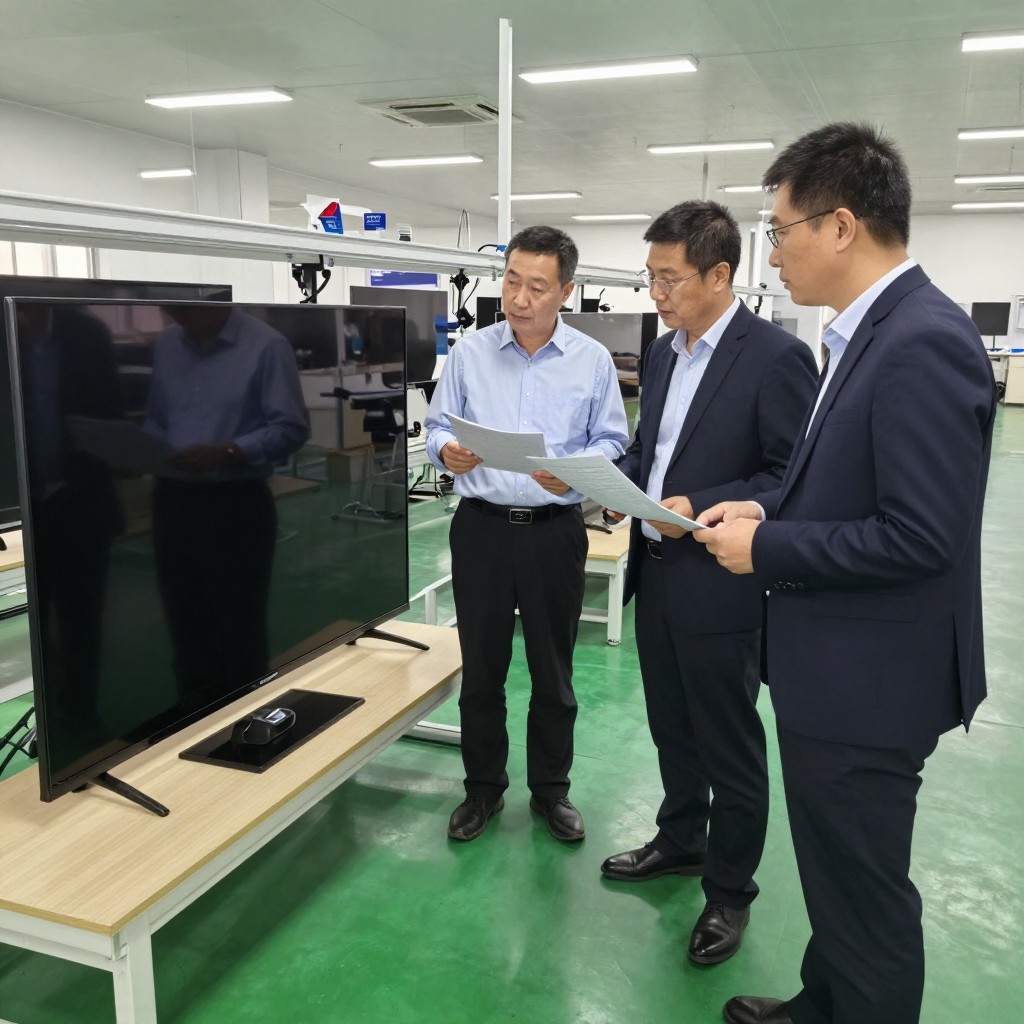
Vestel Shifts from Volume to Value as Debt Talks Continue
Vestel Elektronik is preparing for a prolonged period of financial and competitive pressure, and is rethinking the business model that made it one of Türkiye’s best-known electronics manufacturers. Rather than prioritising production scale, the company plans to focus on more profitable products and markets while negotiating changes to its debt.
The proposed restructuring concerns Vestel’s $500 million in bonds due in 2029. Bondholders are being asked to choose between accepting a 45% reduction in the amount owed or extending the maturity by six years. Chief Executive Officer Gökhan Sığın says the deal is intended to give the company time to adjust to sustained competition abroad and higher operating costs at home.
“We are not assuming that the old conditions will return,” Sığın said. He expects competition from Asian manufacturers to remain intense and Türkiye’s cost base to have changed permanently. Vestel is therefore adapting its operations to the conditions it faces now, rather than relying on a recovery in the broader market.
The restructuring follows a prolonged deterioration in earnings and liquidity. Vestel reported losses for 10 consecutive quarters, from 2024 through the second quarter of 2026. Its 2029 bonds have traded at around 25 cents on the dollar, while the company’s shares have fallen 45% this year to their lowest level since 2020.
For decades, Vestel built its position through high-volume manufacturing. It is among Europe’s largest television producers and one of Türkiye’s major exporters of electrical and electronic goods. The company also manufactures products for other brands as an original equipment manufacturer. Now, under its parent company Zorlu Holding, Vestel is moving away from growth measured primarily by output.
The new direction means investing more heavily in household appliances and being more selective in consumer electronics, including televisions, where price competition has squeezed returns. Sığın says the aim is to prioritise products and customers that can generate stronger value, rather than pursue sales volume at any cost.
Several forces have contributed to the pressure on the business. After the pandemic, Chinese producers redirected excess output to Europe, intensifying competition. High energy prices, elevated interest rates and weak demand also weighed on the region. In Türkiye, the company has faced a 37% policy rate, a strong lira in real terms and rising minimum-wage costs.
Vestel is responding by simplifying its operations, cutting fixed expenses and improving factory efficiency. It intends to expand sales under its own brand in Türkiye, where its distribution network gives it greater influence over pricing, while continuing to manufacture for customers overseas.
The company is also looking for growth beyond its most exposed product categories. Its mobility division is developing megawatt-scale charging technology for heavy electric vehicles, while energy storage is another area Vestel views as a potential growth market. Through the Finlux brand and partnerships, it is also seeking opportunities in the US household-appliance market.
Alongside the Eurobond negotiations, Vestel is in separate discussions with a group of Turkish banks to restructure domestic debt. The company has requested a two-year grace period for principal and interest payments, with final repayment in 2041. Sığın described the talks as constructive but did not give a timetable. Vestel hopes to complete the bond agreement before the coupon payment due on 15 November.
Bondholders have agreed to temporarily waive certain default provisions and suspend some covenants while negotiations continue. Moody’s cited these changes when it downgraded Vestel’s corporate family rating from Caa3 to Ca on 2 October and lowered the rating on the 2029 bonds to C, its lowest rating. The agency said the changes could allow the company to take on substantial additional debt and potentially reduce recoveries for existing creditors as Vestel faces operational and liquidity pressures.
The company is also adjusting its workforce. Local media have reported that Vestel dismissed hundreds of employees this year. Sığın confirmed that staffing changes had taken place but did not verify the reported figures. He said Vestel has no current plan to close factories or undertake a large-scale consolidation.
“Our priority today is not to reduce capacity, but to use it more efficiently,” Sığın said. A recovery in consumer demand or a more favourable interest-rate environment could provide support, he added, but Vestel is not building its strategy on the assumption that external conditions will improve.
For investors and bondholders, the restructuring terms matter because the two options distribute the burden differently. A principal reduction would lower the debt balance immediately but leave creditors with a smaller claim. A maturity extension would preserve more of the stated principal while postponing repayment. The outcome will depend on the final agreement and the choices available to bondholders.
For suppliers and customers, the shift towards efficiency and higher-value products may bring changes in production priorities, procurement and product ranges. Vestel’s stated intention to maintain overseas manufacturing relationships suggests that its original-equipment business remains part of the plan, even as the company becomes more selective about the work it takes on.
The strategy will also require more than cost-cutting. To make a “volume to value” transition successful, Vestel will need to improve margins, manage cash carefully and show that investment in areas such as charging and energy storage can develop into sustainable business. These priorities are especially important while debt talks are ongoing and access to liquidity remains constrained.
Vestel’s immediate challenge is to secure an agreement with creditors while continuing to adapt its operations. Its longer-term test will be whether a leaner business, stronger emphasis on appliances and new technology fields can deliver more resilient returns in a market where low-cost competition and high domestic expenses are expected to persist.