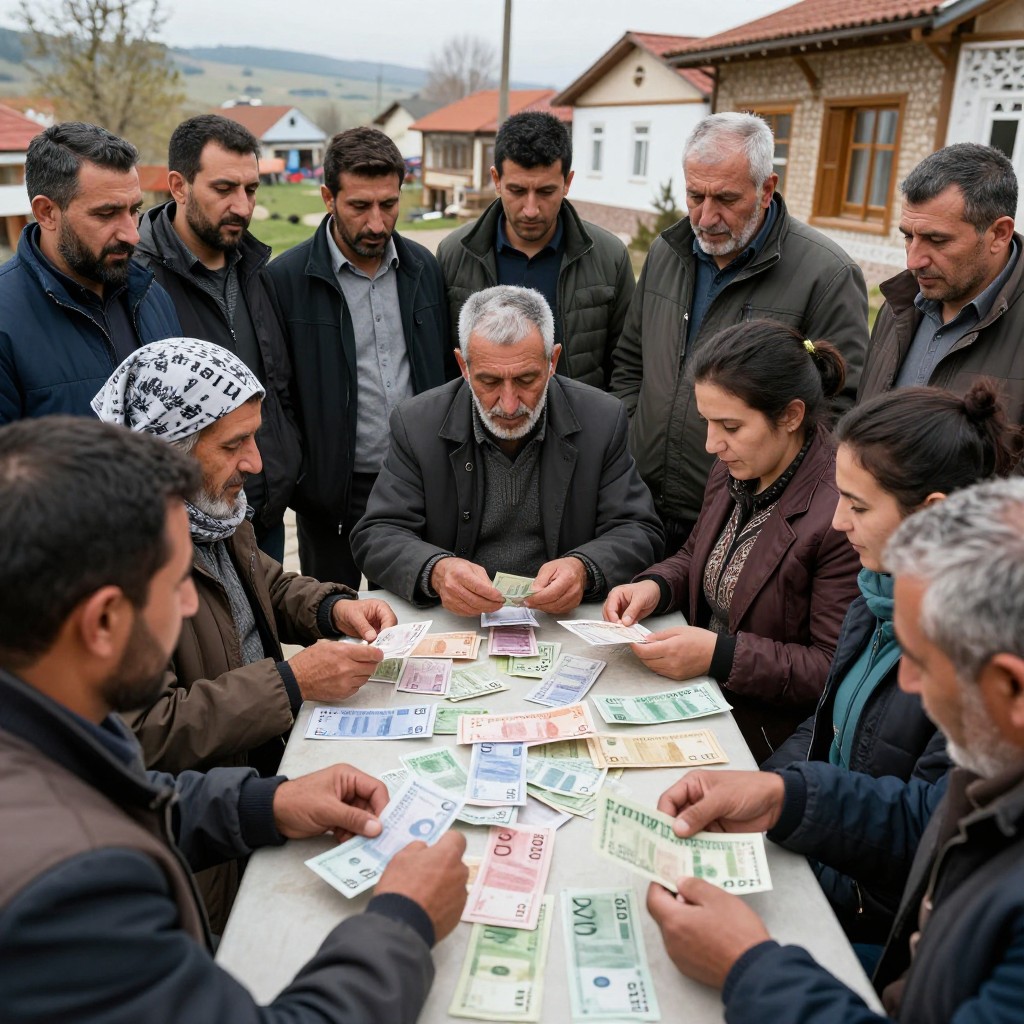
A Village Where Everyone Is an Öztoprak – and Even the Bills Get Mixed Up
In Karacanlık, a neighbourhood in Reyhanlı district of Hatay, a shared surname is part of everyday life. Nearly all local residents are called Öztoprak, a family connection traced to two grandfathers, Hasan and Tahir. With so many people bearing the same surname – and sometimes similar first names as well – identifying the right person can take more than a name.
The neighbourhood lies about 30 kilometres from Reyhanlı’s centre. Apart from public officials, residents are said to share the Öztoprak surname. To avoid confusion, families often use a person’s second given name or identify them by their father’s name. In conversation, someone might be distinguished as “Ahmet Halit’s son” or “Yakup Halit’s son” rather than simply by a first and last name.
The need to tell people apart can begin at birth. Some parents give their children two first names, choosing combinations such as Ahmet Mustafa or Mehmet Mustafa. Others opt for names including Efnan and Arya. A second name can help distinguish neighbours who would otherwise have nearly identical names, though relatives may still rely on family details to be certain.
On official paperwork, the Turkish national identity number provides a reliable way to differentiate between people with matching names. In day-to-day situations, however, residents say that checks are not always made – with occasional consequences for household bills.
“Sometimes I pay someone else’s bill, and sometimes someone else pays mine,” resident Ahmet Öztoprak said. He explained that neighbours may only realise a payment has gone to the wrong account when they later compare their bills. In some cases, they discover the mix-up by checking the details through e-Devlet, Turkey’s online government services system.
The confusion can arise when someone pays without first checking the account or identity information carefully. Because several residents have the same surname and may also share familiar first names, a quick assumption can lead to one family member settling another person’s bill. The households then compare what was paid and work out who owes what.
Karacanlık takes its name from karacan trees, according to local accounts. Residents have lived there since the 1950s, and the neighbourhood’s families are linked through the two grandfathers. Its close-knit family ties help explain why the same surname is so widespread, but they also make precise names and family references especially useful.
Before the earthquakes of 6 February 2023, Karacanlık had around 150 households. Some families left for other parts of Hatay, including Reyhanlı, Antakya and Kırıkhan, after the disaster. The population has since fallen. Local accounts put the number of people still living in the neighbourhood at around 180 to 185, while the broader estimate is about 200.
Neighbourhood head Ali Öztoprak said residents’ shared ancestry and the prevalence of similar names sometimes create difficulties. Giving children a second name, he explained, is one way families try to make everyday identification easier. The practice complements the use of fathers’ names, which can help neighbours clarify exactly which person they mean.
For residents, the system is less a formal rule than a familiar local habit: use a second given name, mention a father’s name, or provide another family detail when needed. Those distinctions matter particularly when arranging payments, discussing household matters or asking about someone who is known by a common first name.
The surname is not limited to Karacanlık, Ahmet Öztoprak noted. Öztopraks also live in other neighbourhoods, so a name alone may not be enough to identify someone. Residents may need to explain which family or location they mean before a person can be identified correctly.
In a place where one surname connects nearly everyone, a small detail can make a significant difference. A father’s name or an additional given name may prevent a conversation from going astray – and, as residents have learned, could also help make sure the right household pays the right bill.