Russia and Ukraine Issue Statements After Istanbul Peace Talks
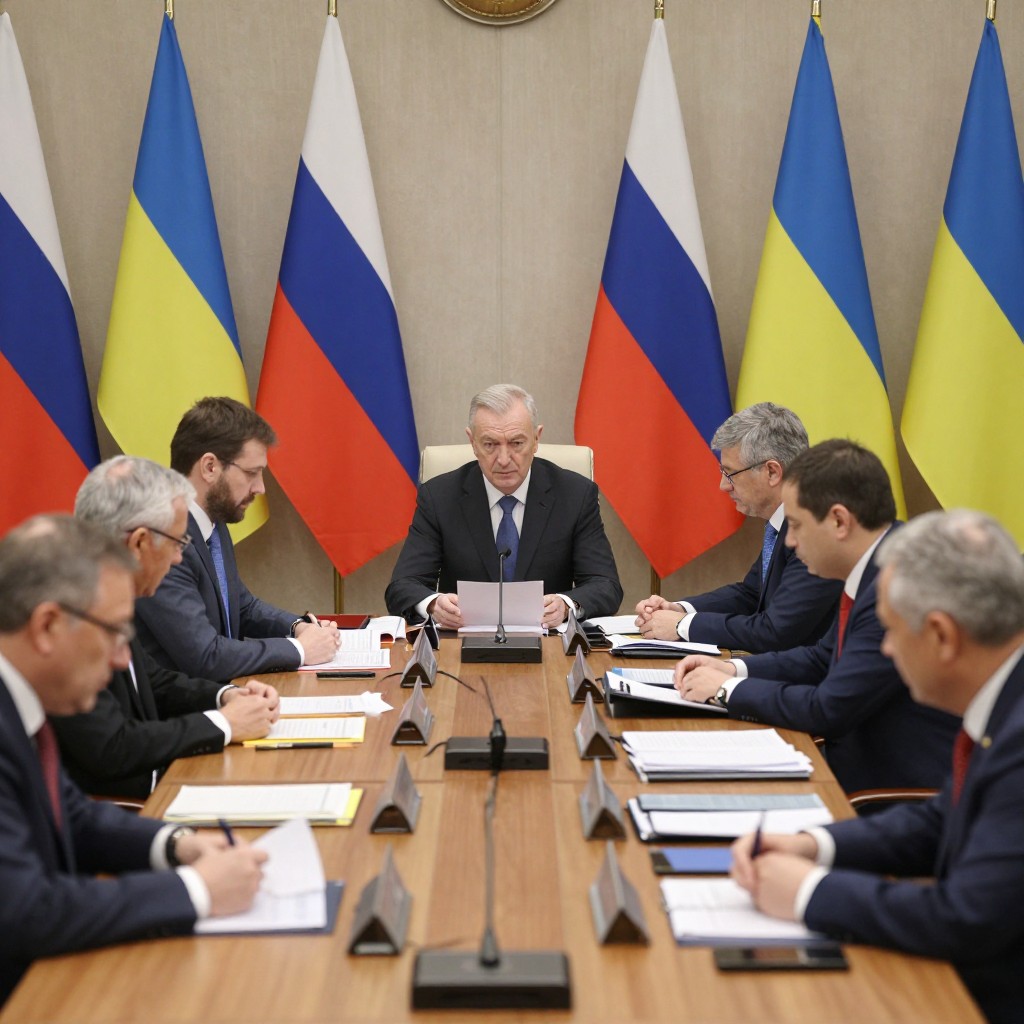
Russian and Ukrainian delegations met in Istanbul for peace negotiations for the first time in three years. The talks took place at the Dolmabahçe Presidential Office as part of a trilateral meeting involving Türkiye, Russia and Ukraine. Afterward, representatives from both sides described the issues discussed and outlined what they expect to happen next.
Vladimir Medinsky, an aide to Russian President Vladimir Putin who led Moscow’s delegation, said Russia was broadly satisfied with the outcome and prepared to continue contacts. He added that the two countries would set out their positions on a possible ceasefire in detail, after which negotiations could proceed.
Medinsky also announced plans for a large prisoner exchange. According to the Russian delegation head, the sides intend to exchange 1,000 people for 1,000 people in the coming days.
Ukraine’s Defence Minister Rustem Umerov confirmed that the two countries had reached an agreement on a 1,000-for-1,000 exchange. Speaking after the meeting, he said the discussions covered a ceasefire, the return of prisoners and the possibility of a future meeting between the countries’ leaders.
Umerov said officials were also considering different arrangements for carrying out the exchange. The negotiating teams remain in contact, he noted, and are expected to exchange documents. Ukraine will provide further information about the next stage once those discussions have advanced.
The Ukrainian side also stressed that a prisoner swap should now be carried out as agreed. The scale of the planned exchange makes implementation a central near-term task for both delegations, although officials did not provide further operational details in their public remarks.
Heorhii Tykhyi, spokesperson for Ukraine’s Foreign Ministry, said the next round of talks should take place at leadership level. He also described some of Russia’s positions at the Dolmabahçe meeting as unacceptable, while saying Kyiv had maintained its composure during the discussions.
The statements reveal both common ground and continuing disagreement. The proposed prisoner exchange is a concrete commitment reported by representatives from both countries. At the same time, their remarks indicate that major questions-including the terms of a possible ceasefire-remain under discussion.
Medinsky’s comments suggest that Moscow expects each side to present its approach to a ceasefire before negotiations continue. Umerov, meanwhile, confirmed that the issue was addressed alongside the exchange of prisoners and a possible leaders’ meeting. Neither side, however, announced a ceasefire agreement in its post-meeting statements.
The call for talks between national leaders signals Ukraine’s preference for moving negotiations to a higher political level. Kyiv’s position is that a leaders’ meeting should be the next step, while the delegations’ public comments do not establish that such a meeting has been scheduled.
For now, the most immediate outcome to watch is whether the agreed prisoner exchange proceeds. The sides have said they will remain in contact and continue working through the details. Further progress will depend on implementing that arrangement and determining whether the two governments can narrow their differences over a ceasefire and the format of future negotiations.