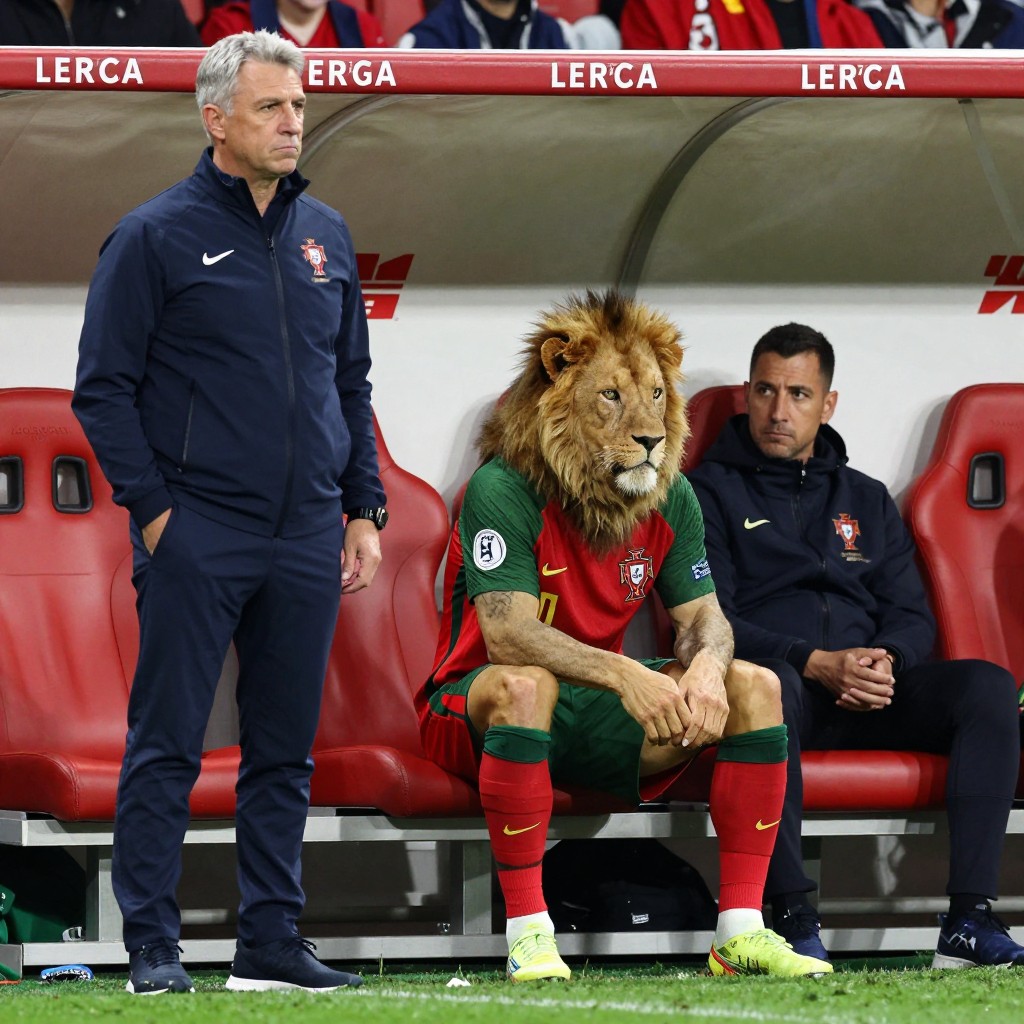
Leão Has Jesus to Thank: Galatasaray Fans Are Glad He Stayed on the Bench
Portugal claimed a 2-1 victory over Norway in their latest Nations League match, but one decision attracted particular attention from Galatasaray supporters: Jorge Jesus did not send Leão onto the pitch.
For fans of the Istanbul club, the unused substitute was welcome news. With the season demanding a heavy schedule from top players, every match avoided can mean extra time to recover. Supporters were pleased that Leão did not add another 90 minutes-or even a brief spell-to his workload.
The reaction was less about questioning the player’s quality than about protecting his fitness. International fixtures can be physically demanding, and the risk of fatigue or injury is an ongoing concern for clubs whose key players are regularly called up. From that perspective, Leão’s absence from the match was a relief.
Portugal still secured the result without him, beating Norway 2-1. The win allowed the team to continue its Nations League campaign while giving the forward a chance to rest. For Galatasaray fans following the situation, that balance was close to ideal: Portugal earned the victory, and Leão avoided unnecessary exertion.
A player’s minutes during an international break can matter just as much to his club as his performances for the national team. Travel, training sessions and competitive matches can leave little time for recovery before domestic fixtures resume. Even when a player is not injured, fatigue may affect sharpness and raise the possibility of a problem later.
That is why supporters often monitor national-team line-ups closely. A short appearance may seem harmless, but it can add to an already demanding season. When a prominent player is left out, fans may see it as a practical benefit-particularly if important club matches are approaching.
The decision also highlights the challenge facing national-team coaches. They must pursue results while managing the fitness of their squads, balancing the value of a player’s contribution against the need to avoid overuse. Portugal’s 2-1 win showed that the team could get the job done on this occasion without bringing Leão into the game.
For Galatasaray supporters, the outcome offered a simple reason to be satisfied: their preferred player was spared extra minutes, and Portugal still came away with the victory. The match therefore delivered a positive result for both the national side and those watching Leão’s workload from a club perspective.
The wider debate around player fatigue is not limited to international football. Top professionals may face league games, cup ties and national-team commitments across a single season. Clubs and coaches must keep track of recovery time, training intensity and physical condition to reduce the danger of injuries and dips in performance.
Rest does not guarantee that a player will remain injury-free, but sensible workload management can help. Coaches may rotate their line-ups, limit minutes or leave a player unused when they believe the team can cope without him. Such choices can frustrate fans eager to see their stars on the field, yet they can also protect a player’s readiness for the matches ahead.
In Leão’s case, the unused appearance became the story for many Galatasaray followers. Portugal’s victory mattered, but so did the fact that the forward was not called upon. Their message was straightforward: a win for the national team is good news, and a rested player returning to club duties is better still.