MHK Chief Ferhat Gündoğdu Arrested in Referees Investigation
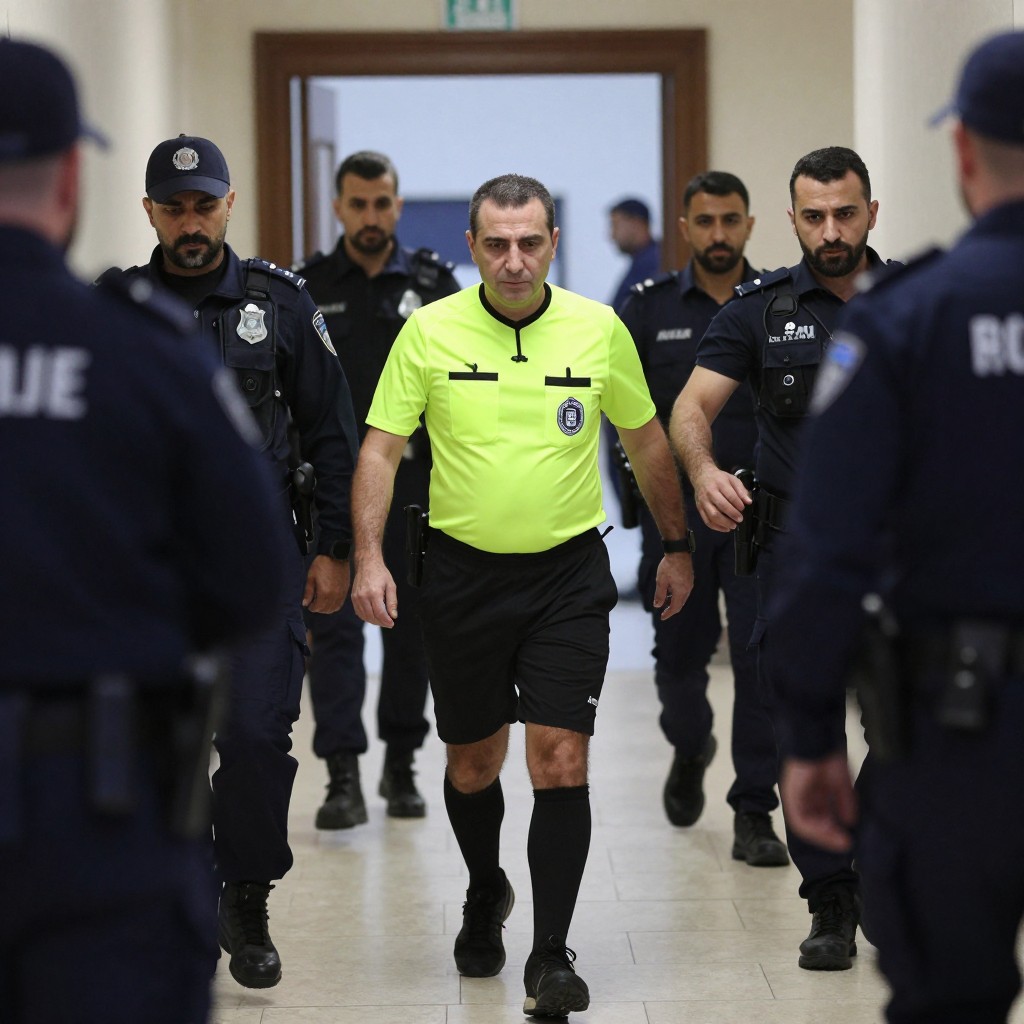
Ferhat Gündoğdu, head of Türkiye’s Central Refereeing Committee (MHK), has been arrested as part of an investigation into alleged crimes connected with football refereeing. Four other suspects were also taken into custody, while two were released under judicial control.
The case, referred to as the “Referees File” investigation, is being conducted by the Istanbul Chief Public Prosecutor’s Office unit responsible for illegal betting and sports-related offences. Authorities are investigating allegations including the falsification of official documents, breach of trust and the unlawful acquisition of personal data. The investigation has also examined allegations of ill-treatment and document forgery.
Police completed questioning the seven suspects named in the arrest request at the Financial Crimes Department of the Istanbul Police Directorate. After undergoing medical examinations, they were taken to the Istanbul Courthouse in Çağlayan. Following their statements to prosecutors, all seven were referred to court with a request for pre-trial detention.
The court ordered the arrest of Gündoğdu, Ferhat Karadoruk, Emre Kosif, Yunus Yıldırım and Alican Sağlar. Former MHK deputy chairman Ahmet Şahin and TFF Education and Fourth Region official Sebahattin Şahin were released subject to judicial-control measures.
The seven individuals include Gündoğdu; Karadoruk, president of the TFF Active Referees Association; former MHK deputy chairman Ahmet Şahin; former MHK member Yunus Yıldırım; TFF Education and Fourth Region official Sebahattin Şahin; Alican Sağlar, an organisational official with the Istanbul branch of the Referees and Observers Association; and Emre Kosif, head of the Istanbul Provincial Referees Board.
How the investigation developed
The operation was carried out by Istanbul police under the coordination of the prosecutor’s office. Investigators reviewed open-source material, financial data analysed by MASAK, telephone traffic records, statements from complainants and witnesses, and expert assessments. Based on this work, authorities said they were examining whether Gündoğdu and certain referees and observers linked to the MHK might have been connected to criminal conduct. These are allegations under investigation and have not, by themselves, established guilt.
Searches were conducted at addresses in Istanbul, Ankara, Elazığ and Manisa. The operation led to the detention of the seven officials named above. Separate reports said Süper Lig referee Yasin Kol and assistant referee Göktuğ Hazar Erel were also detained by financial-crimes officers. The information available in the report does not specify the outcome of their cases.
Gündoğdu’s account of referee appointments
During police questioning, Gündoğdu was asked about the decision made on 8 March 2022 to remove a large number of referees and observers from their classifications while the season was under way. He said the move followed requests from the public and football clubs and was carried out under the authority of the Turkish Football Federation’s board, with input from its legal department.
Investigators also asked him about referees who, after being reinstated by the Arbitration Board in 2022, were reportedly removed from the lists again in 2024. Gündoğdu denied acting out of personal hostility or a desire for revenge. He maintained that decisions were made collectively by the MHK and approved by the TFF leadership.
Questions were also raised about changes to referee and observer lists during the 2024-25 season. After an initial classification list was published, a second list followed, and some officials included in the first version were absent from the next. Gündoğdu said the revisions reflected performance, operational needs and the committee’s assessment.
Some complainants and witnesses alleged that, despite the use of the VETAS appointment system, MHK officials could manually alter assignments or leave referees outside the appointment process, preventing them from receiving matches. Gündoğdu rejected the suggestion that referees were arbitrarily excluded. He said VETAS was not a system whose use was compulsory under the applicable rules.
Gündoğdu was also questioned about contacting referees before matches. He acknowledged making calls to some officials, saying that the conversations were intended to encourage them and check whether there were important issues to address. The report does not provide further details of his answers on this subject.
What the court’s decision means
An arrest during an investigation is a pre-trial measure, not a final verdict. The allegations must be tested through the legal process, and the court will consider evidence and arguments from both the prosecution and the defence. The two suspects released under judicial control remain subject to conditions imposed by the court.
The case raises questions about how referee classifications and match appointments are managed, and about the limits of manual intervention in systems such as VETAS. Those issues remain allegations and points of dispute in the investigation; the reported court decision does not amount to a finding that any individual manipulated appointments or committed the offences under review.
Further clarity will depend on the next stages of the proceedings, including any formal indictment, the evidence presented in court and decisions on the suspects’ legal status. Until then, claims concerning the conduct of the MHK, the TFF and the named officials should be treated as allegations rather than established facts.