Company Fined 1.678 Million Lira After Foam Pollution Reaches Marmara Sea
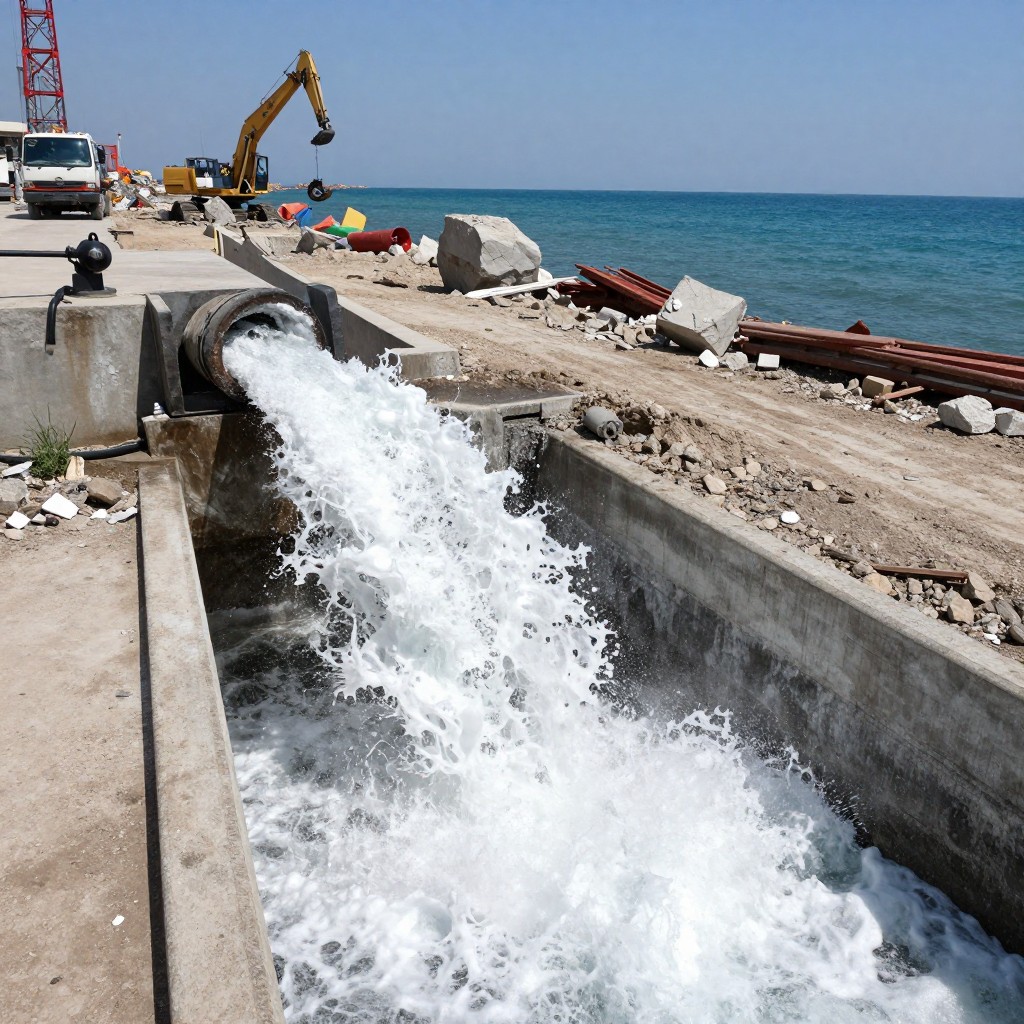
A metro construction company has been fined 1.678 million Turkish lira after foam appeared in a channel flowing into the sea at Sekapark in İzmit, Kocaeli. Authorities traced the pollution to chemicals used at the company’s construction site, which entered the drainage system after heavy rain.
The incident was observed on September 28, when rain was followed by foam in both the channel connecting Sekapark to the sea and the surrounding coastal waters. Teams from the Kocaeli Provincial Directorate of the Ministry of Environment, Urbanization and Climate Change, together with Kocaeli Metropolitan Municipality, inspected the area to identify the source.
Investigators determined that a chemical used during excavation work had been stored in barrels at the metro construction site. Rainwater caused the material to foam and carry it through roadside drains into the channel, which then discharged into the Marmara Sea.
Because the pollution occurred within the Marmara Special Environmental Protection Area, the company faced a doubled administrative penalty. The total fine was set at 1.678 million lira. Authorities also filed a criminal complaint against those considered responsible.
The route taken by the chemical highlights how pollution at a construction site can spread beyond the work area. Drainage grates and channels may quickly carry runoff to rivers, coastlines and the sea, particularly during intense rainfall.
Proper chemical storage is therefore essential at excavation and infrastructure projects. Containers need to be secured against leaks and weather exposure, while hazardous materials should be kept away from drainage points. Sites also need clear procedures for handling spills and preventing contaminated water from leaving the premises.
The incident further illustrates the importance of preparing construction sites for heavy rain. Protective barriers, covered storage and regular checks of drainage systems can reduce the risk of chemicals being washed into nearby waterways. These measures are especially important in environmentally protected areas, where pollution may have wider consequences for marine habitats.
A visible layer of foam can signal that an unusual substance has entered the water, but appearance alone does not establish its composition or the extent of its effects. Determining the source requires inspections and, where necessary, sampling and further analysis. In this case, the authorities’ field investigation linked the foam to material kept at the metro worksite.
The penalty and criminal complaint address both the environmental breach and potential responsibility for it. The case also underlines the need for construction companies to monitor chemical use and storage throughout a project-not only within the site boundary, but with attention to how rainwater and drainage could carry pollutants beyond it.