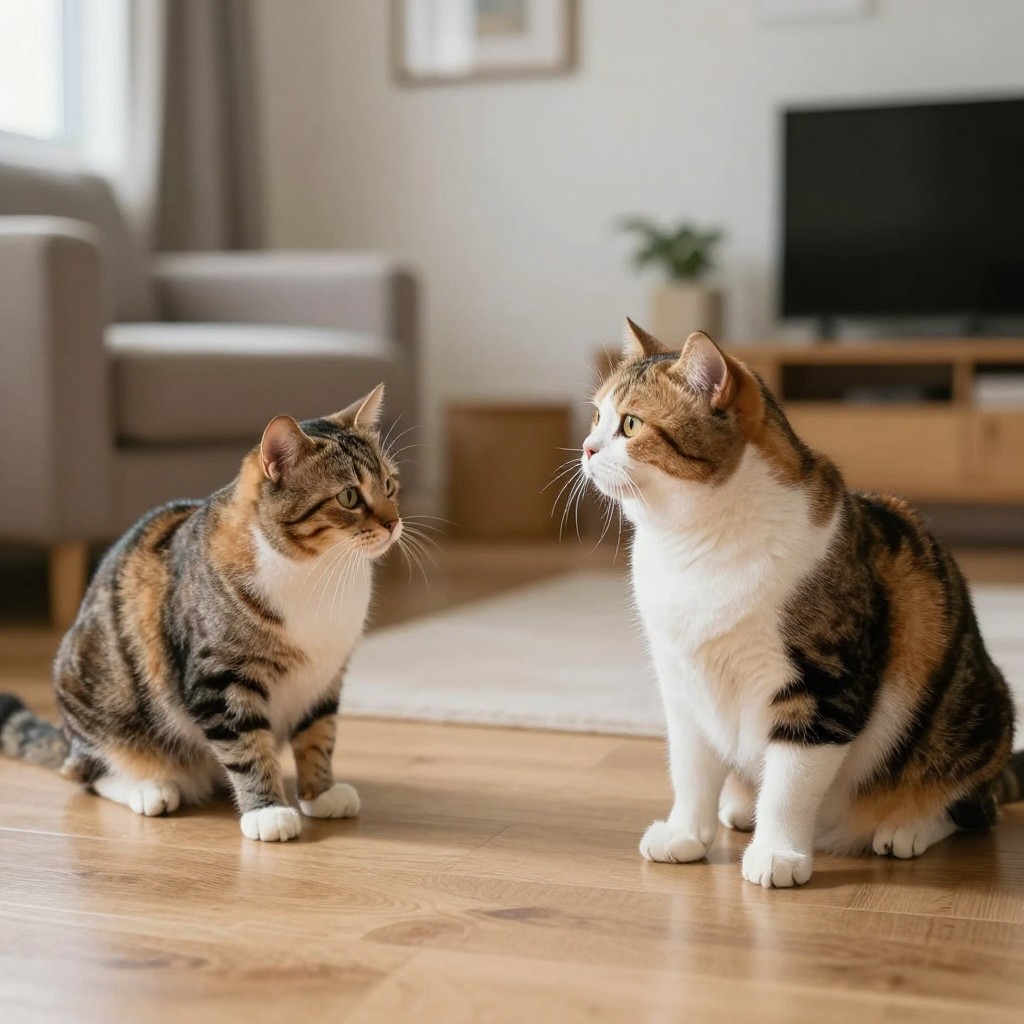
Back to School Also Changes the Daily Routine of Cats and Dogs
When summer ends and schools reopen, family life becomes more structured again. Parents and children begin leaving home earlier, working hours resume, and the amount of time spent indoors decreases. Although these changes are usually planned around people, they also affect cats and dogs living in the household.
During the summer, pets may become accustomed to having their owners at home for longer periods, playing more frequently, receiving meals at different hours or going for walks according to a flexible schedule. Once the school year begins, the home may suddenly become quieter and daily interactions may decline. This transition can create an adjustment period for animals, particularly those that are highly dependent on routine.
Feeding Times Should Remain Consistent
Food is not merely a way to meet nutritional needs. For many cats and dogs, feeding is one of the most predictable events of the day. Maintaining regular mealtimes can therefore help them feel secure when other parts of their environment change.
Cats, in particular, may be sensitive to alterations in their schedule. Whenever possible, meals should be offered at approximately the same times each day. If the household timetable must change, the transition should be introduced gradually rather than switching abruptly from a summer routine to a school-year schedule.
Portion control is equally important. Owners sometimes leave extra food in the bowl because they expect their pets to spend more time alone. However, a longer period without supervision does not necessarily mean that an animal needs additional calories. If activity decreases while food intake rises, excess weight can develop over time.
The appropriate daily amount should be determined according to the animal’s age, weight, health status, lifestyle and level of physical activity. Treats should also be included in the daily calorie calculation. Free access to food may be unsuitable for pets that eat quickly or have difficulty controlling their appetite.
Reduced Activity Requires Careful Observation
The return to school and work can reduce the amount of exercise a dog receives. Walks may become shorter, play sessions may be postponed and the animal may spend more hours resting at home. Cats can also be affected if interactive play becomes less frequent.
A reduction in movement should not automatically be compensated for with more food. Instead, owners should monitor changes in body condition, energy levels and behavior. A healthy routine may include a morning walk, an evening activity session and short periods of play during the day.
For dogs, predictable walking times can make the new schedule easier to understand. Even when long outings are not possible, regular short walks provide physical exercise, opportunities to explore and mental stimulation. Sniffing during a walk is especially valuable because it allows dogs to process their surroundings and use their natural investigative abilities.
Cats may benefit from several brief play sessions rather than one long session. Wand toys, chase games, climbing areas and safe interactive objects can encourage movement inside the home. Play should imitate natural behaviors such as stalking, chasing and catching, while always being conducted with safe equipment.
Mental Stimulation Helps Pets Stay Occupied
When family members are away for longer periods, mental enrichment becomes more important. A portion of the animal’s daily food can be offered through puzzle feeders, treat balls or simple search games. This approach slows eating and gives pets an activity to focus on.
Food should be hidden only in safe and easily accessible places. Owners should avoid objects that can be swallowed or toys that may break into small pieces. New enrichment tools should initially be used under supervision to ensure that the animal interacts with them safely.
Rotating toys can also prevent boredom. Instead of leaving every toy available at once, several items can be stored and reintroduced at different times. This can make familiar objects more interesting without requiring constant purchases.
Preparing Before the First School Day
A sudden schedule change can be stressful, so preparation should begin several days in advance. Feeding, walking, play and rest times can be moved gradually toward the timetable that will be followed once school starts.
If the family usually leaves home at eight o’clock, short practice departures can be introduced beforehand. The duration can then be increased step by step. Calm departures and arrivals are generally preferable to dramatic goodbyes, which may intensify anxiety in some animals.
The home environment should also be arranged so that pets have access to water, a comfortable resting place and safe areas where they can retreat. Cats may prefer elevated spaces, while dogs may feel more secure with a familiar bed or quiet corner.
Signs That Should Not Be Ignored
Some animals adapt quickly, while others show signs of stress. Temporary changes in behavior may occur during the transition, but persistent or severe symptoms require attention.
Warning signs may include refusing food, excessive licking, hiding, destructive behavior, vocalization, restlessness, house-soiling or changes in toilet habits. In dogs, separation-related problems may appear as barking, pacing or damage to doors and furniture. In cats, stress can sometimes contribute to inappropriate urination or prolonged withdrawal.
If these symptoms continue, worsen or occur together with vomiting, diarrhea, lethargy, pain or significant weight loss, a veterinary examination is necessary. Behavioral changes may be linked not only to stress but also to an underlying health problem.
Veterinarian Murat Altunyuva emphasizes that the transition should be considered as a whole: “When schools reopen, the daily rhythm of everyone in the household changes, including cats and dogs. The sudden reduction in human interaction, changes in activity and different feeding times may represent a new adaptation period for them.”
To support a healthier transition, owners should keep meal times as stable as possible, calculate portions carefully and monitor any changes in daily activity. A part of the food ration can be used in search games or feeding toys to provide mental stimulation. Changes should be introduced gradually, and unusual symptoms should not be overlooked.
The return to school does not have to be stressful for pets. With a predictable schedule, appropriate nutrition, regular exercise and sufficient attention, cats and dogs can adapt to the new household rhythm more comfortably. Their needs should be included in the family’s back-to-school planning, because they are also directly affected when the pace of life changes.