Dilek Kalkan’s 12-Year-Old Case Reopened: DNA and Phone Records Led Investigators to Suspects
A long-unsolved case in Diyarbakır has taken a significant turn after forensic experts identified human remains discovered more than a decade ago as belonging to Dilek Kalkan. Following a renewed investigation, seven people were detained in connection with her death. Two suspects, Cuma Kaplan and Muhyettin Baranlı, were arrested, while five others were released under judicial control.
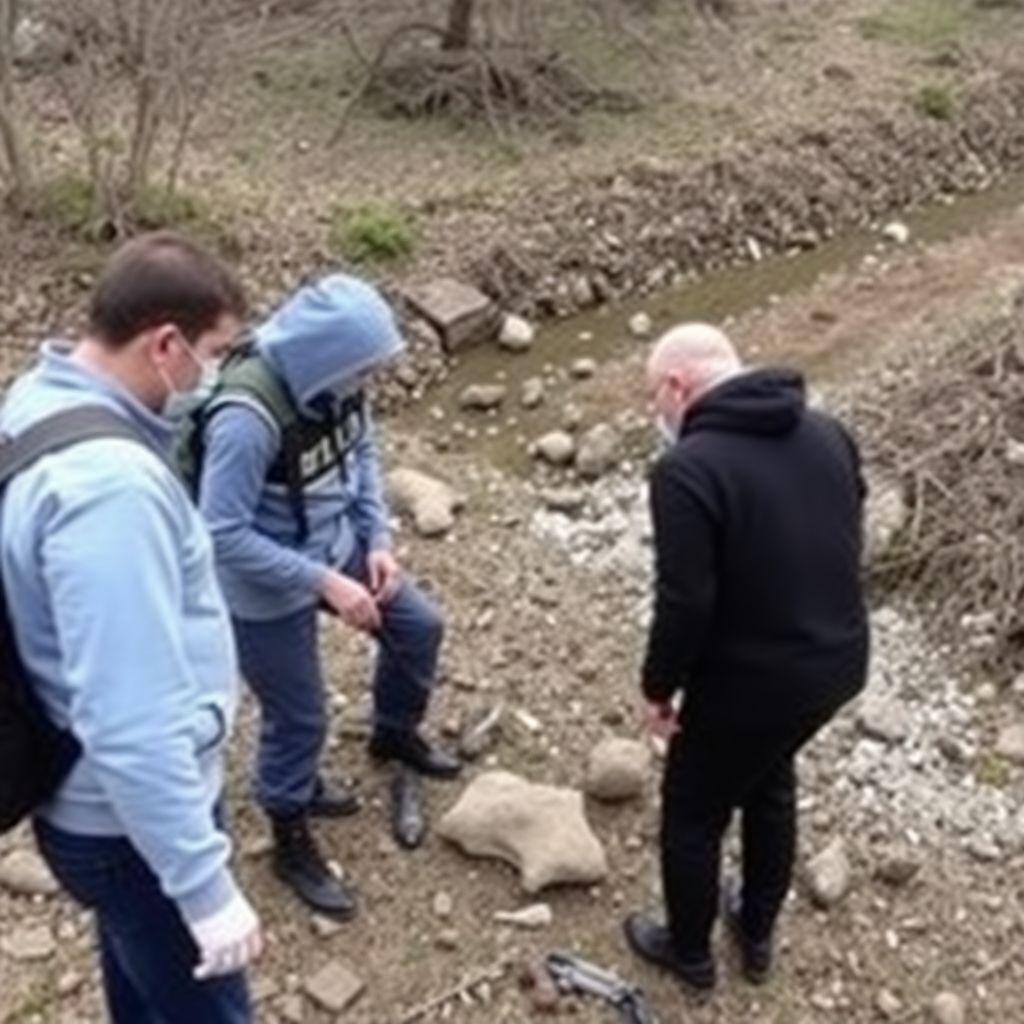
The remains were found on July 29, 2014, in the streambed and surrounding area of the Pamukçayı location in Tatlıçayır neighborhood, within the Bismil district. As the water level receded, local residents discovered a human skull, several bone fragments, clothing and other personal belongings.
Initial forensic examinations conducted at the Istanbul Forensic Medicine Institute established that the skeleton belonged to a woman believed to have been between 17 and 23 years old. However, investigators could not determine her identity or identify those responsible for her death. As a result, a permanent search decision was issued on February 13, 2015, and the file remained unresolved for years.
The investigation was later reopened after the establishment of a specialized unit within the Ministry of Justice’s General Directorate of Criminal Affairs, tasked with reviewing unidentified and unsolved crimes. Investigators examined records of 144 women aged between 19 and 23 who had been reported missing in Diyarbakır and neighboring provinces.
During this review, officials found that Dilek Kalkan, the daughter of Şağı and Naif Kalkan, had disappeared in May 2013. The clothing found near the remains was similar to what Dilek had been wearing when she vanished. This discovery prompted a new DNA comparison.
Testing confirmed that the bones belonged to Dilek Kalkan. The genetic profile also showed a 99.99 percent match with her mother, Şağı Kalkan. The result finally established the identity of the woman whose remains had remained unidentified since 2014.
Investigators then examined two mobile phone lines believed to have been used by Kalkan. Analysis of the call-detail records showed frequent communication between Dilek and several individuals, including Cuma Kaplan, Muhyettin Baranlı, S.K., E.K. and H.A.
Witness statements and information gathered during the inquiry suggested that Kalkan and Cuma Kaplan had been involved in a romantic relationship. Investigators also learned that Kalkan may have become pregnant by Kaplan. Medical records showed that she had been diagnosed as pregnant on May 21, 2013, shortly before her disappearance.
Further analysis focused on the locations where the suspects’ mobile phones had connected to nearby base stations. Expert examinations found that some of the phones had transmitted signals from the area where Dilek’s remains were later discovered, or from locations close to it, on different dates.
Authorities evaluated the HTS records, forensic reports, hospital documents, witness testimony, DNA findings and other evidence together. Based on the resulting suspicion that the individuals could have been connected to Kalkan’s death, seven suspects were identified: Cuma Kaplan, Muhyettin Baranlı, S.K., E.K., H.K., H.A. and F.B.
On September 11, Diyarbakır JASAT teams carried out an operation on instructions from the Bismil Chief Public Prosecutor’s Office. All seven suspects were taken into custody as part of the investigation into the alleged intentional killing of a woman.
After questioning, Cuma Kaplan and Muhyettin Baranlı were referred to court with a request for arrest. Prosecutors cited the strength of the evidence, witness statements, phone-record analysis and the existence of strong criminal suspicion. The court ordered both suspects to be detained.
The remaining five suspects were released under judicial control. This measure may require them to report regularly to authorities, comply with travel restrictions or follow other conditions imposed by the court while the investigation continues.
The identification of Dilek Kalkan was made possible by combining several types of evidence rather than relying on a single finding. DNA analysis provided the decisive confirmation of her identity, while medical records helped clarify important details about the period before her disappearance.
Phone data also played a central role. Although a mobile signal alone does not prove that a person committed a crime, repeated communication patterns and location data can help investigators reconstruct relationships, movements and possible links between suspects and the crime scene.
The case also demonstrates how unsolved investigations can be revived when forensic technology improves and old records are reviewed systematically. A file that had remained inactive for years was reconsidered through missing-person databases, genetic comparisons and digital evidence.
Authorities are expected to continue examining the roles of all seven suspects. The court proceedings will determine whether the existing evidence is sufficient to establish responsibility for Dilek Kalkan’s death. Further witness statements, additional forensic assessments and new digital analyses may also be included in the case file.
For Kalkan’s family, the DNA identification brought long-awaited clarity about what happened to her, although the full circumstances of her death remain subject to judicial examination. The arrests mark an important development, but final responsibility will be established only after the completion of the legal process.